

Facing mistakes during exam preparation can be discouraging, yet they offer significant opportunities for growth. Transforming these mistakes into learning moments can boost your understanding and performance.
Understanding the Concept of a Mistake Notebook

A mistake notebook is a dedicated space where you record all your errors and misunderstandings encountered during study sessions. This tool can help you analyze your weaknesses and patterns in thinking or execution. Recording mistakes allows for a systematic review, ensuring you don’t repeat the same errors and steadily improve your exam strategies.
Keeping a mistake notebook can increase your awareness of recurrent issues, whether they’re related to specific subjects or exam techniques. By regularly updating this notebook, you’ll develop a customized study guide tailored to your areas of improvement. It’s a proactive approach that transforms errors from moments of failure into constructive learning experiences.
Benefits of Embracing Mistakes
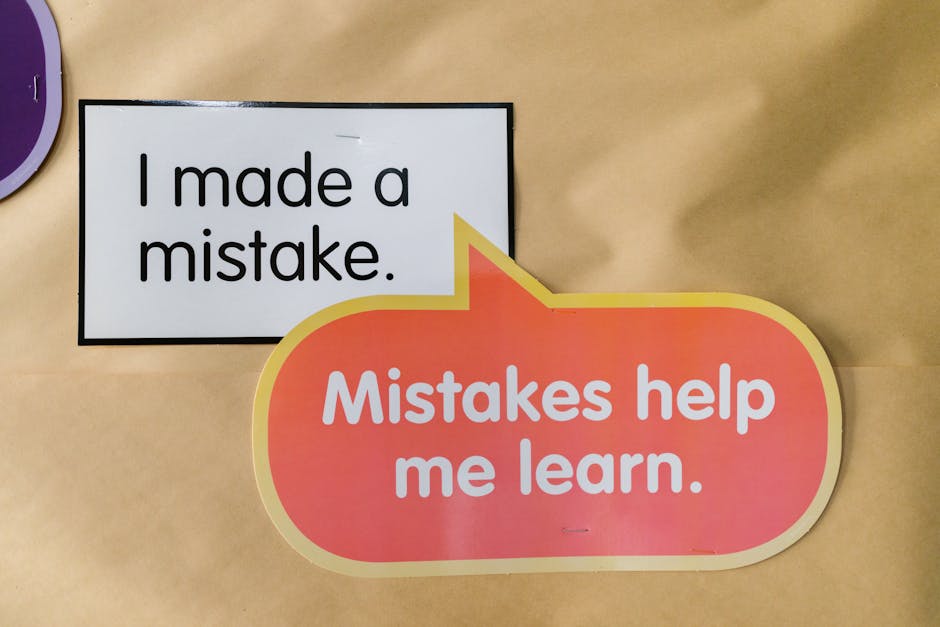
Embracing mistakes using a mistake notebook enhances self-awareness and resilience, key traits for academic success. Understanding where you went wrong enables you to tackle similar problems more effectively in the future. This process also builds confidence, as it provides a clear record of progress and dedication to improvement.
Students often fear mistakes, leading to anxiety and evasion. However, by confronting errors head-on and interpreting them as valuable feedback rather than setbacks, students can alleviate stress. This positive reinforcement cycle can reduce exam-related anxiety and foster a more constructive mindset.
Strategies for Effective Use

To make the most out of your mistake notebook, consistency is crucial. Review your notes regularly, ideally once a week, to ensure the lessons learned remain fresh. Prioritize not just understanding the correct answer, but also comprehending why your original approach was incorrect. This deeper analysis will solidify your grasp of the material.
Another effective strategy is to categorize your mistakes, whether by subject, topic, or type of error (e.g., conceptual misunderstanding versus careless error). This helps in organizing your study sessions more efficiently, allowing for focused practice on specific weaknesses.
Adapting the Approach to Diverse Subjects

The mistake notebook approach can be adapted to suit different subjects and learning styles. For quantitative subjects, detailing the calculation errors and the correct step-by-step process is essential. In contrast, for theoretical subjects, focus on annotating misunderstandings in concepts and theories.
Consider collaborating with classmates by sharing insights and techniques captured in your mistake notebooks. This collaboration can provide additional perspectives, enhancing the learning process and uncovering new solutions or explanations you might not have considered alone.
By transforming your perspective on mistakes during exam preparation, you can cultivate a mindset geared towards continual improvement and lifelong learning.