In a surprising twist, the Slovak passport has surpassed the Czech passport in the latest global rankings, influencing travel freedom and international perception. Understanding the factors behind this shift and the implications for citizens and travelers is crucial.
Understanding Passport Rankings
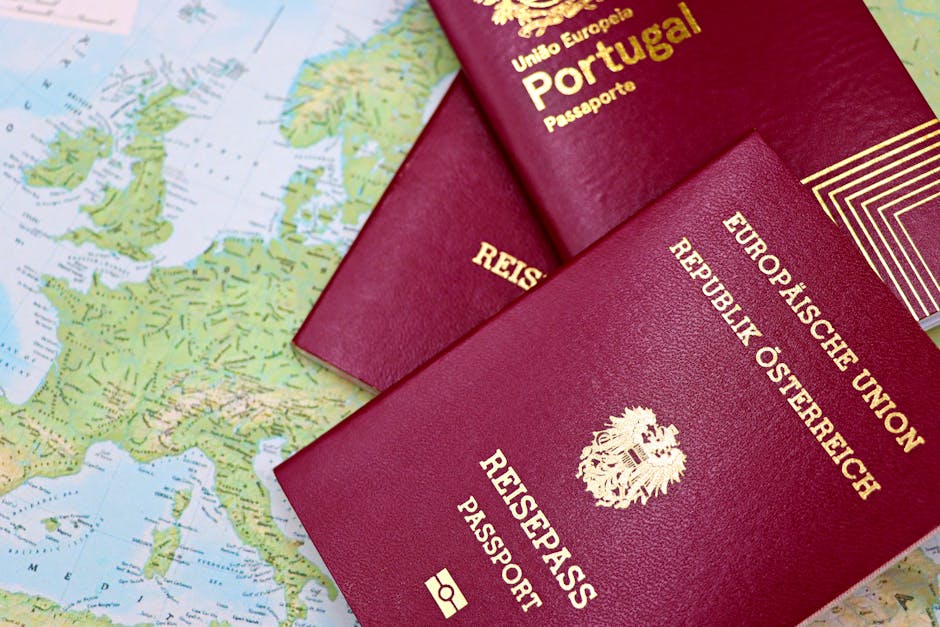
Passport rankings are determined by an individual’s ability to enter countries without obtaining a visa beforehand. This freedom reflects a country’s diplomatic relationships, reciprocal agreements, and global standing. The surge of the Slovak passport in these rankings highlights Slovakia’s increasing international influence and strategic diplomatic efforts. Such changes often stem from improved bilateral agreements and active participation in international forums.
The Passport Index, one of the most recognized ranking platforms, plays a pivotal role in these assessments. It considers the number of destinations passport holders can visit visa-free or with visa-on-arrival. For Slovakia, enhancements in these areas have played a part in their passport’s ascendancy.
Comparing Slovak and Czech Travel Access

The Slovak passport now offers broader travel access compared to its Czech counterpart. This shift can be partly attributed to recent international agreements and Slovakia’s proactive approach to enhancing its global relationships. While Czechia also maintains a strong international presence, the recent rankings suggest Slovakia has made strategic headway.
Both countries benefit from being members of the European Union, allowing access to a wide range of countries without the need for a visa. However, Slovakia has recently signed several bilateral agreements that further extend its citizens’ travel freedom, contributing to its rise in the passport rankings.
Economic and Diplomatic Implications

The rising power of the Slovak passport has noteworthy economic and diplomatic implications. It could potentially enhance tourism, as greater travel freedom encourages more reciprocal visits between countries. Furthermore, improved global accessibility may attract international businesses and investors, boosting economic growth and development.
Diplomatically, Slovakia’s rise in the passport rankings signifies strengthened cooperation and trust with other nations. This could lead to enhanced collaborations in various fields, including trade, education, and culture, fostering a more interconnected global presence.
The Impact on Citizens and Travelers

For Slovak citizens, a higher-ranked passport means convenient and flexible travel opportunities. This enhancement in mobility can lead to greater personal and professional opportunities abroad, contributing to a more dynamic and well-connected populace.
On the other hand, Czech citizens might view this as a call to revisit and potentially renegotiate international agreements to enhance their own travel freedoms. The friendly rivalry between the two nations in this regard can lead to a healthy competition that ultimately benefits their citizens.
The recent change in passport rankings sheds light on the evolving dynamics of international relations and travel freedom. For both Slovakia and Czechia, this development illustrates the continual shifts in global standing and the importance of strategic diplomacy.