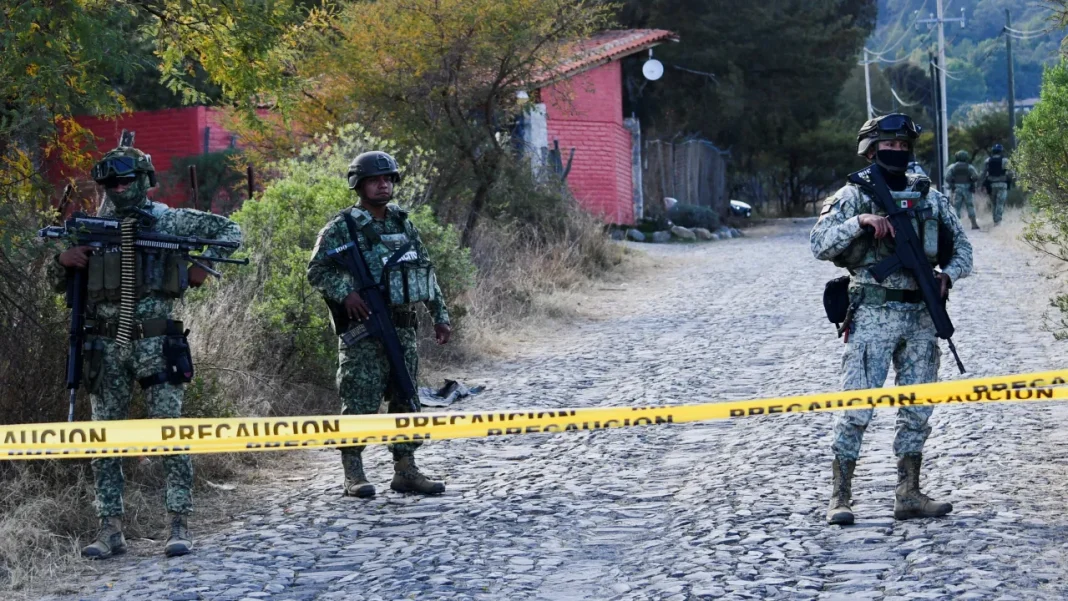

The Mexican authorities are taking significant steps to restore order in popular tourist areas, responding to recent concerns over safety and crime. The government is committed to ensuring these regions remain attractive and secure destinations for international visitors.
Increased Security Measures

The Mexican government has intensified its efforts to enhance security in key tourist areas, including famous destinations like Cancún, Cabo San Lucas, and Tulum. As part of this initiative, authorities have increased patrols and coordinated closely with local police forces to establish a stronger law enforcement presence. The goal is to provide a safe environment that reassures tourists while addressing any potential criminal activities swiftly and effectively.
To bolster these efforts, special tourism policing units have been deployed. These units are trained to handle situations specific to high-density tourist areas, ensuring rapid response and professional handling of any incidents. This strategic move is aimed at restoring confidence among travelers and local businesses alike.
Collaboration with the Tourism Industry

The Mexican government is not acting alone in this mission to secure tourist areas. The authorities are actively working with the tourism industry to implement comprehensive safety measures. Hotels, tour operators, and local business owners are collaborating with state authorities to provide guests with useful information about safety practices. This partnership aims to foster an environment where tourists can feel secure and informed during their visits.
Educational campaigns are also being launched to raise awareness among tourists about safety precautions they can take. These initiatives are designed to make travelers feel more at ease while enjoying Mexico’s rich cultural and natural offerings.
Technological Advancements in Security
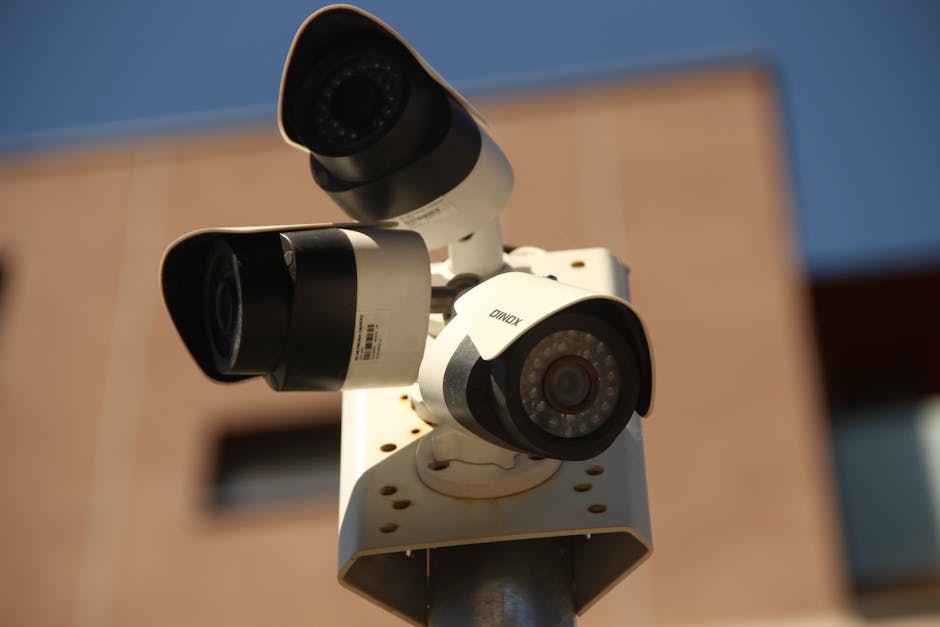
Technological advancements play a crucial role in the upgrading of security measures. The implementation of surveillance systems in strategic locations aids in monitoring potential threats. Deploying technology such as facial recognition and real-time alerts can help authorities respond more efficiently to incidents and prevent crimes before they occur.
These innovations are being complemented by community-based apps that allow tourists and locals to report suspicious activities quickly. Such tools are part of a broader digital strategy to engage the community in security efforts, promoting a shared responsibility for maintaining safety.
Impact on the Local Economy

Ensuring safety in tourist hotspots is not just about crime prevention; it’s a critical factor in sustaining the local economy. Regions such as the Yucatán Peninsula heavily rely on tourism, and restoring order is imperative for the livelihoods of many who depend on the industry. With safer environments, these areas can expect to see a resurgence in visitor numbers, contributing positively to economic growth.
The businesses in these regions have welcomed the government’s initiatives, recognizing them as essential for long-term success and sustainability. As safety perceptions improve, there is optimism about the potential for increased tourism revenues and job creation.
Overall, the concerted efforts by Mexican authorities to address safety issues in tourist areas are bearing fruit, enhancing national and international visitors’ experiences. This proactive approach is crucial to maintaining Mexico’s position as one of the world’s top tourism destinations.
Source: Official Mexican Tourism Board website.