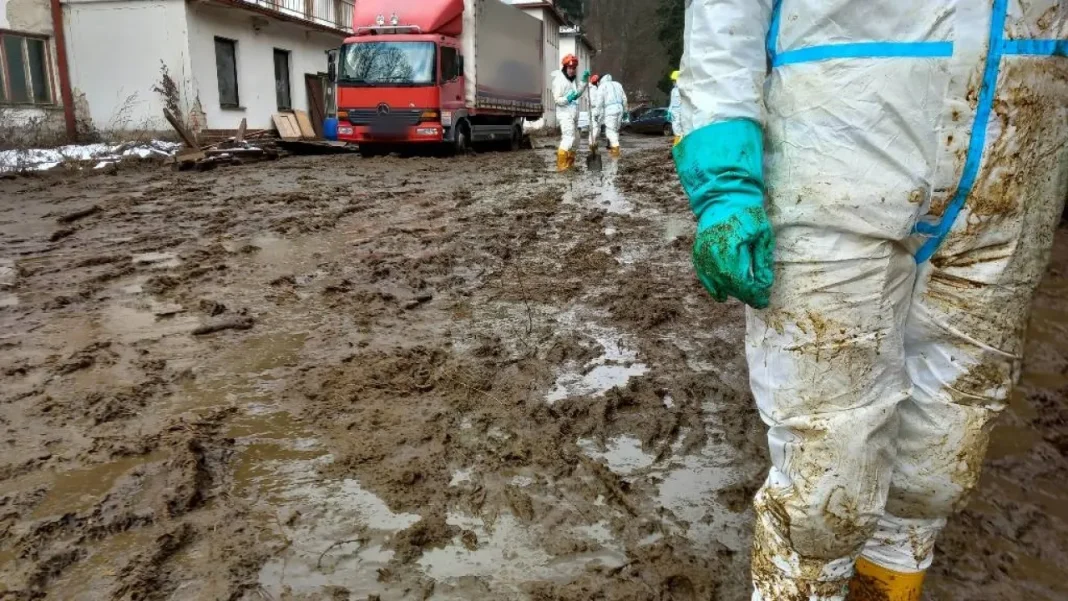

Recent reports indicate that the water quality in the Znojmo Reservoir has returned to normal following a slurry spill that raised concerns among local residents and authorities. The incident, which led to temporary pollution, has been effectively managed, restoring the reservoir’s ecosystem.
The Slurry Spill Impact
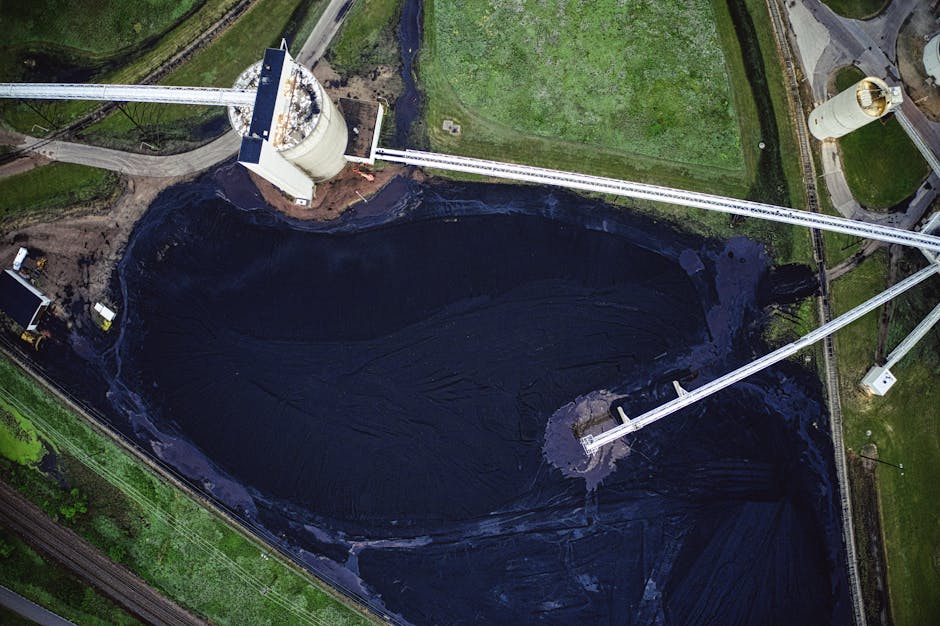
The slurry spill in the Znojmo Reservoir was a significant environmental event, drawing attention to the region’s water management practices. The spill originated from malfunctioning agricultural equipment, leading to contaminants entering the water body. Immediate actions were taken to prevent further damage, and authorities were swift in their response to minimize the spill’s impact.
Environmental experts were brought in to assess the situation and initiate clean-up operations. The initial concerns focused on potential harm to aquatic life and the reservoir’s usability for recreational activities. Testing was conducted extensively to determine the extent of pollution and its effect on the water quality.
Residents and local organizations were promptly informed, and precautionary measures were advised. The public was encouraged to avoid the area until the water returned to safe levels, ensuring community safety.
Restoration and Recovery

Efforts to restore the Znojmo Reservoir were thorough and involved various environmental agencies. Rapid interventions, including the introduction of aeration equipment and the use of absorbent materials, were implemented to hasten the clean-up process. Environmental engineers monitored the site closely to ensure the recovery of the aquatic ecosystem.
The restoration process was supplemented by continuous monitoring of water quality. Regular testing showed a progressive return to normalcy, reassuring local officials and stakeholders that corrective measures were effective. Throughout this process, transparency was prioritized, with updates provided to the community to maintain public confidence.
Restoration efforts also highlighted the collaborative spirit of various agencies, local authorities, and community volunteers, whose coordinated actions ensured a timely resolution of the crisis.
Preventive Measures for Future Incidents

In response to the slurry spill, local authorities in Znojmo are taking proactive steps to prevent future incidents. A review of agricultural practices and equipment maintenance protocols has been initiated, focusing on establishing stricter regulations and routine inspections to safeguard the reservoir’s water quality.
Educational campaigns have been launched to raise awareness among farmers and landowners about the importance of proper waste management and equipment upkeep. These efforts aim to nurture a sustainable agricultural environment that aligns with regional ecological standards.
The incident has also prompted discussions on investing in advanced monitoring systems that can provide early warnings of potential pollutants, enhancing the community’s ability to respond quickly to similar events.
Community Engagement and Future Outlook

The recovery from the slurry spill underscores the importance of community involvement in environmental preservation. Local forums and meetings have been organized, providing residents with a platform to discuss concerns and suggestions about preventing environmental hazards.
Community feedback is being used to shape future policies and initiatives, ensuring that the lessons learned from this incident are incorporated into stronger environmental strategies. The shared goal is to maintain Znojmo’s reservoirs and natural resources as pristine environments for both recreational and practical uses.
Looking ahead, the experience has fostered a renewed commitment to ecological responsibility, emphasizing the need for ongoing vigilance and community engagement to protect Znojmo’s natural assets.
With the return to normal water quality, the Znojmo Reservoir is once again a safe haven for aquatic life and a valuable resource for the local community. Continued efforts in monitoring and preventive strategies will ensure its protection against future threats.