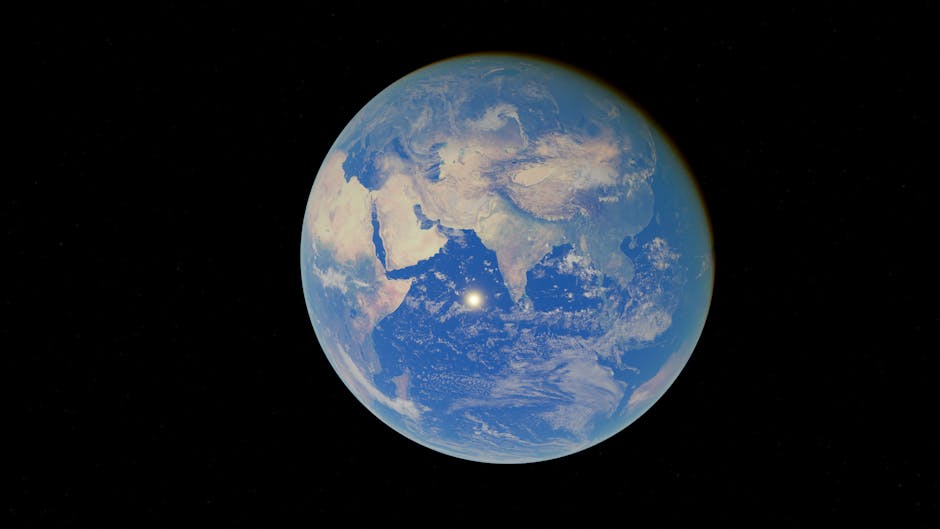

Across the vastness of space, the beauty of Earth is captured in stunning clarity by modern technology, offering us breathtaking views of our planet. These incredible images not only serve as a reminder of Earth’s fragility but also inspire a deeper appreciation for our celestial home.
Visualizing Earth from Above

The endeavor to photograph Earth from space began decades ago, but advancements in technology have allowed for unprecedented detail and color in these images. Satellites equipped with high-resolution cameras orbit the planet, capturing images that display intricate landscapes, swirling cloud formations, and expansive ice fields. These photos not only depict natural beauty but also provide critical data for studying environmental changes.
One of the most iconic images is the “Blue Marble,” taken by the Apollo 17 crew in 1972. This full view of Earth from space became a symbol of global connectivity and ecological awareness. Today, similar images are taken frequently, providing continual insight into the planet’s dynamic nature.
Technological Advances in Space Photography

The development of imaging technology has significantly enhanced the quality of photos taken from space. Instruments like the Hubble Space Telescope and various Earth-observing satellites have pushed the boundaries of what we can see and understand about our planet. Satellite imagery is used in a wide array of fields, from meteorology to agriculture, showcasing the versatility and importance of these technological marvels.
One notable example is the Landsat program, which has been capturing images of Earth since the 1970s. The data from Landsat satellites help track urban growth, deforestation, and changes in land use, providing essential information for scientists, policymakers, and conservationists.
The Role of Space Agencies

Organizations such as NASA and the European Space Agency play a pivotal role in capturing and distributing these stunning images. Their missions involve deploying sophisticated satellites and collaborating with international partners to gather comprehensive data about Earth’s systems. These agencies ensure that the information gathered is accessible to researchers and educators, supporting global efforts in environmental protection and scientific exploration.
Furthermore, space agencies conduct outreach initiatives to engage the public with these images, fostering a greater appreciation of space exploration and its benefits to humanity. Their educational programs often include exhibitions and online resources that allow individuals to explore Earth from a new perspective.
The Impact on Public Awareness

The dissemination of space images has a profound effect on public awareness regarding environmental issues. Images of melting glaciers, deforestation, and urban expansion serve as powerful tools for illustrating the impact of human activities on the planet. This visual evidence supports campaigns aimed at promoting sustainable practices and policies.
In addition to highlighting environmental concerns, these images have a unifying effect. They remind us of the interconnectedness of all life on Earth and the shared responsibility to protect our planet. As these images continue to capture public imagination, they play an essential role in inspiring future generations to take action.
The ability to see Earth from the perspective of space captures the imagination and deepens our appreciation of the world we inhabit. Through technological advancements and the dedication of space agencies, these images continue to educate and inspire, reminding us of our shared responsibility to care for our home planet.