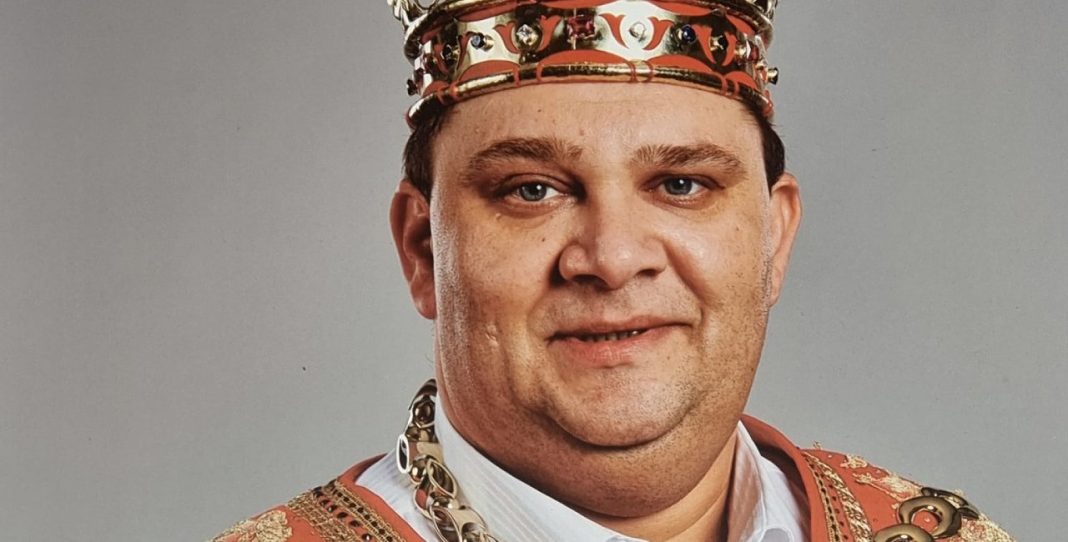

Understanding the rich tapestry of Roma culture often begins with pivotal figures whose legacies illuminate the vibrant history and traditions of their communities. Slovakia’s ‘King’, a title given to Jozef Červeňák, stands as a central figure whose life and influence shine a light on the Roma culture and its interconnectedness with Slovakia’s social fabric.
The Legacy of Jozef Červeňák

Jozef Červeňák, affectionately known as the ‘King’ among his people, played a crucial role in not only preserving but also revitalizing Roma traditions. Born into a culture that values oral history and communal ties, Červeňák exemplified the quintessential Roma leader who used his influence to educate and inspire. His life’s journey underscores the resilience and adaptability of the Roma people, navigating social and political changes while upholding their unique heritage.
Červeňák’s efforts to foster understanding and acceptance were pivotal during a time when the Roma faced significant discrimination. His advocacy for education and integration, while maintaining cultural identity, provided a pathway forward for many Roma communities in Slovakia. Through music, storytelling, and leadership, Červeňák’s contributions continue to resonate, serving as a testament to the enduring spirit of the Roma.
Roma Cultural Practices and Traditions

Central to the Roma culture is its rich tapestry of traditions, many of which have been preserved through generations by figures like Červeňák. Music, a fundamental aspect of Roma culture, often intertwines with the stories of their ancestors, conveying both joy and struggle. Festivals and communal gatherings are common occurrences, where music and dance play a pivotal role in fostering community bonds.
The Roma cuisine, heavily influenced by the various regions they have inhabited, also speaks volumes of their adaptive nature. Traditional meals often comprise locally sourced ingredients, cooked in ways that reflect centuries-old practices. These traditions, cherished and upheld by leaders like Červeňák, form the backbone of Roma cultural identity.
Challenges and Misunderstandings

Despite their rich cultural heritage, the Roma have often faced challenges rooted in misunderstanding and prejudice. Stereotypes and societal barriers have frequently impeded their community’s progress. Leaders like Červeňák have worked tirelessly to dispel myths and build bridges between the Roma and broader societies, advocating for recognition and respect.
Educational programs and cultural exchanges have become crucial in fostering a deeper understanding of Roma customs and values. These efforts aim to break down barriers, offering insights into a way of life that is both distinct and interconnected with the broader cultural landscape of Slovakia.
The Path Forward for Roma Communities

Looking to the future, the legacy of leaders like Jozef Červeňák serves as both a foundation and inspiration for ongoing efforts toward empowerment and integration. There is a growing realization that preserving Roma culture while advocating for their rights and opportunities is paramount for true societal harmony.
Initiatives focusing on education, cultural preservation, and social integration continue to gain momentum, aiming to provide Roma communities with the tools and platforms necessary to thrive. The work of contemporary Roma leaders builds upon Červeňák’s legacy, striving for a future where diversity is celebrated and differences respected.
Understanding Roma culture through figures like Jozef Červeňák highlights the importance of celebrating and preserving the diverse traditions that contribute to the global cultural mosaic. His legacy continues to inspire a holistic view of Roma life and its integral role in Slovakia’s history and society.
Source: Official Slovakia’s Ministry of Culture website.