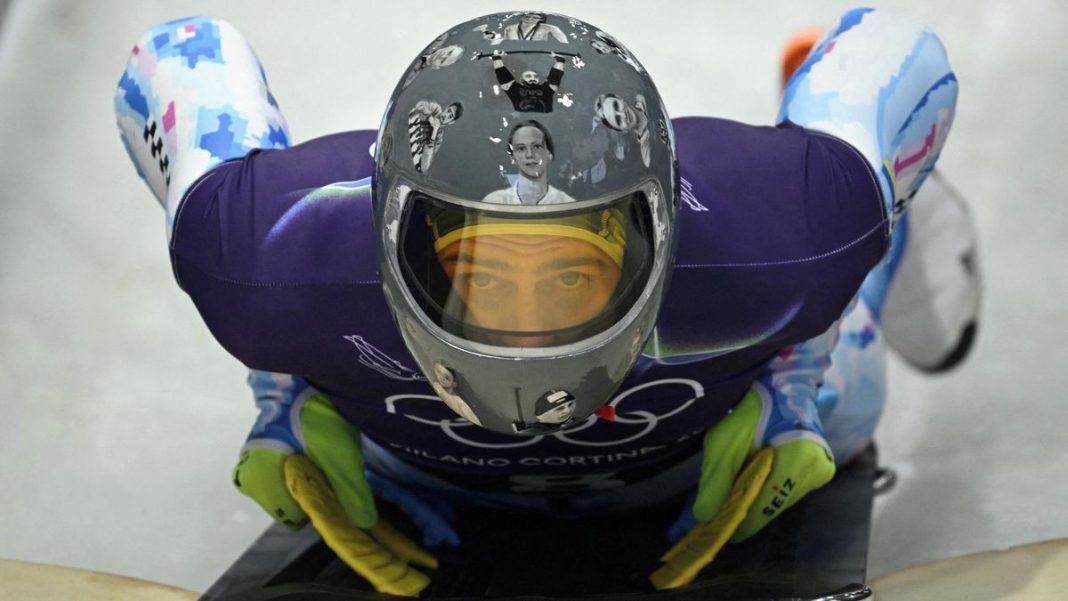

The disqualification of Ukrainian skeleton athlete Vladyslav Heraskevych has stirred emotions as his appeal to overturn the decision was denied. The incident has brought attention to the rigorous and sometimes controversial nature of competitive sports justice.
The Incident and Disqualification

The disqualification took place at a recent international competition where Heraskevych was competing at a high level. According to official reports, the decision was made following allegations of a rules infraction, which the athlete and his team vehemently contested. Despite their protestations, the governing body upheld the decision, citing evidence that was presented during the event.
Heraskevych, a prominent figure in the world of skeleton racing, expressed his disappointment through various media outlets. His disqualification impacts not only his personal career but also the standing of Ukrainian athletes on the global stage where they have been gaining recognition in recent years.
Response from the Ukrainian Team

The Ukrainian skeleton team has rallied in support of Heraskevych, highlighting what they believe to be inconsistencies in the enforcement of rules. Team officials released a statement acknowledging the importance of fair competition, but stressed that the decision was overly harsh and potentially influenced by external pressures.
This incident has prompted discussions within the sport’s community about the transparency of officiating and the appeals process. Comparisons to previous cases where athletes successfully overturned disqualifications have been scrutinized, particularly regarding the criteria applied to each case.
Impact on Future Competitions

Heraskevych’s disqualification could have lasting implications for future competitions, impacting his qualification for upcoming events. This development might influence how athletes approach the sport, knowing that scrutinized inspections could lead to severe penalties, even when they feel that no rules were broken.
The uncertainty surrounding appeals and the finality of such decisions could lead to changes in how athletes prepare for competitions, with a possible increase in strategic advisement from legal teams to navigate complex rules.
The Broader Context of Sports Justice

The denial of Heraskevych’s appeal sheds light on broader issues in sports justice, where athletes may feel powerless against governing bodies’ decisions. The lack of a successful appeal process highlights critical gaps that need to be addressed to ensure fairness and transparency in athletic competitions worldwide.
Such cases emphasize the need for clear communication and consistent rule enforcement, ensuring athletes are fully informed of potential infractions and potential consequences before and during competitions.
In conclusion, Vladyslav Heraskevych’s disqualification and subsequent denied appeal underscore the complexities of sports governance. It raises essential questions about fairness, rule enforcement, and the path forward for athletes facing similar circumstances in the future.
Source: Official International Bobsleigh & Skeleton Federation website.