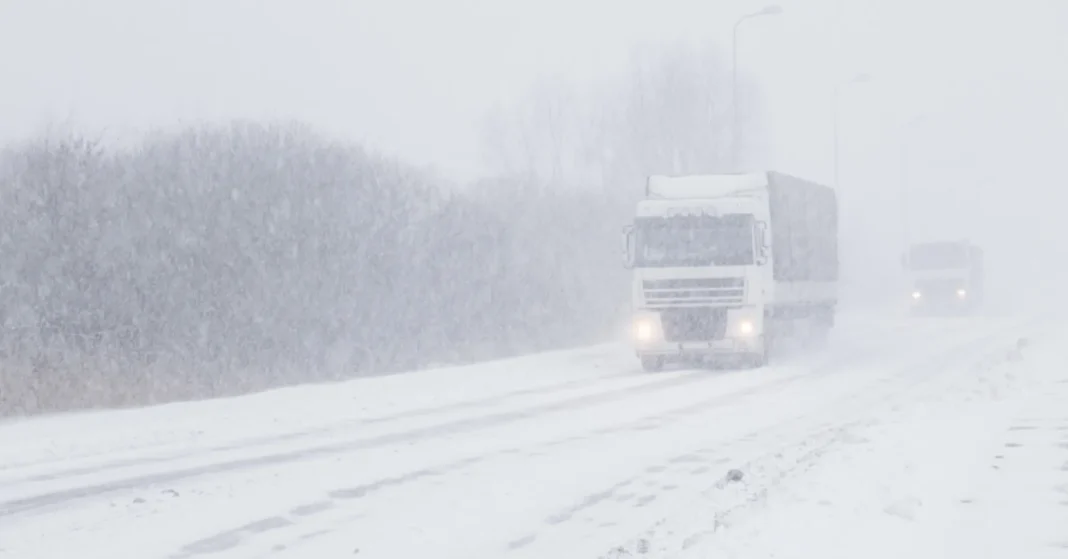

Traffic congestion on the D1 motorway has reached an unprecedented level of disruption, as reported by the Road and Motorway Directorate (RSD). In a surprising turn of events, eight out of ten gritters, responsible for road clearing and maintenance, found themselves trapped in the very traffic they were meant to alleviate.
Unexpected Consequences of Congestion
The D1 motorway, a crucial artery linking Prague to Brno, often experiences heavy traffic, but the current situation has raised significant concerns. The gritters’ inability to maneuver through the congested lanes highlights systemic issues in managing traffic flow during peak times. This has potential implications for road safety, as the absence of these vehicles can lead to untreated road surfaces during adverse weather conditions.
Experts suggest that the incident underscores the need for innovative traffic management solutions. Alternative routes, increased use of technology in traffic monitoring, and potential expansion of existing infrastructure are some of the strategies being discussed to prevent similar incidents in the future.
Impact on Daily Commuters

For daily commuters, the traffic jam not only means longer travel times but also increased stress levels. Many drivers found themselves stuck for hours, leading to widespread frustration. Public transport users reported delays as buses got caught in the backlog, impacting schedules and productivity.
The situation serves as a reminder of the fragile balance in urban transport systems. Increased demand on the roads requires strategic planning and robust infrastructure that can adapt to unexpected challenges, ensuring the seamless movement of both private and public vehicles.
Strategies for Improvement

In response to the congestion, authorities are evaluating several measures to enhance the efficiency of the D1 motorway. Improved traffic prediction algorithms and dynamic routing suggestions are among the technological solutions considered to alleviate bottlenecks.
Moreover, collaborative efforts between the RSD and local governments aim to introduce policies that encourage alternative commuting methods. The potential expansion of cycling paths and increased incentives for carpooling are gaining traction as viable ways to reduce road traffic.
Looking Ahead

While immediate relief measures are being prioritized, long-term infrastructure projects are also on the horizon. Discussions are ongoing about the feasibility of expanding lanes and developing new road segments to better distribute traffic flow.
The event has prompted a broader conversation about investments in transport infrastructure and the integration of smart systems to handle peak usage effectively. This proactive approach aims to prevent similar disruptions and improve the overall resilience of the city’s transport network.
In conclusion, the gritters’ entrapment on the D1 highlights significant challenges in current traffic management systems. Addressing these issues will require a multi-faceted approach, combining short-term interventions and long-term planning, to ensure that Prague’s roads can efficiently and safely accommodate their users.
Source: Official RSD website.