

Ladybugs are more than just charming beetles spotted in gardens worldwide; they play pivotal roles in agriculture and even serve as unexpected symbols in political spaces. Remarkably, their tiny presence has reached the corridors of power, like the Australian Parliament.
Ladybugs: Nature’s Pest Control

Ladybugs, or ladybirds as they are known in some parts of the world, are natural pest controllers. Predominantly known for their voracious appetites for aphids and other plant-eating insects, these beetles contribute significantly to sustainable agriculture. Farmers have long relied on them to protect crops without the need for harmful pesticides, highlighting their environmental and economic importance.
Their role is especially vital as the world seeks ecological farming practices to combat climate change and ensure food security. Ladybugs help maintain biodiversity by managing pest populations, which is crucial for preserving the balance of natural ecosystems and reducing the reliance on chemical fertilizers.
Cultural Significance in Politics

In an unexpected twist, ladybugs have found symbolic relevance in political arenas like the Australian Parliament. While it might seem far-fetched, these tiny creatures are often associated with good luck and protection, concepts that resonate deeply within political discourse. Their symbolism can be a metaphorical reminder of the need for diligent care, protection, and a balanced approach to governance.
Their presence in parliament is more symbolic than literal, exemplifying the connection between natural ecosystems and human-designed systems of governance. The role of ladybugs underscores the importance of environmental considerations in policy-making, encouraging legislators to prioritize ecological sustainability.
Ladybugs in Australian Biodiversity
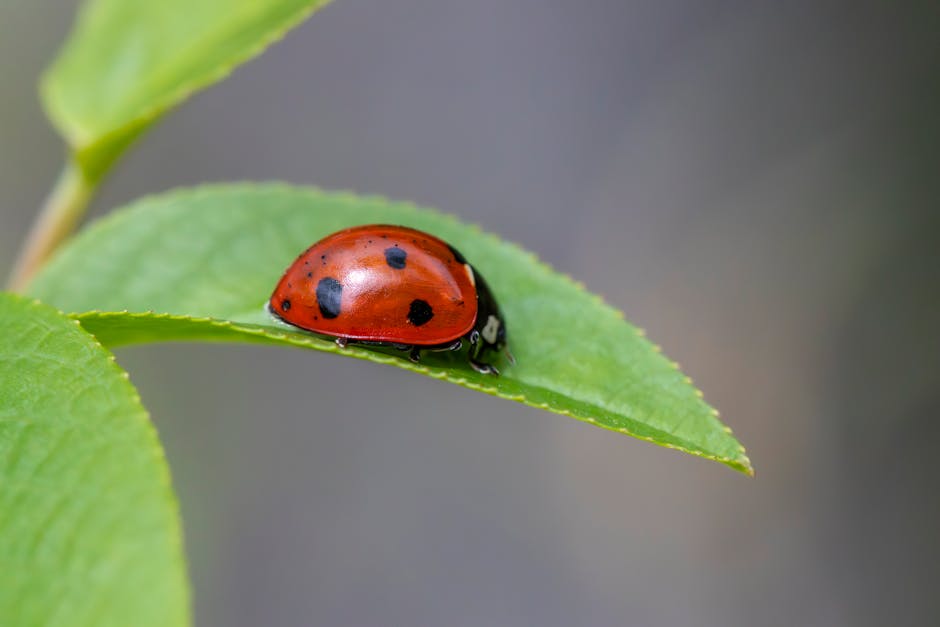
Australia, with its unique ecosystems, hosts several species of ladybugs, each contributing to the biodiversity and health of its natural habitats. These beetles are an integral part of the food chain, supporting birds, amphibians, and other insects. Their ability to thrive in diverse climates across Australia makes them valuable indicators of environmental health.
Efforts to conserve and protect ladybug habitats contribute to preserving Australia’s rich biodiversity. By ensuring these small creatures continue to flourish, Australians support the broader ecological networks critical to sustaining the natural beauty and agricultural productivity of the continent.
Global Implications and Future Considerations

The global importance of ladybugs extends beyond local agriculture and politics. As countries worldwide grapple with the challenge of feeding growing populations while combating climate change, ladybugs exemplify sustainable pest management solutions. Supporting these beetles can be part of a larger strategy to promote organic farming techniques and reduce pesticide use.
Moreover, the symbolic adoption of ladybugs in a political context emphasizes a global need for environmentally-oriented policies. By embedding ecological principles into governance, countries can ensure sustainable development and achieve long-term environmental goals.
In conclusion, ladybugs serve as more than just beneficial insects in gardens; they represent a crucial intersection between ecology and policy. Their contributions to agriculture, symbolism in politics, and role in biodiversity exemplify their indispensable role in fostering a sustainable future.
Source: Official Australian Parliament website.