
In the annals of Czech history, the tale of the “Living Torch” hero stands as both a poignant reminder and an inspiration. This figure, whose act of self-sacrifice became a catalyst for change, continues to resonate deeply with those who cherish freedom and governance that serves its people.
The Night That Changed History

The evening of January 16, 1969, marked a turning point in Czechoslovakian history. In the midst of a harsh winter, Jan Palach, a young university student, set himself ablaze in Wenceslas Square, Prague. His act was a protest against the Soviet-led invasion of Czechoslovakia in 1968. Palach’s intention was not merely to highlight the political oppression but to awaken his fellow citizens from a state of resignation. His sacrifice sought to reignite the fire of resistance in the hearts of the Czechoslovak people, who had largely succumbed to apathy following the Prague Spring’s suppression.
The shockwave from Palach’s immolation shook not only Prague but also drew international attention. His self-immolation served as a symbolic exclamation point in a period fraught with uncertainty and repression, galvanizing young and old alike to reassess their stance on the ongoing political occupation.
The Immediate Impact

In the days following Palach’s act, a series of student-led protests erupted throughout the country. Citizens from all walks of life gathered to mourn and march in solidarity, challenging the tightening grip of the Soviet regime. The authorities found themselves under increased pressure both domestically and internationally. Memorials dedicated to Palach sprang up spontaneously across major cities, serving as a physical manifestation of the national anguish and the call for political reform.
The days leading up to his funeral saw a collective outpouring of grief, mixed with newfound determination. Although the immediate political situation did not drastically change, the psychological impact on Czechoslovakia’s society was profound and enduring.
Lasting Influence on Czech Society

While Palach’s immediate objective—to ignite widespread uprisings leading to change—did not come to fruition in the short term, his legacy permeated through the fabric of Czech society. In subsequent years, his name became synonymous with courage and the relentless pursuit of freedom. Cultural and educational institutions began to foster discussions around Palach’s actions, embedding his legacy into the nation’s consciousness.
The ripples of Palach’s act extended far beyond national borders, emphasizing the universal struggle for self-determination and democratic governance. His sacrifice was a stark reminder that individual acts could indeed influence the course of history, inspiring numerous other acts of resistance around the globe.
Memorials and Remembrance

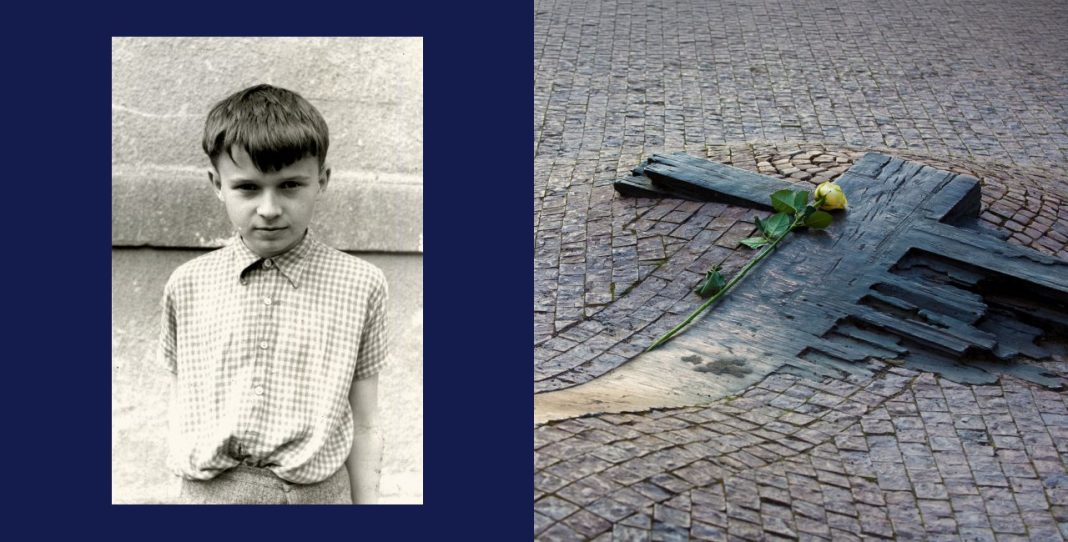
In contemporary Prague, Jan Palach’s memory is preserved through various memorials and annual commemorations. Wenceslas Square, where his protest took place, often serves as the focal point for these remembrances. Vigils and public events are held in his honor, ensuring that new generations continue to be reminded of the resilience and spirits that defined Palach’s selfless act.
The educational sector also plays a fundamental role in keeping his story alive. Schools and universities incorporate his contributions into their curricula, allowing students to engage with his legacy and understand the broader implications of individual sacrifice in the face of oppression.
Jan Palach’s story is more than just a historical footnote; it is a powerful testament to the impact of personal conviction and sacrifice. His life and actions continue to inspire those who fight for freedom and justice worldwide.
Source: Official Jan Palach Memorial website.