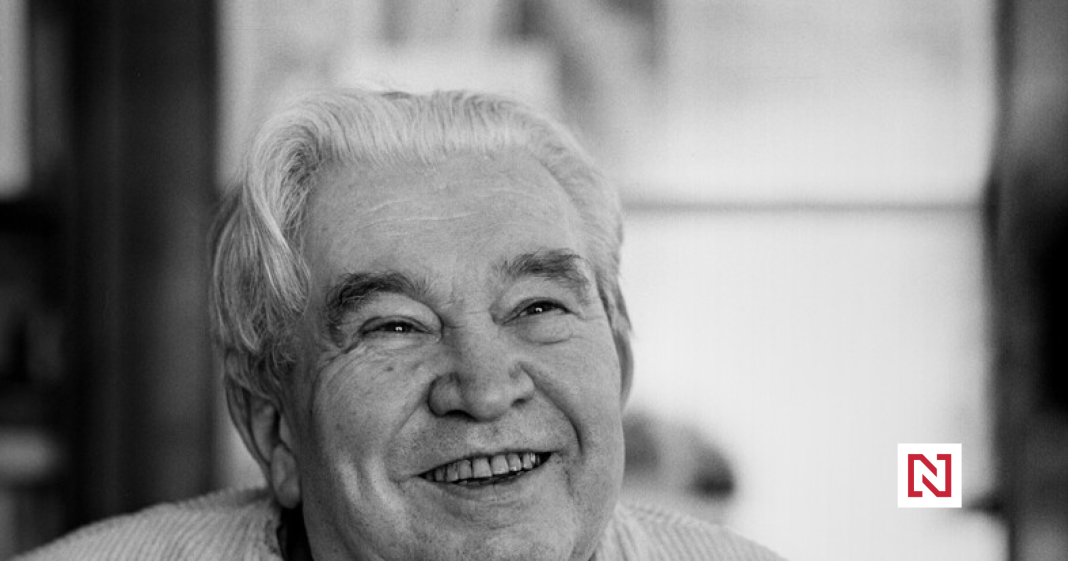

Jaroslav Seifert, a celebrated Czechoslovak poet and Nobel laureate, faced numerous challenges under the communist regime that sought to silence his powerful voice 75 years ago. His story of resilience highlights the intricate relationship between his craft and politics during that era.
Early Life and Literary Beginnings

Jaroslav Seifert, born in 1901 in Prague, emerged as a significant literary figure in Czechoslovakia. His early works were influenced by the avant-garde movement, and he became a founding member of the Devětsil group, an association of Czech writers and artists. This collective aimed to promote new forms of expression and was actively involved in the socialist cultural scene.
Seifert’s early poetry reflected a commitment to social change, capturing the aspirations of the working class. However, his affiliation with the Communist Party in the 1920s marked a turning point, both for his career and his relationship with the regime. Despite initial harmony with the party’s ideological stance, tensions grew as Seifert matured as a writer.
Conflict with the Communist Regime

By the late 1940s, Seifert’s relationship with the Communist Party began to sour, largely due to his criticism of its authoritarian practices. His poems, known for their lyrical beauty and advocacy for human rights, often clashed with the party’s increasing rigidity and attempts to control artistic expression.
In 1949, the party moved to suppress Seifert’s influence, seeing his growing popularity as a threat. This culminated in his expulsion from the party, an event that effectively estranged him from the establishment and significantly impacted his literary career. Despite attempts to silence him, Seifert continued to write, crafting works that subtly criticized the oppressive system.
The Nobel Prize and Recognition

Seifert’s perseverance through political adversity eventually garnered international recognition. In 1984, he was awarded the Nobel Prize in Literature, becoming the first Czech to receive this honor. His win was a testament to his profound impact on literature and his unyielding dedication to freedom of expression.
The award highlighted Seifert’s role in preserving Czech cultural identity and his contributions to world literature. The Nobel Prize not only recognized his artistic achievements but also underscored the broader struggle against oppressive regimes that seek to stifle creativity and dissent.
Legacy and Influence

Seifert’s legacy endures as a symbol of artistic resilience and courage. His works continue to inspire new generations in Czechia and beyond, offering a potent reminder of the power and responsibility of the written word. His ability to convey complex emotions and critique societal issues without overt confrontation made his poetry timeless.
In modern Czechia, Seifert is celebrated not just for his literary achievements but also for his moral integrity and steadfastness in the face of adversity. Various literary festivals and events frequently honor his contributions, ensuring that his voice remains an integral part of Czech culture.
Seifert’s story is a powerful example of how art can resist and endure through political turmoil, reinforcing the importance of safeguarding freedom of expression. His work remains an essential part of Czechoslovakia’s cultural heritage, offering insights into a turbulent era.