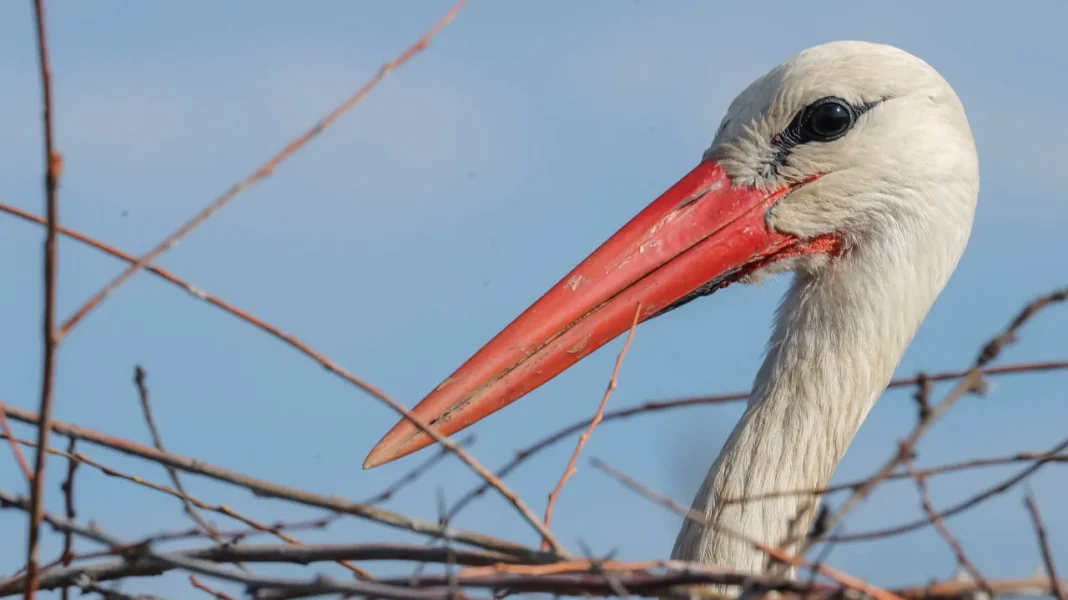

The migration of storks across Europe is an awe-inspiring natural phenomenon, but recent reports of bird flu in Spain pose a significant threat to these migratory birds. With potential implications for storks traveling to the Czech Republic, conservationists and authorities are on high alert.
Stork Migration Patterns

Every year, thousands of storks embark on a remarkable journey from Europe to Africa and back, using specific migratory routes. These routes often take them across Spain, a crucial stopover where they replenish energy for their long journey. Unfortunately, the recent outbreak of bird flu in Spain could disrupt this delicate migration path. The virus is highly contagious among bird species and can have devastating effects on stork populations already facing numerous challenges.
The spread of bird flu in Spain is particularly concerning due to its location along the primary migratory route. Here, storks often congregate in large numbers, increasing the risk of disease transmission. Any significant impact on these birds during their migration can lead to a cascade of ecological consequences, affecting biodiversity and the balance of ecosystems they interact with along their path.
Potential Impacts on the Czech Republic

The Czech Republic, a country known for its rich natural landscapes and birdwatching sites, may also feel the effects of this bird flu outbreak. Storks returning to or passing through Czechia could carry the virus, creating potential health and environmental risks. The arrival of infected birds could threaten not only local stork populations but also other wildlife.
Authorities in the Czech Republic are likely monitoring the situation closely, taking preventive measures to safeguard local ecosystems. The emphasis is on early detection and rapid response to any signs of the virus among migratory birds, aiming to mitigate the potential impact on wildlife and human health.
Conservation Efforts and Challenges

The ongoing bird flu threat underscores the importance of international conservation efforts and cooperation. Organizations across Europe work tirelessly to protect migratory bird populations through monitoring, research, and policy advocacy. These efforts become even more crucial in the face of disease outbreaks that transcend national borders.
However, conservationists face several challenges. The dynamic nature of migratory patterns and the unpredictable spread of avian diseases make it difficult to implement effective control measures. Resources are often limited, and continuous funding and political support are required to sustain conservation activities.
Future Outlook and Preparedness

As the situation evolves, preparation remains key for minimizing disruption to stork migration and preventing widespread ecological impact. Collaborative research and real-time data sharing among European countries are essential for understanding the patterns and pathways of the virus.
Looking ahead, efforts will focus on strengthening international cooperation and enhancing biosecurity measures. The development of vaccines and treatments for avian flu also remains a priority, aiming to reduce the risk of similar outbreaks affecting migratory bird populations in the future.
In conclusion, while bird flu in Spain presents a significant challenge to stork migration, the concerted efforts of conservationists and government bodies across Europe offer hope for preserving these majestic creatures and the natural heritage they embody.