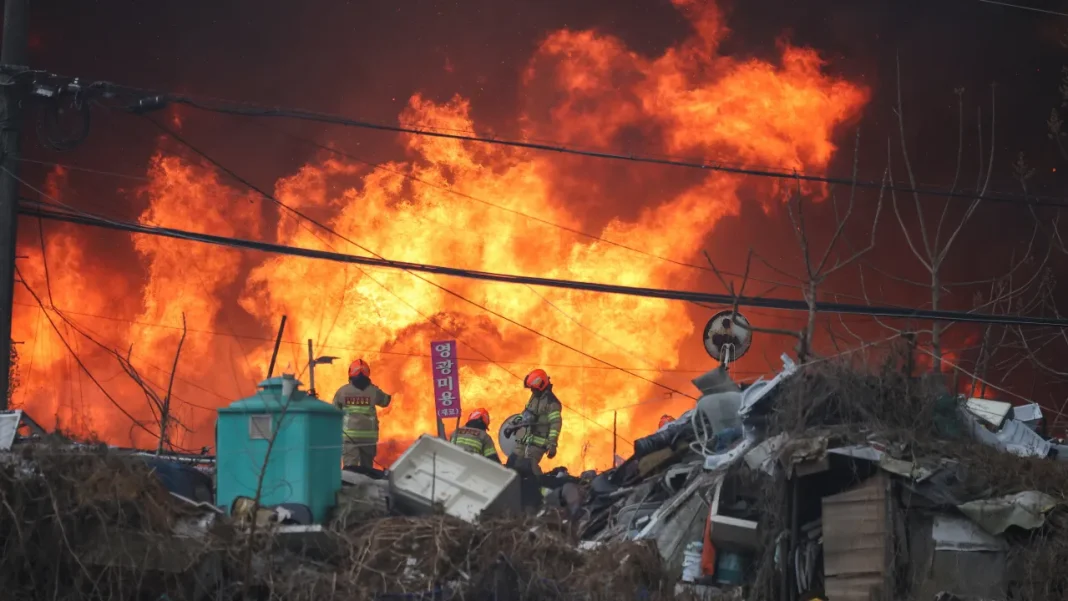

In a swift and coordinated effort, South Korean firefighters successfully extinguished a significant fire in Seoul, preventing potential widespread damage and ensuring the safety of residents in the affected area. This incident draws attention to the exceptional response capabilities and preparedness within the South Korean emergency services.
Rapid Response to Urban Fires
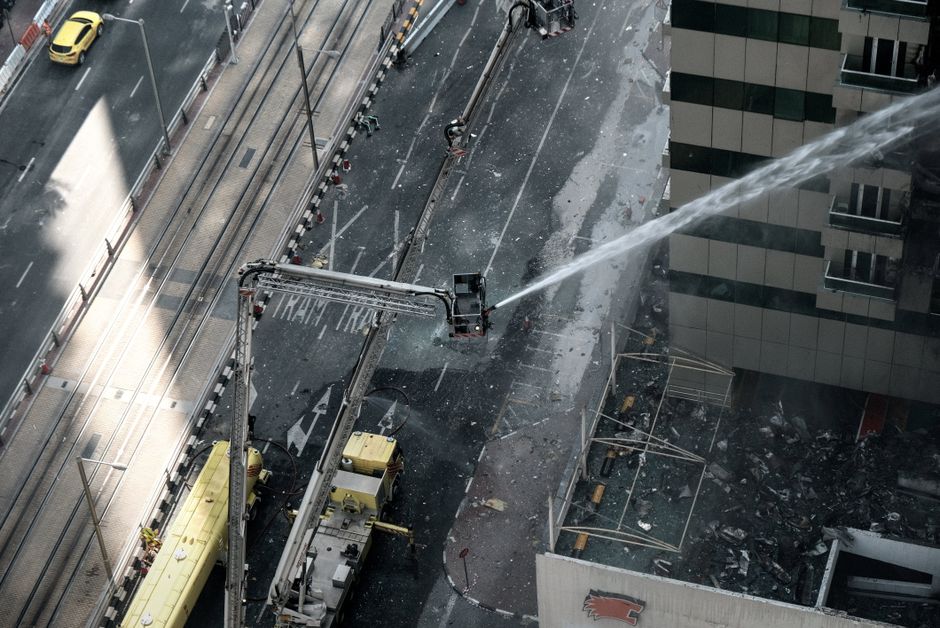
South Korea boasts a robust emergency response system, which was on full display as firefighters tackled the blaze in Seoul. The quick mobilization of firefighting teams minimized harm and underscored the effectiveness of their training programs. These professionals routinely conduct drills for various emergency scenarios, enabling them to manage urban fires efficiently.
The fire broke out in a densely populated district, posing significant challenges due to the proximity of buildings and the narrow streets. However, the adept firefighters utilized advanced equipment and strategies to control the flames. Their prompt action serves as a testament to South Korea’s commitment to public safety and rapid emergency management.
Community Impact and Safety Measures

The fire incident prompted an evacuation of residents to ensure their safety. Thanks to the comprehensive safety protocols in place, there were no reported casualties. Emergency shelters were quickly set up to accommodate those displaced, emphasizing the community’s resilience and preparedness in the face of such events.
Post-incident, authorities are focused on evaluating the safety infrastructure of the affected area. Community meetings are staged to discuss improved fire prevention tactics, ensuring that residents are informed and prepared for any future occurrences. This continuous dialogue between officials and citizens is vital in fostering a culture of safety and awareness.
Cause Investigation and Reconstruction

Investigators have already begun examining the origins of the fire, aiming to determine whether it was an accident or caused by negligence. Initial reports suggest that a malfunctioning electrical system might be to blame, although the investigation remains ongoing.
Local government and community leaders are collaborating to strategize the reconstruction of damaged structures. There is a concerted effort to incorporate enhanced safety features into the rebuilding process, adhering to modern safety standards and building codes to prevent future incidents.
Role of Technology in Firefighting
The Seoul firefighting operation was significantly aided by modern technology, including real-time data analytics and advanced communication tools. These technologies are transforming how emergency services respond to fires, optimizing both speed and efficacy.
Innovations such as drones and thermal imaging cameras provided critical information, allowing firefighters to pinpoint the fire’s source and strategize their approach effectively. As technology continues to evolve, its role in enhancing fire safety protocols and emergency response mechanisms will only grow more crucial.
South Korean emergency response teams have once again demonstrated their proficiency through their handling of the fire in Seoul. With ongoing investigations and reconstruction efforts, the focus remains on leveraging lessons learned to further improve safety measures across the nation.