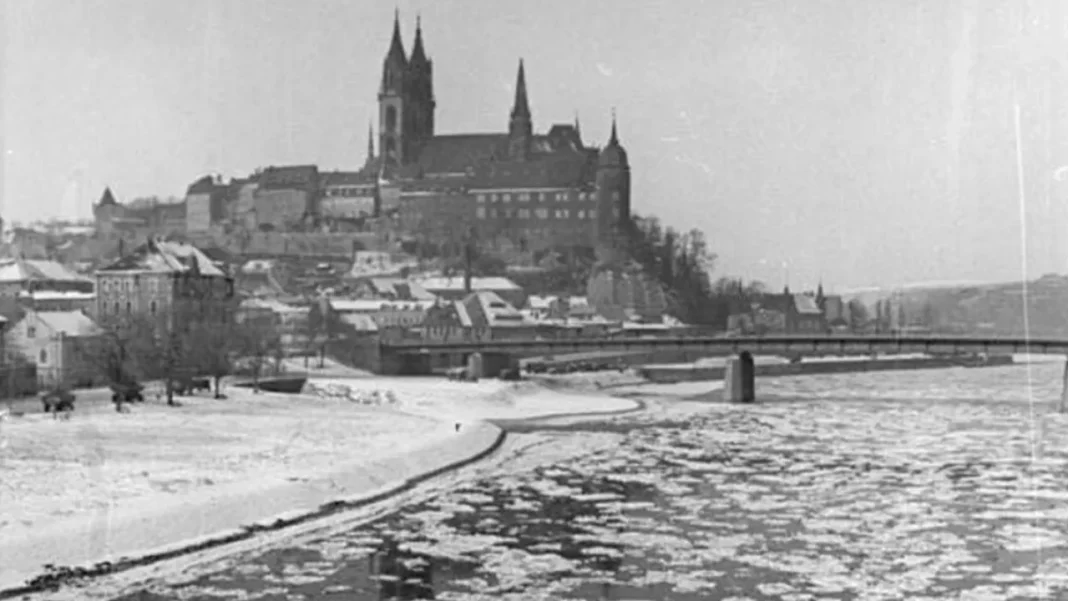

Seventy years ago, Europe experienced a climatic phenomenon that left a lasting impression on its history: the Siberian Cold Wave. This extraordinary weather event brought extreme temperatures and widespread disruption across the continent, affecting millions of lives.
Origins of the Cold Wave

In the early 1950s, Europe was gripped by a severe cold front that originated in Siberia. This mass of frigid air traveled westward, causing temperatures to plummet across Eastern and Western Europe. Meteorologists of the time were taken aback by the sudden onset and severity of the cold wave, which was unlike anything they had previously recorded.
The cause of the cold wave was a high-pressure system over Siberia that pushed cold Arctic air southward. This weather pattern created an unrelenting blast of icy winds that kept temperatures well below freezing for extended periods. As a result, Europe saw record lows that winter, with some regions experiencing temperatures that dipped beneath -30°C.
Impact on Daily Life

The Siberian Cold Wave had profound effects on everyday life throughout Europe. Cities and towns across the continent experienced widespread disruption as snowdrifts and ice made transportation nearly impossible. In rural areas, families struggled to keep livestock safe and homes warm, leading to shortages of basic necessities.
Public services were particularly affected, with schools closing, public transportation halting, and utilities being strained beyond capacity. Power outages were common, leaving many without heating during the coldest weeks. The economic impact was also severe, as industries struggled to maintain production and costs associated with damage and shutdowns soared.
Humanitarian Response

The severity of the cold wave prompted significant humanitarian efforts as governments and communities sought to mitigate its effects. Emergency measures included the distribution of food and heating supplies, as well as the establishment of shelters for those who were homeless or without adequate heating.
International aid was also offered, with neighboring countries sending resources and expertise to help mitigate the disaster. This period marked a significant moment of solidarity across borders, as European nations collaborated to address the challenges the cold wave presented.
Long-term Consequences

The Siberian Cold Wave had lasting consequences on Europe’s infrastructure and policies. Lessons learned from the event led to changes in how countries prepared for severe weather events, influencing the development of better forecasting systems and emergency response protocols.
Additionally, the cold wave had a significant impact on Europe’s agricultural sector, causing shifts in planting practices and the adaptation of crops better suited to withstand similarly harsh winters. This period also heightened awareness of the need for international cooperation in addressing natural disasters, setting a precedent for future collaborative efforts.
Although the Siberian Cold Wave of seventy years ago remains a chilling memory, it also serves as a testament to human resilience and the importance of preparedness in facing nature’s extreme events.