

In a world where sexual imagery is omnipresent, from advertisements to movies, talking openly about sex remains a challenging and often avoided topic. This paradox raises intriguing questions about our society’s relationship with sex and communication.
The Ubiquity of Sexual Content

Sexual content is infused into many facets of modern life. Advertisements often utilize provocative imagery to sell everything from cars to soft drinks, suggesting a widespread acceptance of sexualized media. The entertainment industry further reinforces this through movies, series, and music videos that often portray explicit themes.
This omnipresence creates a societal norm where individuals are accustomed to seeing sexual imagery, yet this doesn’t necessarily translate into open discussions. The outcome is a dissonance where sex is both visible and yet also an uncomfortable topic for conversation.
Barriers to Open Dialogue

Despite exposure to sexual content, societal taboos and cultural conservatism contribute to the inhibition surrounding discussions about sex. Many adults shy away from conversations about sexual health or relationships due to embarrassment or lack of proper terminologies. Similarly, educational systems might provide limited sex education, which perpetuates discomfort and misinformation.
This reluctance to talk about sex can lead to broader issues, such as a lack of understanding around consent, sexual health, and relationships. Without open communication, myth and misconception can thrive, resulting in a society that is visually familiar with sex but educationally and conversationally immature.
The Role of Education
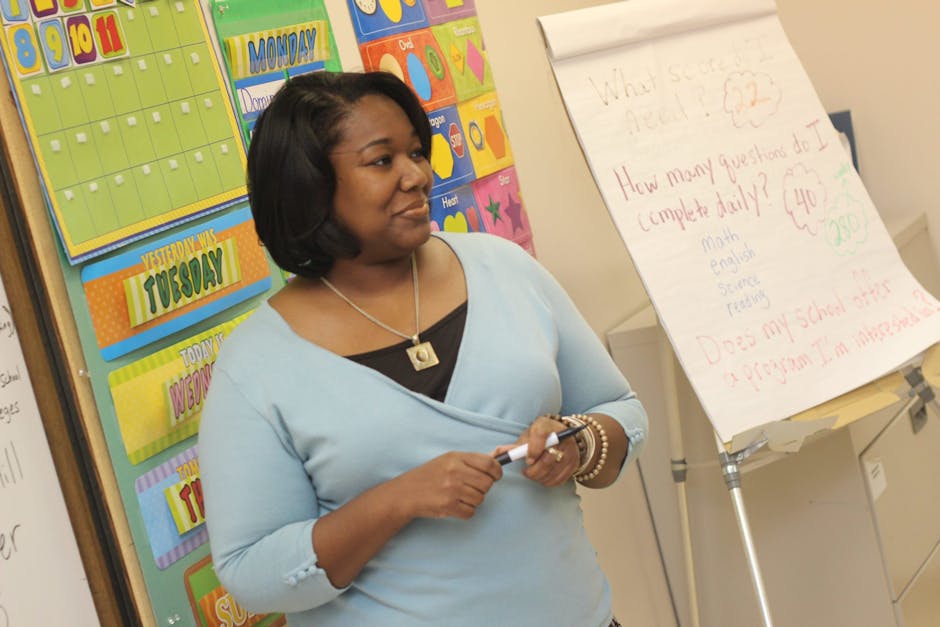
Comprehensive sex education is a crucial step toward bridging the gap between the ubiquity of sexual imagery and open dialogue. Programs that address physical, emotional, and psychological aspects of sex can empower individuals with the knowledge to engage in informed and healthy discussions.
In countries like the Czech Republic, progressive sex education has been instrumental in breaking down these barriers. Such programs encourage a pragmatic approach to understanding sex, thereby promoting transparency and reducing misinformation.
Toward a More Open Society

Creating a culture where discussions about sex are normalized involves significant societal shifts. Encouraging these changes requires efforts from media, educators, and policymakers to foster environments where these conversations are considered healthy and necessary.
Platforms for open dialogue can be established through community workshops, media campaigns, and inclusive education curriculums. These initiatives help dismantle the stigmas and facilitate a space where individuals feel comfortable engaging in meaningful discussions.
While sex continues to be a focal point in media, the progression toward open dialogue is essential for a healthier society. By embracing comprehensive education and dismantling ingrained taboos, we can foster an environment of growth and understanding.