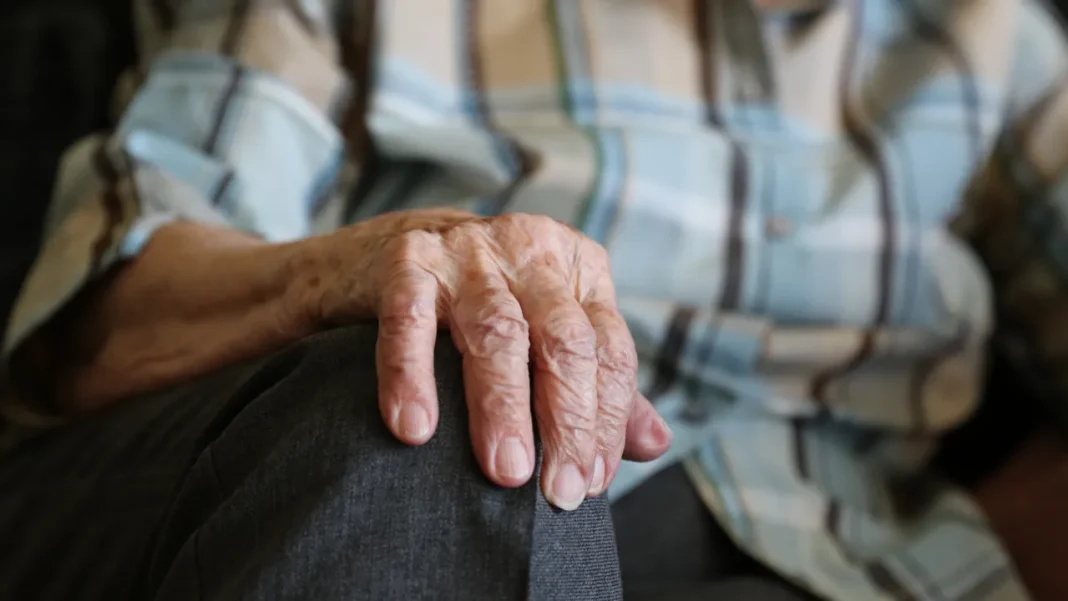

As the new year approaches, many senior homes in Prague are preparing for a significant increase in prices. This trend is causing concern not only among potential residents but also among families seeking care options for their elderly loved ones. The situation has become so acute that some facilities have started turning away clients in anticipation of the fiscal changes.
Underlying Causes of Price Increases

The price hikes in Prague’s senior homes are primarily driven by rising operational costs. Key among these are the increasing prices of food, utilities, and, crucially, labor. The cost of employing skilled caregivers has surged, reflecting a broader trend in the healthcare sector, where demand far outstrips supply. Additionally, compliance with newer regulations designed to improve the quality of care has necessitated further investments by these facilities.
Moreover, inflationary pressures within the Czech economy have also contributed to the financial strain. With general inflation impacting all sectors, senior homes face the challenge of maintaining service quality while balancing their budgets. This has inevitably led to price adjustments that affect new and existing residents.
Impact on Current and Prospective Residents

The increases in fees are particularly concerning for current residents on fixed incomes, as many do not have the flexibility to accommodate sudden cost escalations. Families supporting elderly relatives are also feeling the financial strain, as they must re-evaluate budgets or seek alternative options.
For prospective clients, the situation presents a formidable challenge. Those seeking placement in senior homes are finding it increasingly difficult to secure slots at an affordable rate. This has led to a backlog in applications, with some facilities preemptively closing their waiting lists due to anticipated price changes.
Responses from Senior Home Facilities

Many senior homes are attempting to mitigate these challenges through various strategies. Some have opted to streamline their services, focusing on core care offerings while downsizing non-essential amenities. Others are investing in staff training and development to enhance efficiency and service quality without further escalating costs.
In response to concerns from residents and their families, some facilities are also exploring financial assistance programs or partnerships with local governments to ease the financial burden on their clients. These measures aim to balance quality care and affordability, though the long-term sustainability of such efforts remains uncertain.
Looking Ahead: Possible Solutions and Support

To address the ongoing challenges, policymakers are being urged to consider measures that support both senior homes and their residents. Proposed solutions include government subsidies or tax incentives for facilities, particularly those that demonstrate commitment to quality care at fair prices.
Additionally, there is a call for increased investment in training programs for caregivers. By boosting workforce numbers and skills, the sector can better meet demand without excessively inflating costs. These approaches aim to ensure that care for the elderly remains accessible and sustainable.
As Prague navigates these changes, the situation underscores the need for comprehensive strategies to support its aging population and the facilities that serve them.
Source: Official ministry of social affairs website.