

In an effort to combat climate change, scientists are actively exploring innovative methods to reduce aviation emissions without necessitating a reduction in passenger numbers. These strategies could play a crucial role in making air travel more sustainable while maintaining its vital role as a global connector.
Eco-Friendly Fuel Alternatives

A major focus of current research is the development and implementation of sustainable aviation fuels (SAFs). These fuels, derived from renewable resources such as waste materials and algae, can significantly decrease the carbon footprint of air travel. Unlike conventional jet fuel, SAFs can reduce emissions by up to 80%, depending on the feedstock used. Airlines and aviation regulators are working to approve more sources of SAF and increase their availability across airports worldwide.
In conjunction with advances in biofuel technology, synthetic fuels are also being explored. These e-fuels are created using renewable energy to capture carbon dioxide from the air, combining it with hydrogen produced by water electrolysis. Such innovations could help make the aviation industry more sustainable, though challenges in production costs and scale need to be addressed.
Technological Innovations in Aircraft Design
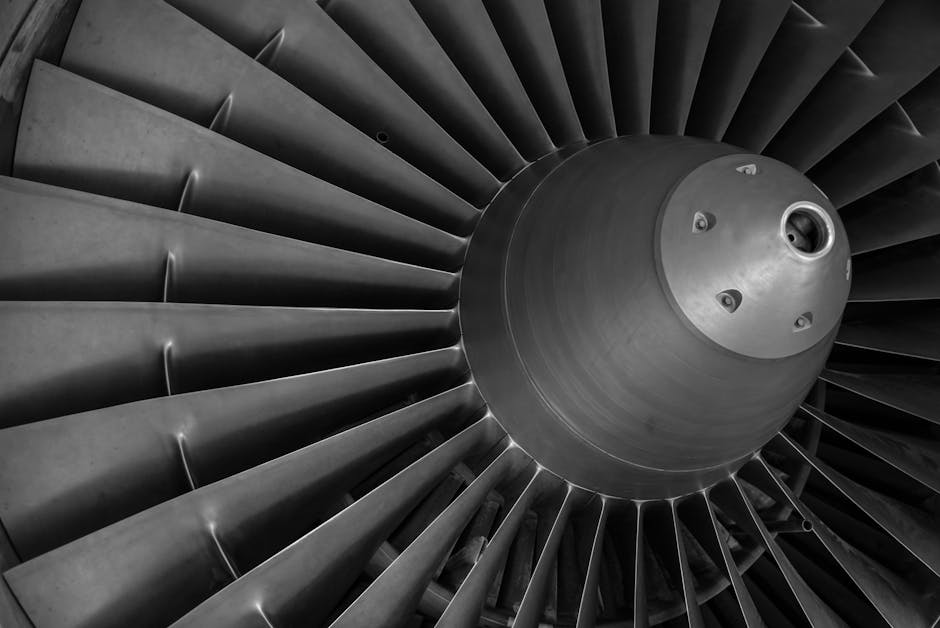
Another approach to reducing emissions involves the redesign of aircrafts themselves. Engineers are investigating novel aerodynamic structures, lighter materials, and advanced propulsion systems to enhance fuel efficiency. Noteworthy concepts include blended wing bodies, which improve lift and reduce drag, and the use of composite materials that decrease aircraft weight.
Electric and hybrid propulsion systems are also being examined as potential solutions for reducing emissions. While fully electric commercial aircraft remain in the developmental stage, hybrid-electric systems are already undergoing testing, aiming to reduce fuel consumption and emissions on shorter routes, where they are most effective.
Operational Efficiencies and Air Traffic Management

Besides fuel alternatives and aircraft design, optimizing flight operations is vital for emissions reduction. Improvements in air traffic management can lead to significant decreases in fuel burn. By employing more efficient flight paths and reducing idling times on runways and in holding patterns, airlines can cut down on unnecessary fuel consumption.
Technological advancements, such as satellite-based navigation systems, allow for more precise route planning. These systems enable aircraft to fly direct routes rather than the traditional zigzag paths, reducing flight time and emissions. Collaborative efforts among airlines, airports, and air traffic control are essential to fully realize these benefits.
The Role of Policy and Industry Commitment

Government regulations and industry commitments are key drivers of progress in reducing aviation emissions. Policies that incentivize research and adoption of greener technologies encourage stakeholders to invest in sustainable solutions. Carbon offset schemes and emissions trading are also being utilized to mitigate environmental impacts.
The aviation industry has set ambitious targets, such as achieving net-zero carbon emissions by 2050. Collaboration between governments, airlines, and environmental organizations is crucial to uphold these commitments, with concerted efforts needed to balance growth in air travel with sustainability goals.
As science and technology advance, the aviation industry is positioned to make air travel more sustainable without compromising on passenger numbers. These efforts ensure that future generations can continue to benefit from the connectivity and economic opportunities provided by global air travel.