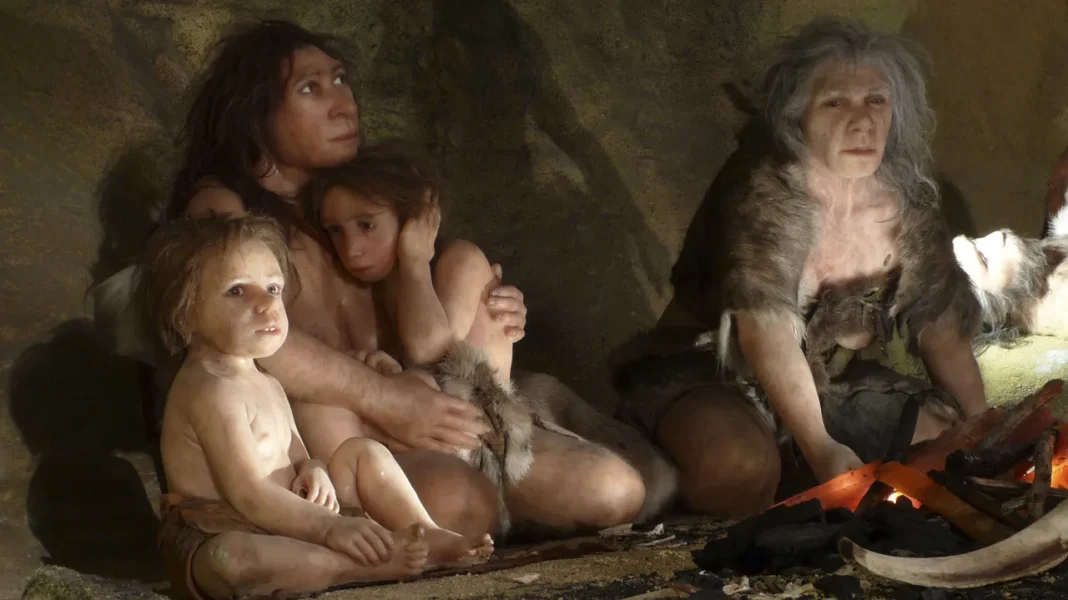

Recent research has uncovered intriguing details about the dietary habits of Neanderthals, shedding light on what scientists describe as selective cannibalism among these ancient humans. These findings provide a fascinating glimpse into the complex social and survival strategies of Neanderthals.
Understanding Neanderthal Cannibalism

The concept of cannibalism among Neanderthals is not novel, but recent studies highlight a more selective approach than previously thought. Evidence suggests that Neanderthals may have resorted to cannibalism under specific circumstances, such as scarcity of food. This selective practice implies strategic decisions were made about who to consume, possibly based on social hierarchies or in response to environmental pressures.
Such actions may have served functional purposes beyond mere survival. The consumption of individuals could have been part of ritualistic practices or social norms within their communities. As researchers analyze skeletal remains, they uncover cut marks and bone fractures indicative of butchery, offering clues to these ancient customs.
Analyzing Skeletal Evidence

Skeletal remains provide crucial evidence for studying Neanderthal cannibalism. Researchers have focused on sites across Europe where numerous bones with marks of cutting and fracturing have been found. These findings are painstakingly analyzed to discern patterns that might indicate specific motivations behind the acts of cannibalism.
The marks found on these bones suggest systematic butchery, akin to animal processing methods. By examining the bones’ breakage and tool marks, scientists aim to reconstruct scenarios that led to such practices, whether driven by necessity or social-cultural factors.
Impacts on Neanderthal Society

The incidence of cannibalism, especially selective, raises questions about its impact on Neanderthal society. If certain individuals were chosen for consumption, it might reflect on social structures or tensions within groups. Understanding these dynamics offers a window into how these ancient communities functioned and adapted to their environments.
Moreover, these practices potentially had implications for group cohesion and identity. Ritualistic cannibalism might have served as a means of forging group bonds or establishing power dynamics, influencing how Neanderthals interacted with each other and navigated survival challenges.
Broader Implications for Human Evolution

This research contributes to the broader understanding of human evolution. By comparing Neanderthal behaviors with those of other hominin species, scientists can explore how different survival strategies evolved and what role cannibalism played in these histories. These insights enrich the narrative of human development, highlighting varied adaptive strategies across time.
The study of Neanderthal cannibalism also prompts reflections on moral and ethical considerations of past human behaviors. As we uncover more about our ancestors, we gain perspective on the complexities and diversities of human nature and community life.
Recent discoveries concerning Neanderthal selective cannibalism extend our knowledge of these ancient peoples and their adaptive strategies, painting a nuanced picture of their lives and shedding light on the varied paths of human evolution.
Source: Official [entity name] website.