
Recent research into the presence of microplastics in the human body has sparked vigorous debate among scientists. As the evidence both for and against these claims continues to evolve, the scientific community is actively reassessing its understanding of the impact of microplastics on human health.
The Rise of Microplastics Awareness

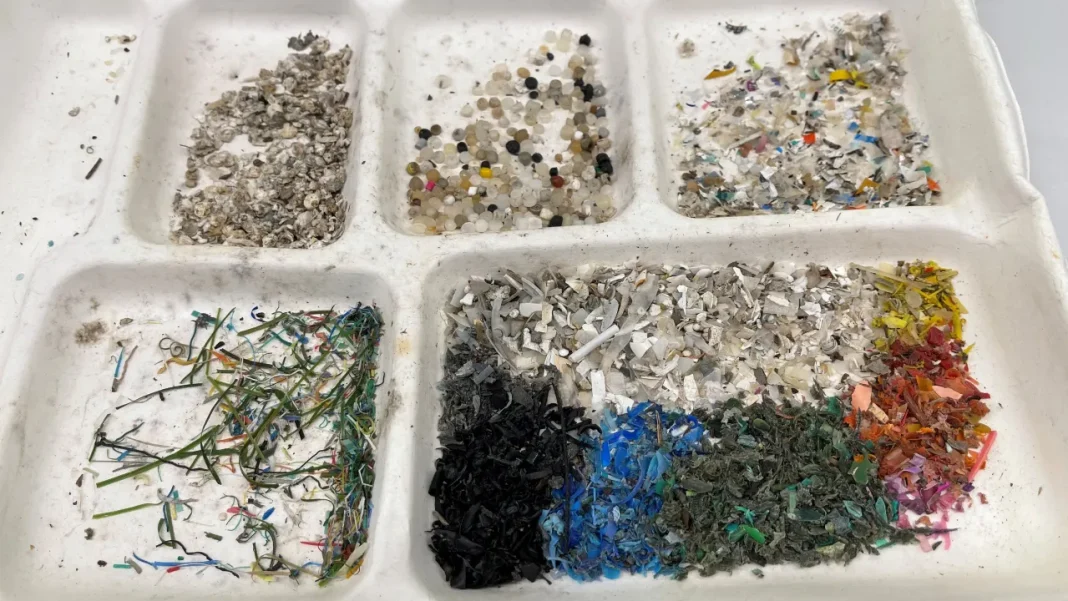
In recent years, microplastics, which are tiny plastic particles often less than five millimeters in size, have garnered scientific and public attention. Found in oceans, soil, and now human bodies, these particles originate from the breakdown of larger plastic waste and are used in manufacturing, cosmetics, and other industries. Concerns over their pervasiveness have prompted numerous studies focused on their potential health implications.
Researchers first identified microplastics in human stool samples, raising alarms about their possible effects on digestive health. Many studies have since sought to identify routes of microplastic ingestion, which can include food, water, and air. Despite the growing body of evidence, the exact health impact of these particles remains under speculation.
Challenges to Existing Research

While initial studies stirred concern, subsequent critiques have highlighted potential methodological flaws. Some researchers argue that previous studies lack rigorous controls or fail to account for contamination during sample collection and analysis. This has raised doubts about earlier findings and prompted calls for stricter scientific protocols.
Additionally, the quantification and chemical analysis of microplastics present in biological samples are particularly challenging. Advanced techniques are necessary for accurate measurement, and researchers continuously strive to improve these methods to provide clearer insights.
Implications for Public Health

The debate over microplastics in the human body has significant public health implications. If future research verifies their presence and impact, policies regarding plastic production and waste management may require significant revision. Public awareness campaigns could be essential in driving behavioral change to reduce plastic consumption and exposure.
Healthcare professionals may also need to consider environmental factors, like microplastic exposure, when evaluating patient health. This approach could enhance preventative strategies and lead to new dietary guidelines focusing on minimizing exposure.
The Future of Microplastics Research

Scientists advocating for continued study emphasize the importance of interdisciplinary collaboration. By combining expertise from fields such as chemistry, biology, and environmental science, more comprehensive insights into microplastics can be achieved. Research initiatives funded by governments and industry alike aim to unveil their true impact on both human health and ecosystems.
With advanced research tools and methodologies, scientists remain hopeful about unraveling the complex interactions between microplastics and the human body. Longitudinal studies, involving diverse populations, are deemed essential to decipher potential long-term health effects.
As this field of research progresses, the scientific community remains committed to understanding and mitigating the potential risks posed by microplastics. The challenge lies in overcoming current research limitations and achieving global consensus on their significance.