

In an engaging discourse from the heart of Prague, a renowned astronomer recently shared their experiences and insights on humanity’s quest to send people to orbit. Their story is a reminder of the exciting possibilities that lie ahead in the realm of space exploration.
The Early Roots of Astronomical Fascination

From an early age, the astronomer’s fascination with the stars was evident. Growing up in the Czech Republic, surrounded by a rich history of scientific discovery, provided the perfect backdrop for nurturing this passion. Their interest led them to pursue higher education in astrophysics, where they delved into the complexities of celestial bodies and the infinite universe.
Prague, with its historical connection to famous astronomers like Johannes Kepler, served as a continual source of inspiration. The Czech capital’s long-standing tradition of scientific inquiry motivated our subject to dream big and aim for the stars. Throughout their academic journey, they honed their skills and developed a deep understanding of space sciences, eventually leading to groundbreaking work in the field.
Missions and Challenges in Space Exploration

Sending people to orbit is no small feat, demanding precision, perseverance, and innovative thinking. The astronomer detailed the arduous process of coordinating missions, emphasizing the collaborative effort required across international teams. Each mission is met with unique challenges, from designing spacecraft capable of sustaining human life to managing the potential risks presented by the harsh environment of space.
The astronomer highlighted the critical role that technological advancements play in overcoming these challenges. Innovations in propulsion systems, material science, and life support technology have significantly enhanced our ability to conduct successful orbital missions. Such advancements are not only pivotal for reaching orbit but also for future endeavors aimed at exploring deeper into our solar system.
The Human Element in Orbital Missions
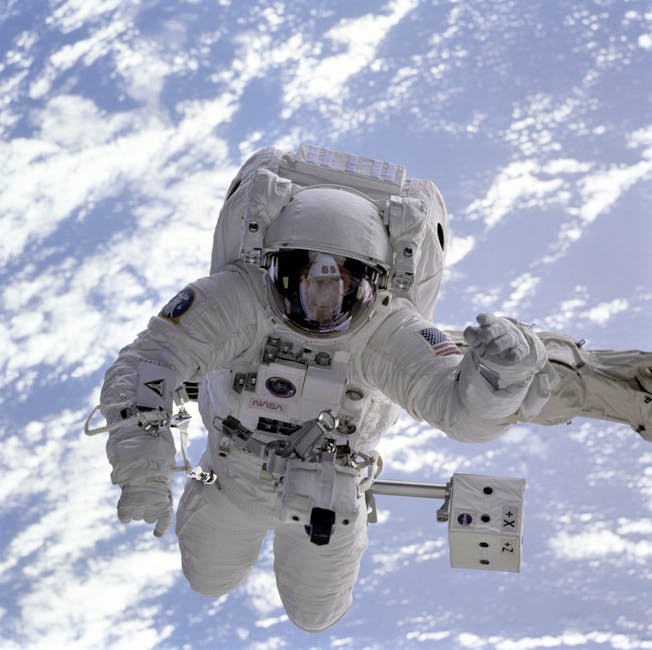
While technological prowess is essential, the human aspect of space exploration cannot be overlooked. The astronomer emphasized the importance of selecting and training astronauts who possess not just technical skills, but also psychological resilience. These individuals must adapt to living in confined spaces and handle the psychological stresses associated with long-duration missions.
Understanding human factors is as crucial as the technical elements of space travel. The astronomer explained how research into human physiology and psychology has informed the design of spacecraft interiors and mission protocols. These insights ensure that astronauts can perform optimally, even under the immense pressures of space exploration.
Looking to the Future: The Next Frontier

As our understanding of space continues to grow, so too does the potential for future missions. The astronomer shared their vision for the next phases of space exploration, which include manned missions to Mars and possibly beyond. These endeavors promise to unlock new scientific discoveries and propel human understanding of the cosmos to new heights.
The international community is increasingly focused on cooperative ventures, pooling resources and expertise to achieve common goals. This collaborative spirit was a focal point during the astronomer’s discourse, highlighting its significance in fostering innovation and exploration.
In conclusion, the astronomer’s journey from Prague to the stars is a testament to the power of curiosity and perseverance. With each new mission, humanity takes another step towards unraveling the mysteries of our universe, guided by brilliant minds inspired by the wonders of the night sky.
Source: Official European Space Agency website.