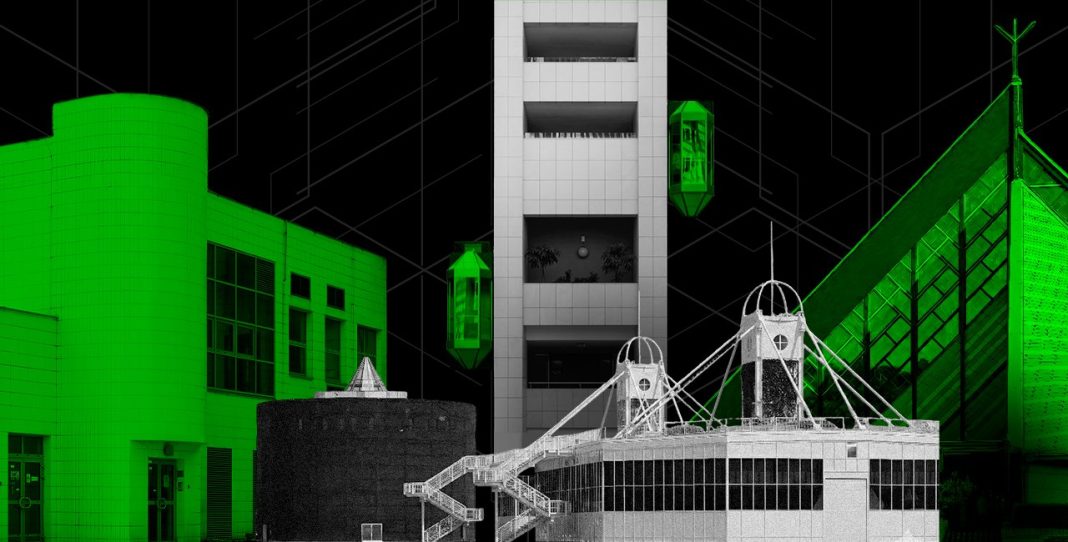

The vibrant city of Prague is hosting a fascinating retrospective exhibition that invites visitors to delve into the quirky world of 1990s architecture. This exhibition showcases an era that left a unique, yet sometimes overlooked, architectural footprint on the city.
The Rise of Experimental Architecture
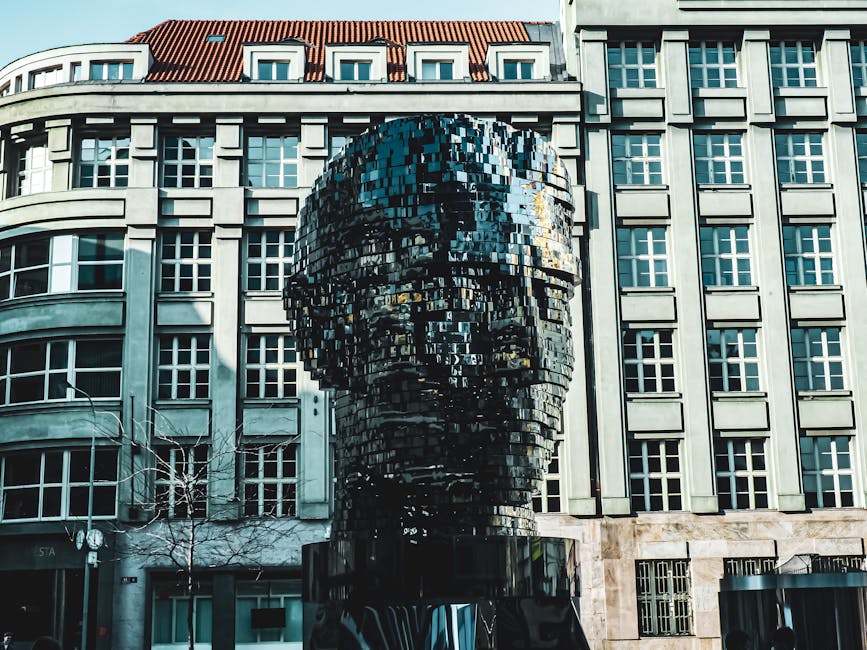
During the 1990s, Prague witnessed a remarkable architectural evolution. The fall of the Iron Curtain opened new avenues for creativity, leading architects to experiment with designs that were bold and unorthodox. The exhibition highlights these avant-garde structures that broke away from traditional forms. Influences from Western architecture mingled with a local desire for innovation, resulting in distinctive buildings that still capture the imagination today.
Standout projects from this era include the iconic Dancing House by Frank Gehry and Vlado Milunić, which broke Prague’s historical skyline with its unconventional curves and dynamic structure. Visitors can explore the thought process behind such projects and appreciate the daring spirit of this transformative decade.
Technological Advances and Their Impact

The 1990s also heralded new technological advancements that significantly influenced architectural designs. With computer-aided design (CAD) becoming more prevalent, architects in Prague could bring more complex and daring creations to life. This period saw a blend of traditional craftsmanship with cutting-edge technology, allowing previously unimaginable ideas to be realized.
The exhibition provides insight into how these technologies changed architectural processes. Interactive displays and digital installations offer an engaging look at the tools and methods that revolutionized the architecture of this era, fostering a deeper appreciation for the ingenuity of the architects who embraced these changes.
Public and Critical Reception

While the architectural innovations of the 1990s were applauded by some, they were met with skepticism by others in Prague. The city’s residents and critics often debated the aesthetic value of these new structures, which sometimes clashed with the city’s historic atmosphere. Nevertheless, these buildings have since become integral to Prague’s identity, embodying the city’s journey through a period of cultural and political transformation.
Interviews and archived footage featured in the exhibition reflect these diverse perspectives, giving visitors an understanding of how public opinion has evolved over the years. This historical context adds depth to the architectural narrative, illustrating how time has rendered once-controversial buildings iconic.
The Legacy of ’90s Architecture

Today, the legacy of Prague’s 1990s architecture is evident in the city’s evolving landscape. The experimental spirit of that decade laid the groundwork for ongoing innovation and daring design choices. Modern architects draw inspiration from the fearless creativity of their predecessors, continually reshaping Prague’s architectural identity.
This retrospective exhibition not only pays homage to a unique era but also encourages contemporary reflection on the balance between heritage and innovation. It highlights the importance of pushing boundaries, a lesson that continues to resonate in today’s architectural endeavors.
In conclusion, the exhibition offers a comprehensive exploration of Prague’s ’90s architectural renaissance. It celebrates the visionary architects who dared to dream differently, leaving a lasting impact on the city’s urban fabric.