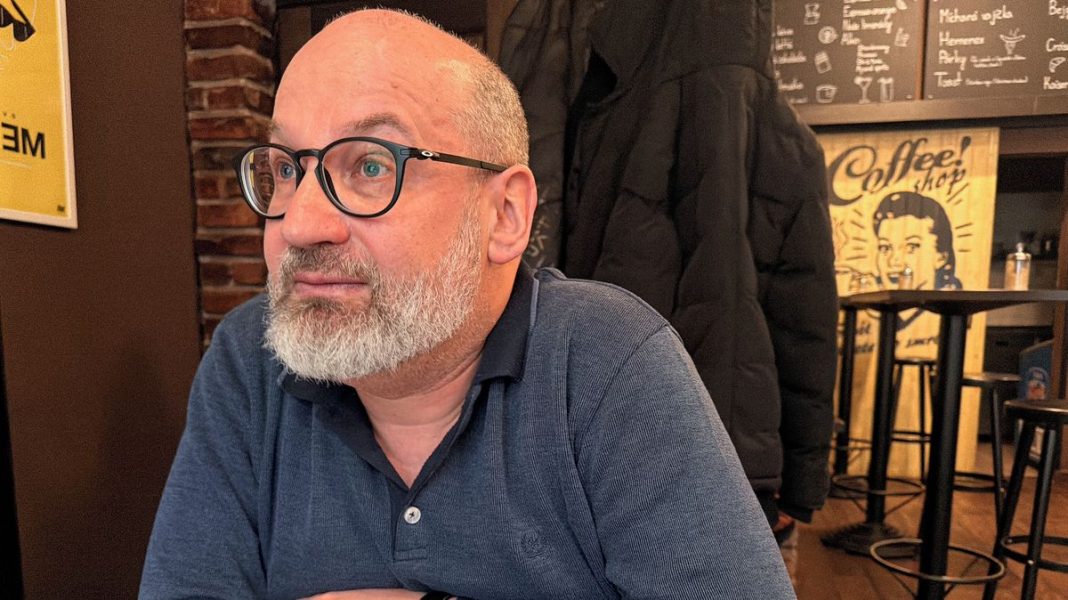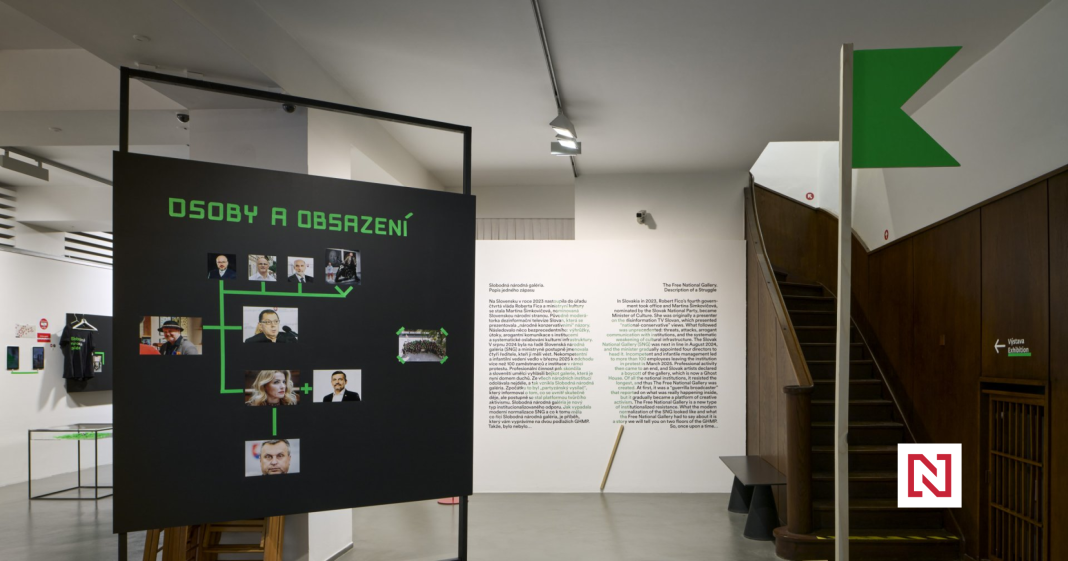

Prague hosted a thought-provoking meeting between prominent figures Simona Šimkovičová and David Klempíř, highlighted during an exhibition on the Slovak National Gallery. This event has sparked discussions on the implications for cultural collaborations and exchanges between Czechia and Slovakia.
Highlights of the Exhibition

The exhibition at the Slovak National Gallery in Prague has become a focal point for cultural enthusiasts. Featuring an array of artworks and historical pieces, the event showcases the rich tapestry of Slovak heritage. Simona Šimkovičová, a well-respected curator, emphasized the importance of this cultural exhibition in fostering deeper understanding and appreciation between the neighboring countries.
Alongside Šimkovičová, David Klempíř, an influential art critic, delved into discussions about the roles of cultural institutions in shaping public perceptions. Their meeting underscored the urgent need to strengthen cultural ties and explore collaborative opportunities.
Implications for Czech-Slovak Relations

The historical context shared between Czechia and Slovakia provides a unique platform for cultural exchange. The recent exhibition highlighted ongoing efforts to bridge any cultural gaps post their separation in 1993. Both Šimkovičová and Klempíř vocalized the essential role that arts and exhibitions play in weaving a unified narrative.
Their insights during the meeting have contributed to increased dialogue on enhancing bilateral cultural projects. Such events are pivotal in reinforcing mutual respect and understanding, ultimately contributing to a more comprehensive collaborative framework.
Future Prospects for Cultural Collaborations

Looking ahead, the meeting has paved the way for potential projects that include joint exhibitions, educational workshops, and artist residencies. The idea is to foster an environment where artists and curators from both nations can collaborate without borders.
This initiative, fueled by discussions at the exhibition, aims to inspire new generations to engage with their cultural heritage actively. Collaborative efforts like these also offer an opportunity for regional influence in broader European cultural narratives.
The Role of Public Engagement

Public engagement has been identified as a crucial component in the success of such cultural exchanges. Šimkovičová and Klempíř discussed strategies to increase attendance and participation in future events, recognizing the power of community involvement in sustaining interest and support for cultural initiatives.
Encouraging more interactive and accessible platforms, such as virtual tours and live discussions, could enhance community interaction and bring a wider audience into the fold. This approach would not only benefit cultural institutions but also enrich the cultural fabric on both sides of the border.
The meeting of Šimkovičová and Klempíř highlights a promising direction for Czech-Slovak cultural relations, with tangible benefits for the broader artistic community.