Southern Chile is currently grappling with a series of devastating wildfires that have ravaged landscapes and tested the resilience of communities. The severity of these fires underscores the urgent need for effective response measures and long-term solutions.
Extent of the Wildfires

The wildfires in Southern Chile have affected thousands of hectares, with several regions experiencing unprecedented damage. Fueled by strong winds and dry conditions, the fires have rapidly spread across forests, farmland, and even encroached upon urban areas. Local authorities report that these blazes are among the worst the region has witnessed in recent years.
Efforts to contain the fires have been challenged by the rough terrain and the sheer scale of the affected areas. Firefighters from across the country have been mobilized to battle the infernos, with support from international teams. Despite their efforts, the situation remains critical as new fire outbreaks continue to emerge.
Impact on Communities
The impact of the wildfires on local communities has been severe. Hundreds of families have been evacuated from their homes, forced to seek shelter in temporary accommodations. The destruction of infrastructure, including roads and electricity lines, has compounded the difficulties faced by residents and emergency responders alike.
Additionally, the agricultural sector has suffered significant losses, with crops and livestock being destroyed by the advancing flames. This has not only jeopardized livelihoods but also raised concerns about food supply in the affected regions.
Environmental Consequences
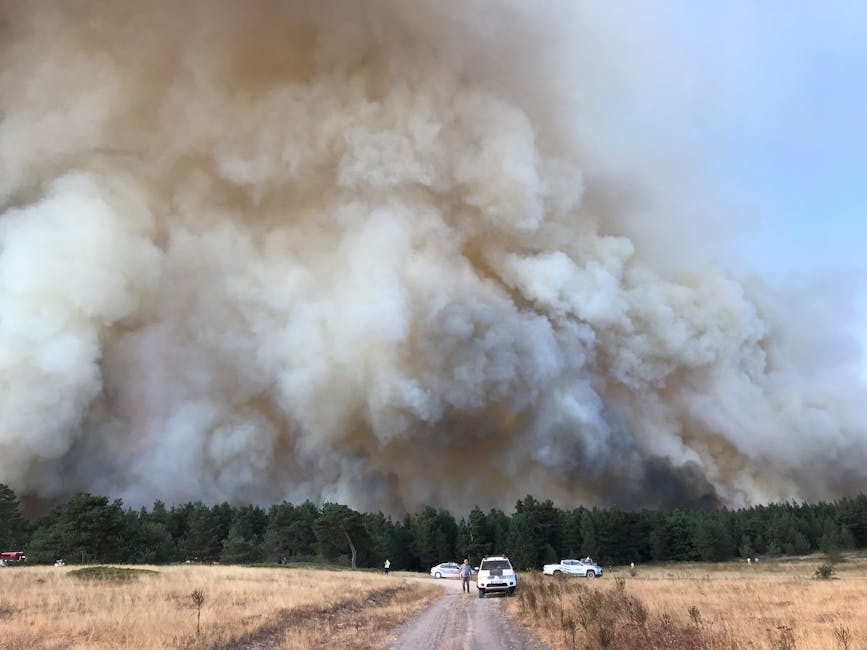
The environmental toll of the wildfires is immense, with vast areas of forest and wildlife habitats obliterated. The loss of biodiversity is concerning, as many species native to the region face the threat of extinction. Ecologists have warned that the ecological recovery could take decades, requiring concerted reforestation and conservation efforts.
Smoke from the fires has also led to air quality deterioration, posing health risks to the population. Authorities have issued warnings for people to stay indoors and use protective masks when venturing outside.
Government and Community Response

The Chilean government has declared a state of emergency in the affected regions, unlocking resources and financial aid to support firefighting efforts and aid affected communities. The deployment of military resources, including helicopters and specialized units, has been key in combating the fires.
Community resilience has been noteworthy, with volunteers coming together to provide support and aid to those impacted. Local organizations have been instrumental in distributing food, water, and essential supplies to displaced families.
Long-term Strategies and Solutions

In light of the current crisis, discussions around long-term strategies to prevent future wildfires have gained momentum. Experts advocate for improved forest management practices, including controlled burns and creating firebreaks to reduce the risk of large-scale fires.
Efforts are also being made to raise awareness about the impacts of climate change, which exacerbates the frequency and intensity of such natural disasters. Initiatives aimed at promoting sustainable agricultural practices and improved land use planning are seen as crucial in mitigating future risks.
The wildfires in Southern Chile are a stark reminder of the challenges posed by climate change and the need for a coordinated response to protect people, communities, and the environment.