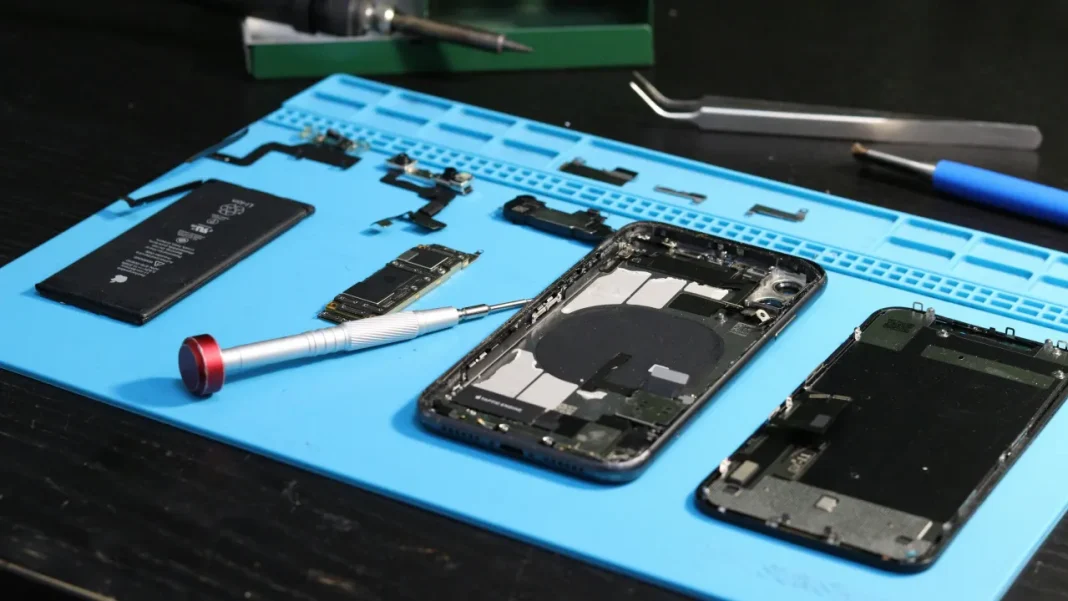

In an effort to tackle electronic waste and enhance consumer convenience, new regulations are set to require all electronic devices to feature removable batteries. This change aims to empower users to easily replace batteries, extending the life of their devices and reducing environmental impact.
Background of the New Regulations

The move towards mandatory removable batteries is part of a broader initiative by the European Union to promote sustainability in consumer electronics. As technology advances, many devices have integrated, non-replaceable batteries, leading to increased electronic waste. By reintroducing removable batteries, users can prolong device life and reduce the need for replacements.
These changes come in response to growing concerns about the environmental impact of discarded electronic devices. The European Commission has highlighted the need for sustainable practices in the manufacturing and disposal of electronics, focusing on reducing waste and enhancing recycling efforts.
These regulations will apply to smartphones, tablets, and other portable electronic devices sold within EU member states, including Czechia. The goal is to ensure consumers have the power to maintain their devices without technical expertise.
Impact on Manufacturers and Consumers

Manufacturers will need to adapt their designs to comply with the new regulations, potentially increasing initial production costs. However, the long-term benefits could offset these costs by aligning with consumer demand for sustainable products. This transition also provides an opportunity for innovation in battery technology and device design.
For consumers, the shift promises greater flexibility and cost savings. Being able to replace a battery means devices can remain operational for longer periods, mitigating the financial burden of frequent replacements. Additionally, this change can foster a secondary market for replacement batteries and repair services.
Some industry leaders have already started implementing these design changes, demonstrating feasibility and paving the way for others to follow.
Challenges in Implementation

While the benefits are significant, there are challenges to consider. Transitioning to devices with removable batteries requires redesigning existing models, which can pose technical and logistical challenges for manufacturers. It may also lead to a short-term increase in production costs.
Retailers will need to update their product offerings and potentially their service models to support this change. Training staff and effectively communicating with consumers about the benefits and usage of these devices will be critical.
Moreover, international manufacturers that distribute in EU markets must reconcile these regulations with standards in other regions, which may not require removable batteries, potentially complicating supply chains.
Environmental Benefits and Future Prospects

The environmental benefits of enforcing removable batteries are clear. By empowering consumers to replace batteries, the lifespan of electronic devices extends, ultimately reducing the volume of electronic waste. This directly supports the EU’s Circular Economy Action Plan aimed at sustainable growth.
The regulation encourages companies to innovate, potentially leading to breakthroughs in battery technology or recycling methods. Furthermore, it aligns with global sustainability goals, promoting responsible production and consumption practices worldwide.
Looking ahead, these regulations may set a precedent for other regions to adopt similar measures, potentially influencing global standards in electronic device manufacturing.
Source: Official European Commission website.