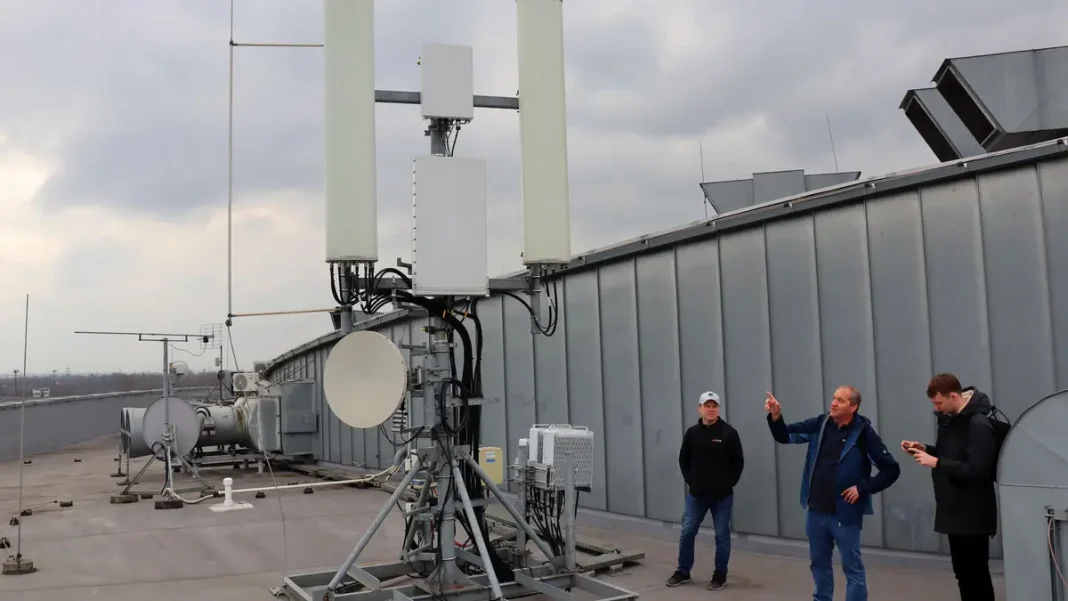

Mobile signal issues in the Beskydy region have become a significant concern for local residents, leading to frustration among area mayors. Despite technological advancements, many towns and villages struggle with inadequate network coverage, impacting daily life and communication.
Challenges Faced by Residents

Residents of the Beskydy region have long been troubled by insufficient mobile coverage, with issues worsening in recent years. The mountainous terrain of the Beskydy area poses natural challenges for signal transmission, leading to frequent disruptions and dead zones. These interruptions not only cause inconvenience for everyday communication but also raise concerns about safety in emergencies.
Local businesses are also affected, as reliable mobile connectivity is essential for economic activities. Shops, restaurants, and tourism operators rely heavily on mobile networks for transactions, bookings, and communication with customers. The lack of stable coverage hinders their operations and can result in financial losses.
Mayors Raise Their Voices

In response to these ongoing issues, mayors from affected municipalities have been vocal in their demands for better service. They have organized meetings and discussions with major telecom providers in hopes of finding a long-term solution. Some mayors have even appealed to national authorities, urging them to address the coverage gaps that hamper development in these rural areas.
Efforts have been made to collaborate with technology experts to identify potential sites for new cell towers and other infrastructure improvements. However, progress has been slow, partly due to the complicated logistics involved in constructing technology in a mountainous region.
Efforts to Improve Connectivity

To tackle the mobile signal challenges, local governments are exploring various technological solutions. Options such as installing small cell technology and utilizing advanced signal-boosting methods are being considered. These innovative approaches aim to enhance connectivity without requiring vast physical infrastructure.
Additionally, partnerships with telecom companies are being pursued to expand network coverage more efficiently. These collaborations focus on creating a sustainable framework to improve mobile services, ensuring that both urban and rural areas receive equal attention and resources.
Looking to the Future

Despite the current frustrations, there is hope on the horizon for the Beskydy region. Pilot projects to improve mobile connectivity are slated to commence shortly, promising to bring much-needed relief to affected residents. These efforts, if successful, will not only improve daily communications but can also spur economic growth by attracting more visitors and encouraging business investment.
Continued advocacy and innovation are crucial for solving these mobile signal problems. As the region strives to bridge the digital divide, the experiences of the Beskydy municipalities may serve as a blueprint for similar rural areas facing comparable challenges.
Conclusion
While the road to improved mobile coverage in the Beskydy area is fraught with challenges, the determination of local leaders and communities offers hope. Through collaboration and innovation, there is potential for a more connected future that supports both residents and economic development.
Source: Official municipal websites.