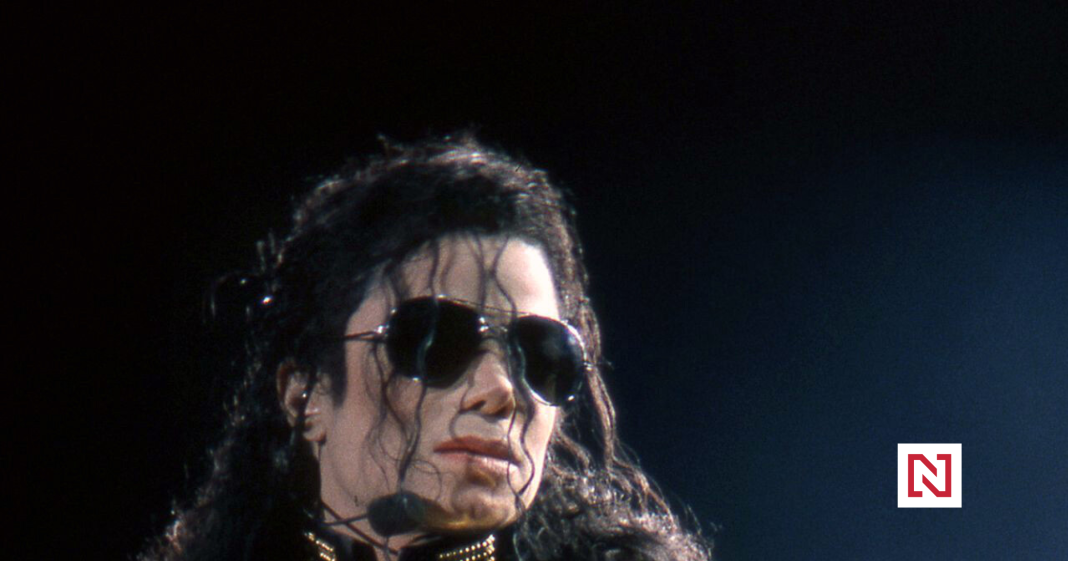

In a digital age dominated by rapidly changing trends, TikTok has emerged as a major player in the music and entertainment industry. With its unprecedented influence on music distribution and artist promotion, many are questioning whether TikTok is set to replace MTV, once the iconic staple for music exposure.
The Rise of TikTok: Changing the Music Landscape

TikTok’s emergence has forever altered how audiences interact with music. The platform’s algorithm-driven success stories have seen unknown artists propel to stardom overnight thanks to viral trends. Unlike MTV, which curated and broadcasted music videos, TikTok allows users to create and share content, effectively making anyone a potential content creator or trendsetter. This democratization has led to a new era of music discovery that is fast-paced and consumer-driven.
Moreover, TikTok’s influence extends beyond just promoting existing songs; it plays a crucial role in how music is produced. Artists now consider song snippets that may resonate well with TikTok’s format, aiming to create catchy hooks that can serve as the backbone for viral content. This shift is not only affecting new music but also bringing older songs back into the limelight as part of nostalgic trends.
MTV: From Dominance to Decline

Once upon a time, MTV was the cultural hub for music and youth culture. Founded in 1981, the channel revolutionized the music industry with its music video format, making it a coveted platform for artists seeking fame. MTV became more than just a music channel; it was a tastemaker, bringing iconic shows like “Total Request Live” and “Yo! MTV Raps” that defined musical eras.
However, with the rise of digital platforms, MTV’s influence started to wane. The shift from music videos to reality TV marked a change in focus, as the channel attempted to adapt to new viewer preferences. Yet, this strategy led to a loss of identity, leaving room for platforms like TikTok to take over its role as the cultural arbiter of music trends.
Impact on Artists and the Industry

For emerging artists, TikTok offers unparalleled opportunities that MTV could once only dream of providing. The platform allows artists to bypass traditional gatekeepers, sharing their music directly with massive audiences. Successful tracks often lead to record deals and chart success, making TikTok an essential tool for artists looking to make a mark in the industry.
This shift also impacts the established music industry, prompting record labels to include TikTok strategies as a core part of their marketing campaigns. Labels now closely monitor viral trends to understand what resonates with audiences, ensuring they stay relevant in this fast-evolving landscape.
The Future of Music Entertainment

While TikTok seems to hold the future of music in its grasp, questions remain about long-term sustainability. The platform faces its own challenges, including government scrutiny and the potential for market saturation. Additionally, the speed of content consumption on TikTok can sometimes undermine the depth of musical engagement.
Despite these challenges, TikTok’s innovative approach to music interaction is likely to continue shaping the industry. Other platforms are also taking note, trying to integrate similar features to keep up with the trend. As technology continues to evolve, the symbiotic relationship between music and digital platforms will likely strengthen, paving the way for newer forms of musical experience and discovery.
In conclusion, while MTV will always have a place in music history, the rise of TikTok signifies a new era in how music is consumed and created. As the digital landscape continues to evolve, the future of music entertainment promises to be as dynamic and unpredictable as the platform that now leads it.