
The advent of artificial intelligence and new technologies has revolutionized many aspects of modern life, particularly in terms of accessibility. As these innovations continue to evolve, there’s growing concern about the future of traditional accessibility tools like Braille.
The Role of Braille in Accessibility

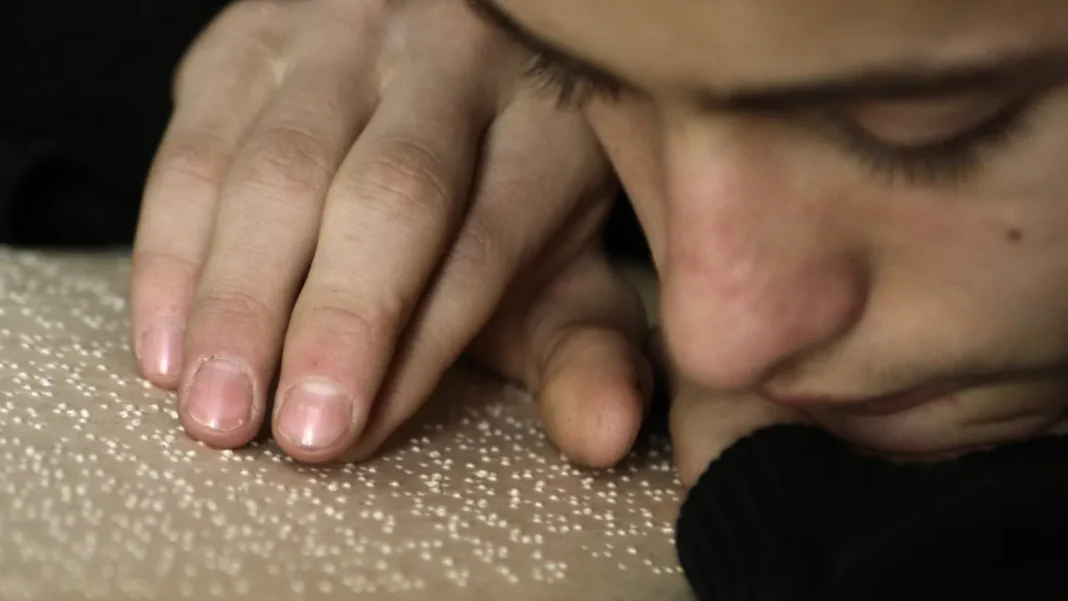
Braille has long been a cornerstone of accessibility for individuals with visual impairments. Developed in the 19th century, it transformed the way blind individuals access information and communicate. Braille enables them to read books, labels, and signs independently, playing a crucial role in education and daily life. Its tactile system of raised dots provides users with the ability to engage with text in a meaningful way.
Despite its continued importance, the usage of Braille is reportedly declining. Some attribute this to the growing availability of digital access tools that can potentially offer more convenience. Yet, for many, Braille remains irreplaceable in contexts where digital alternatives fall short, emphasizing its enduring significance in accessibility.
AI Innovations Enhancing Accessibility

Artificial intelligence (AI) has opened new doors for enhancing accessibility for individuals with visual impairments. Modern technologies, such as screen readers and voice-activated assistants, provide immediate access to information without the need for physical reading. These tools, powered by AI, can convert text to speech with remarkable accuracy and convey real-time information, making the world more accessible than ever.
AI-driven applications can recognize objects, identify faces, and describe surroundings, offering users an unprecedented level of independence. Nevertheless, these advancements are not without their limitations, as access to technology and the need for constant connectivity can present barriers for some users.
The Evolution of Educational Tools

In educational settings, AI technologies are complementing traditional learning methods and offering new opportunities for students with visual impairments. Digital textbooks, interactive learning platforms, and customized learning experiences are becoming more widespread, supplementing Braille and other tactile learning materials.
Organizations and schools are increasingly incorporating these tools to create more inclusive learning environments. However, the transition to digital tools must be managed carefully to ensure that traditional Braille literacy skills are not lost, as they remain essential for developing comprehension and writing skills.
Balancing Tradition and Innovation

The key challenge facing educators, technologists, and policymakers is to balance the benefits of new technologies with the preservation of valuable traditional methods like Braille. While AI and digital interfaces offer incredible potential, they should be integrated in a way that supports rather than supplants traditional skills.
This balance requires thoughtful consideration of the needs and preferences of individual users. By embracing a diverse range of tools and ensuring equitable access to both digital and tactile technologies, we can enhance accessibility while respecting and preserving the importance of Braille.
As technology continues to evolve, the integration of AI and traditional methods like Braille can provide a comprehensive approach to accessibility. By valuing both, society can ensure that all individuals have the tools they need for independence and success.