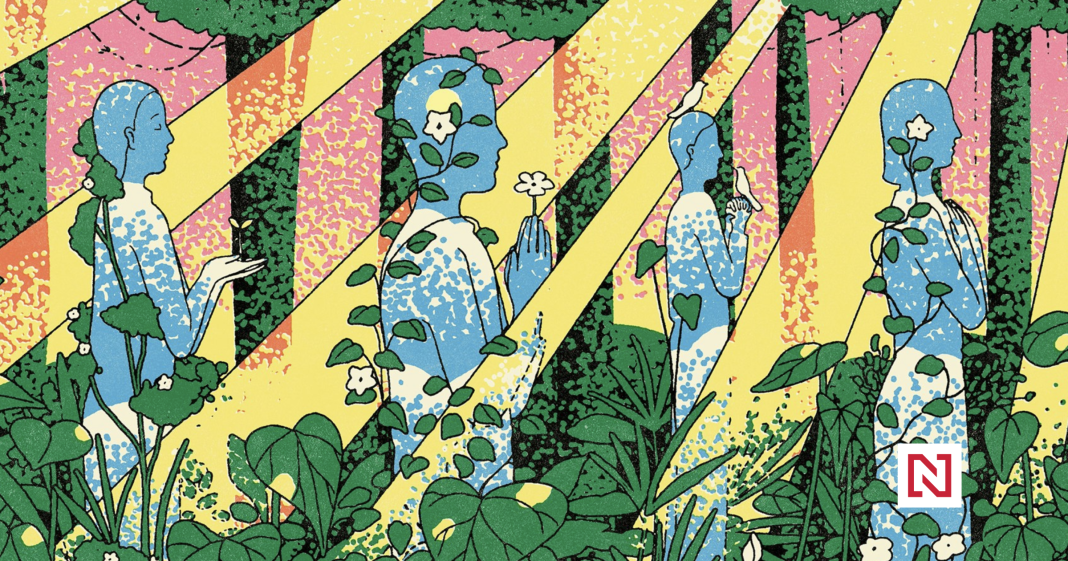

As our understanding of the environment deepens, the concept of preserving nature by regarding it as sacred has gained momentum. This approach emphasizes the profound connection between humans and nature and encourages protective and sustainable interactions.
The Concept of Sacred Nature

Seeing nature as sacred involves recognizing its intrinsic value beyond material utility. This perspective invites a shift from exploitation to stewardship. When natural landscapes are considered holy, they are more likely to be respected, preserved, and carefully managed. Various cultures throughout history have treated certain forests, mountains, and rivers as sacred, helping protect them from undue harm.
In modern times, this philosophy can inspire conservation efforts by fostering a collective sense of responsibility. By integrating traditional beliefs with contemporary environmental practices, communities around the world have begun to see nature conservation as a moral obligation.
Community Involvement and Education

One effective strategy for preserving nature is through community involvement and education. Grassroots movements often harness local knowledge and engage communities in preservation activities. Educational programs can instill a sense of connection and accountability among younger generations.
Community-led initiatives, such as tree planting and sustainable agriculture projects, empower individuals to safeguard their environment. Workshops and outdoor education activities can further bridge the gap between people and nature, making conservation a shared journey.
Integrating Spirituality with Conservation

Spirituality offers a powerful motivator in the conservation movement by embedding a sense of purpose in preserving the environment. Many spiritual practices encourage reverence for the Earth, promoting rituals and ceremonies that foster gratitude and awareness.
By aligning conservation goals with spiritual beliefs, people may find renewed motivation to protect natural resources. Religious and spiritual leaders often play a vital role in disseminating these ideals, advocating for policies that reflect respect for nature.
Policy and Legal Frameworks

For sacred nature conservation to be effective, supportive policy and legal frameworks are necessary. Governments can facilitate the protection of natural sites by recognizing them as culturally or spiritually significant. Legal designations such as national parks or heritage sites can offer additional layers of protection.
Policies that integrate environmental protection with cultural heritage can lead to sustainable management practices. Ensuring that legislative measures are informed by scientific research and community needs guarantees a holistic approach to conservation.
Viewing nature as sacred provides a profound and transformative framework for its preservation. By blending ancient wisdom with contemporary practices, we can inspire a renewed commitment to protecting our planet.