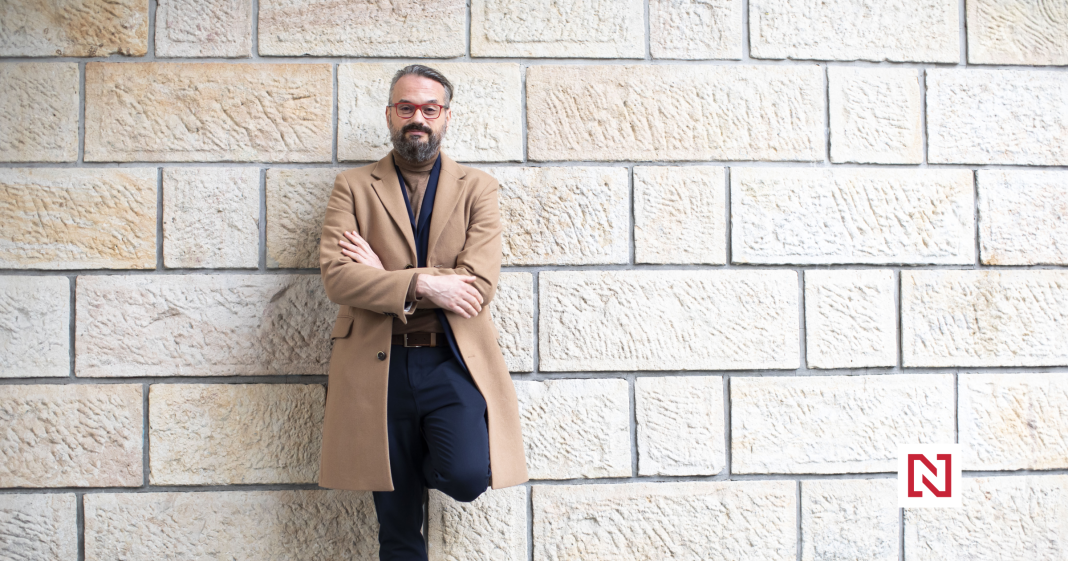

The psychological impact of current global crises cannot be underestimated. Psychotherapist Jan Vojtko shares his insights on navigating these challenging times, providing guidance on hope, healing, and resilience.
The Psychological Toll of Crises

In the face of ongoing global challenges, individuals around the world are experiencing significant stress and anxiety. Jan Vojtko, a respected psychotherapist, explains that these crises strain our mental health, often leading to feelings of helplessness and despair. According to Vojtko, understanding the psychological impact is the first crucial step in beginning the healing process.
He emphasizes that acknowledging these feelings is important, as they are natural responses to uncertain and difficult situations. By recognizing our emotional state, we can begin to implement strategies to manage and improve our mental well-being. This recognition helps us to take constructive steps toward recovery and resilience.
Hope as a Catalyst for Change
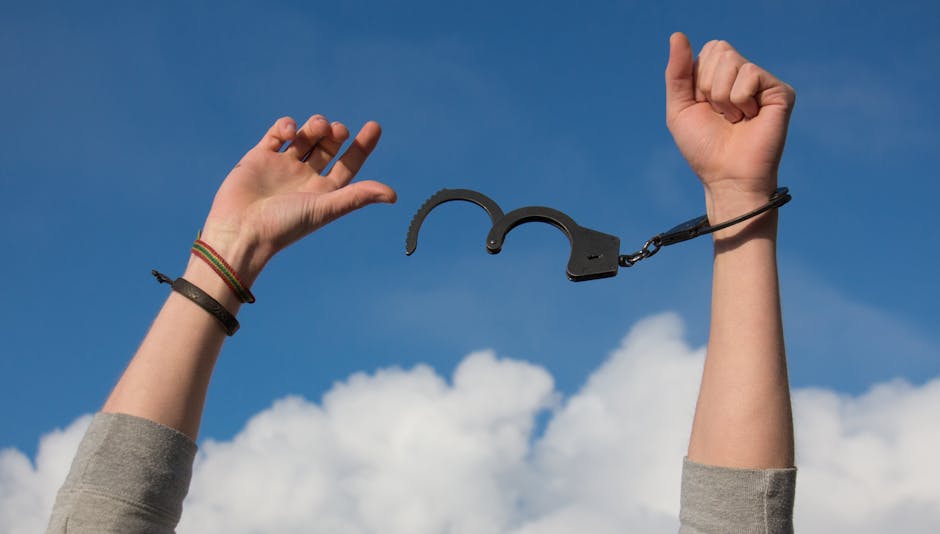
Hope plays a pivotal role in overcoming crises. Vojtko highlights that fostering hope is not about blind optimism, but rather about cultivating a realistic and positive outlook. He suggests that individuals seek out stories of resilience and recovery as inspiration, reminding us that adversity can be a catalyst for personal growth and societal change.
To maintain a hopeful perspective, Vojtko advises setting small, achievable goals and celebrating each success. This practice not only boosts motivation but also reinforces the belief that positive outcomes are possible, even in the toughest times.
Healing Through Connection

One of Vojtko’s key insights is the importance of connection in the healing process. In times of crisis, reaching out to others for support can be incredibly powerful. Whether it’s connecting with family, friends, or support groups, these relationships provide emotional sustenance and help us navigate our feelings more effectively.
Vojtko suggests utilizing digital tools to maintain these connections, especially when physical meetings are not possible. Regular communication through video calls or messaging apps can bridge the physical divide and offer the comfort of shared experiences and mutual support.
Building Resilience for the Future

Resilience is the ability to bounce back from adversities, and according to Vojtko, it is a skill that can be developed over time. He recommends engaging in mindfulness practices, such as meditation and deep breathing, to strengthen mental resilience. These practices promote relaxation and help manage stress.
Moreover, Vojtko advises incorporating physical activity into our daily routines, as it has proven benefits for both mental and physical health. Regular exercise boosts mood, improves focus, and enhances overall resilience, enabling us to face future challenges with greater fortitude.
Understanding and addressing the mental challenges posed by crises is essential. By focusing on hope, healing, and resilience, we can navigate these difficult times and emerge stronger and more connected than before.