

The integration of artificial intelligence (AI) in the workplace is transforming how individuals and organizations operate globally. As AI evolves, so do its applications, with some users seeing it as a supportive tool and others confronting unforeseen difficulties.
AI as a Personal Assistant

For many professionals, AI serves as a powerful personal assistant that aids in streamlining tasks. From automated scheduling and email management to advanced data analysis, AI tools enhance productivity and decision-making. In fields like finance and marketing, AI algorithms analyze vast datasets to identify trends and offer predictive insights that help businesses stay ahead of the curve.
Moreover, AI-driven chatbots and virtual assistants are revolutionizing customer service. By handling routine inquiries, these tools allow human agents to focus on complex customer interactions, thereby improving efficiency and satisfaction. AI’s ability to learn from interactions means that it continues to evolve, providing increasingly personalized assistance.
Challenges and Ethical Concerns

Despite its benefits, AI at work also brings certain challenges, particularly regarding privacy and data security. The vast amounts of data required to train AI models raise concerns about how this information is stored and used. Organizations must ensure robust cybersecurity measures to protect sensitive information from breaches.
Furthermore, there’s a growing discourse on the ethical implications of AI in decision-making processes. As AI systems become more autonomous, questions arise about accountability in instances of errors or biases. Organizations need to establish clear ethical guidelines and oversight to prevent misuse and ensure transparency.
Leveraging AI for Innovation
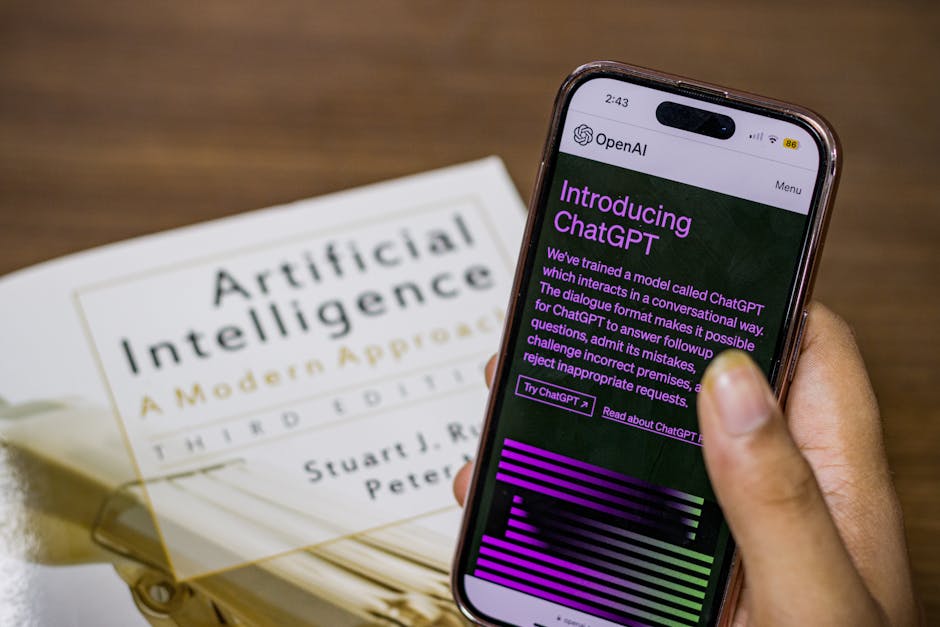
AI is driving innovation across various industries, fostering new business models and services. In healthcare, AI-powered tools assist in diagnosing diseases and developing personalized treatment plans, drastically improving patient outcomes. Similarly, in manufacturing, AI enhances predictive maintenance and quality control, reducing downtime and increasing efficiency.
Beyond specific sectors, AI inspires creativity through tools that support artistic endeavors. From generating music and art to facilitating creative writing, AI’s capacity to augment human creativity is pushing the boundaries of traditional art forms.
AI and the Future Workforce

The integration of AI in workplaces is reshaping the future workforce. As some roles become automated, new job categories emerge, requiring skills that merge technical expertise with creativity. This shift demands reskilling and upskilling initiatives to prepare employees for AI-centric environments.
Collaboration between humans and AI is becoming the norm, emphasizing the importance of adaptability and ongoing education. Organizations play a crucial role in fostering a culture of continuous learning, equipping employees with the tools and knowledge to thrive alongside AI.
As AI continues to evolve, its impact on the workplace grows more significant. By embracing its capabilities while addressing its challenges, organizations can harness AI as a pivotal tool in achieving growth and innovation.