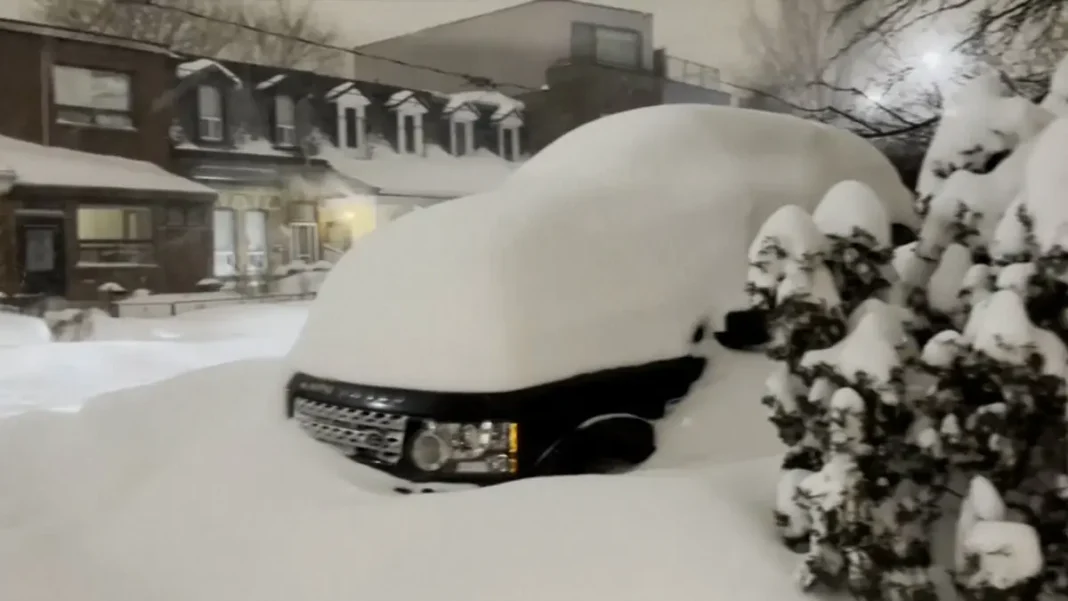

In an extraordinary weather phenomenon, Toronto recently experienced a record-breaking blizzard, with half a meter of snow accumulating in just six hours. This unprecedented event has left the city grappling with its aftermath and has sparked widespread discussions on climate adaptations.
Impact on Daily Life

The sudden snowstorm disrupted daily activities across Toronto, leading to significant transportation challenges. Roads quickly became impassable, forcing school closures and work-from-home mandates for many businesses. Public transport services, including bus and train lines, saw massive delays and cancellations, leaving commuters stranded.
Emergency services were on high alert, responding to a surge in calls related to weather-induced accidents and medical emergencies. The city’s infrastructure was tested to its limits, as snowplows worked tirelessly to clear main streets, while residents struggled to shovel their driveways.
City’s Response and Preparedness

While Toronto is no stranger to winter weather, the magnitude of the blizzard caught many by surprise, prompting an evaluation of the city’s preparedness measures. Authorities have emphasized the need for enhanced weather forecasting systems to provide better early warnings and preparations for such extreme events.
The response from the city involved deploying additional resources to ensure public safety and maintain essential services. This included opening emergency shelters for those without safe housing and collaborating with local organizations to offer support to vulnerable populations.
Environmental Implications

This blizzard has raised concerns about the broader implications of climate change, with experts suggesting that such extreme weather events may become more frequent. The sudden accumulation of vast amounts of snow highlights the volatile nature of the climate system.
Research is ongoing to understand the link between global climate patterns and local weather extremes. The data gathered from this storm will be invaluable for scientists and policymakers aiming to mitigate the impacts of climate shifts.
Community Efforts and Resilience

In the wake of the blizzard, community efforts have played a crucial role in recovery. Neighbors have come together to assist each other by clearing snow, sharing resources, and providing moral support during this challenging time. Such acts of solidarity and resilience underscore the strength of community bonds in facing adversities.
Local charities and volunteer organizations have also mobilized to offer additional aid, ensuring that the most affected individuals receive the help they need. These efforts highlight the importance of community engagement in overcoming natural disasters.
As Toronto recovers from this extreme weather event, the focus remains on improving future preparedness and fostering community resilience to face similar challenges.
Source: Official Toronto City website.