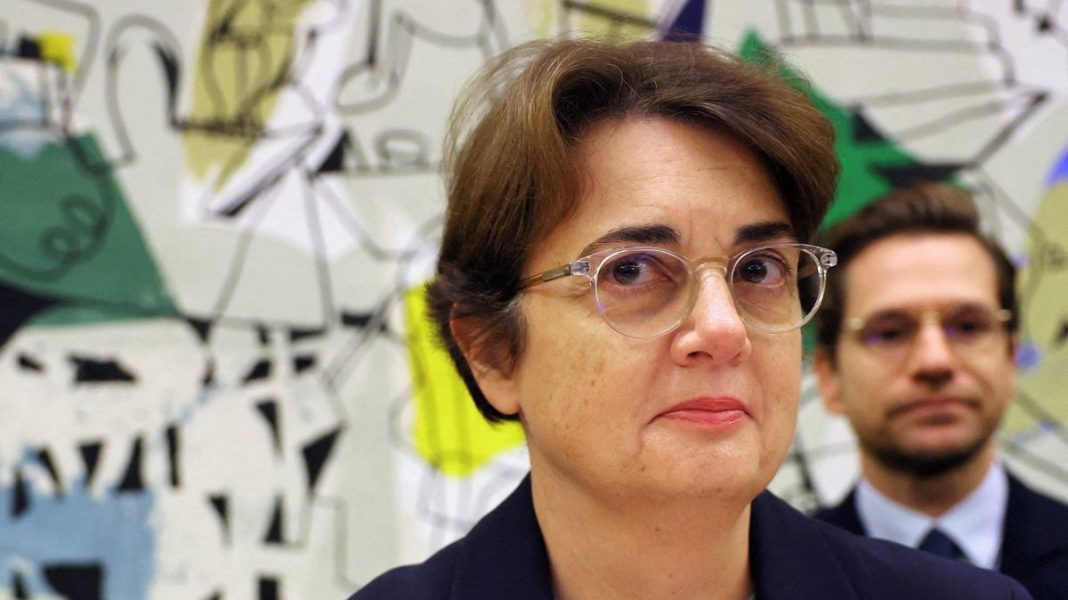

French President Emmanuel Macron has accepted the resignation of Laurent Des Cars as the director of the Louvre, one of the most prestigious art institutions in the world. Des Cars’ unexpected departure has raised questions about the leadership and direction of the iconic museum.
Laurent Des Cars: A Brief Tenure

Laurent Des Cars was appointed as the director of the Louvre in 2021, becoming the first woman to hold the position in the museum’s long history. Her tenure, albeit short, was marked by several ambitious projects and initiatives aimed at modernizing the museum’s approach and enhancing its global reach. Des Cars was known for her commitment to cultural accessibility and her efforts to digitize a vast portion of the museum’s collection.
Her resignation comes amid a backdrop of ongoing efforts to reinvigorate the museum post-COVID, with strategies including enhanced digital offerings and inclusive exhibitions designed to attract a wider audience. While her departure is unexpected, it aligns with a broader reshuffling of leadership across major cultural institutions.
Implications for the Louvre
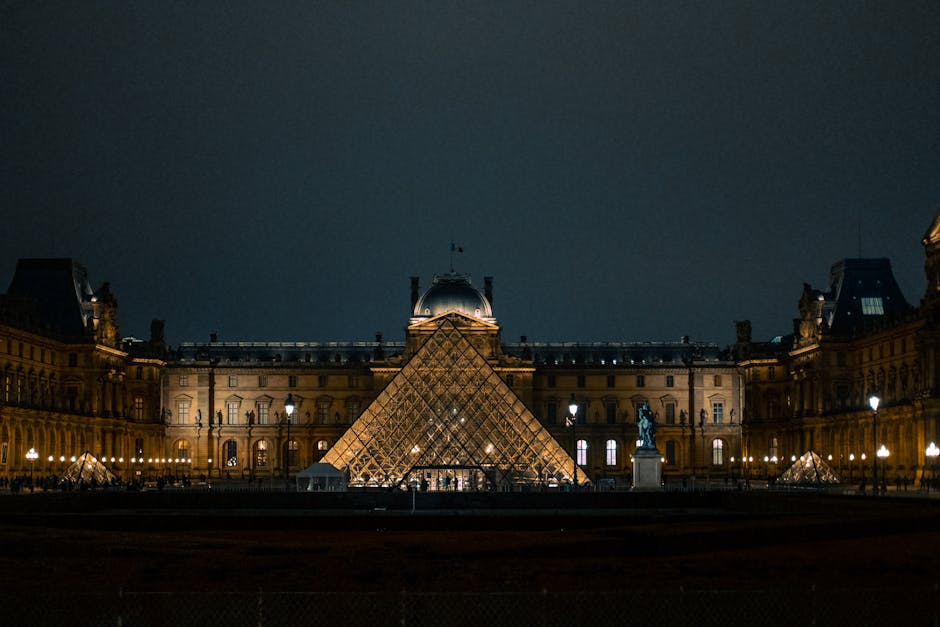
The resignation of Des Cars may have significant implications for the Louvre. Her leadership was characterized by a forward-thinking approach, with a focus on integrating technology and building global partnerships. The museum must now navigate the challenge of finding a successor who can continue this trajectory while bringing their own unique vision.
Des Cars’ departure might also impact ongoing projects, such as the digitization of the museum’s archives and ongoing collaborations with international museums. As the Louvre seeks a new director, the challenge will be to ensure continuity in its ambitious plans while adapting to the changing landscape of cultural consumption.
The Future of Museum Leadership

Des Cars’ resignation highlights broader trends in museum leadership, where adaptability and innovation are increasingly crucial. As museums worldwide grapple with declining attendance and the need to engage with digital audiences, leaders must balance traditional curatorial expertise with a modern, adaptive strategy.
This leadership transition comes at a critical time when cultural institutions face financial strains and evolving public expectations. The choice of Des Cars’ successor will be pivotal in determining how the Louvre navigates these challenges and possibly sets a precedent for other museums.
Global Reactions and Expectations

Globally, the resignation has sparked discussions within the art and cultural community, with many speculating on the reasons behind Des Cars’ departure and the potential impact on the museum’s international collaborations. The choice of a new director will likely attract significant attention, not only in France but also from art institutions worldwide.
The new leadership will be expected to maintain the Louvre’s reputation as a bastion of cultural heritage while also pushing boundaries to keep the museum relevant in an ever-evolving cultural landscape. The global art community is keenly watching to see who will take on the challenge of leading one of the world’s most iconic museums.
The departing director’s initiatives have left a lasting impact on the Louvre, and her successor will inherit both the challenges and opportunities she highlighted. The art world awaits the next chapter in the history of this storied institution.
Source: Official Louvre website.