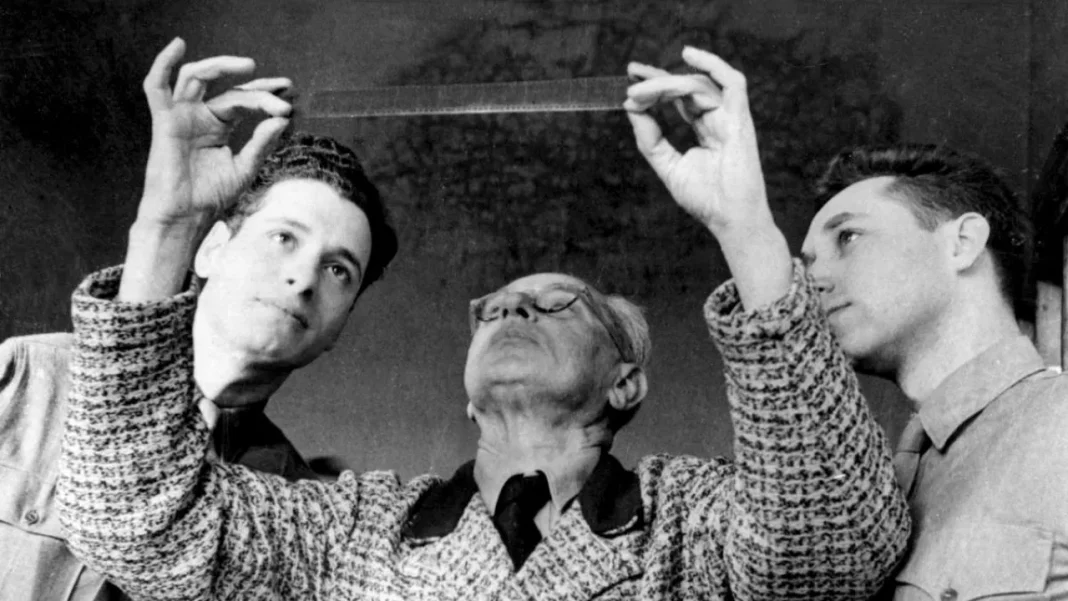

The rediscovery of a film used as evidence in Nazi trials has resurfaced, thanks to the efforts of two American brothers. This remarkable find has reignited interest in historical trials and the role of visual documentation in post-war justice.
Uncovering the Film’s Origins

The film, once used to prosecute Nazi war criminals, was thought lost until the recent discovery by the brothers during a family estate cleanup. The footage was initially recorded to document Nazi atrocities, serving as a potent tool during the Nuremberg Trials. Experts now believe this rediscovery offers fresh insights into the intricacies of those landmark legal proceedings.
Historically, the use of film and photography in these trials marked a pivotal moment in legal history, setting precedents for future international tribunals. The newly unearthed footage not only broadens the scope of historical documentation but also emphasizes the importance of visual evidence in the judicial process.
The Role of Film in the Nuremberg Trials

The Nuremberg Trials were crucial in the prosecution of high-ranking Nazi officials after World War II. Visual evidence, including film and photographs, played a significant role in substantiating the horrors of the Holocaust and other war crimes committed by the regime. The rediscoverable film in question highlights the meticulously documented testimony that punctuated these proceedings.
The procedures used in these trials set a foundation for subsequent war crime tribunals, demonstrating the undeniable impact of visual media in conveying the gravity of genocide and other gross human rights violations.
The Rediscovery Process

The American brothers stumbled upon this forgotten piece of history while sorting through their late grandfather’s belongings. Initial curiosity led them to investigate further, revealing tapes that had been stored away for decades. Their efforts not only sparked renewed interest but also prompted historians and archivists to assess the significance of such materials in the context of historical documentation.
By collaborating with historical societies and film preservation experts, the brothers have ensured that this crucial piece of history will not be lost again, making it accessible for future generations to study and understand.
Implications for Historical Research

The rediscovery of this film has broader implications for historical research, particularly in how we interpret and utilize visual media as evidence. The footage enriches our understanding of the Nuremberg Trials, providing an unaltered lens through which contemporary audiences can grasp the emotional and factual weight of these historical events.
This newfound material could spark further academic inquiry, leading to potential revisions in historical narratives or even inspire new research initiatives focusing on the historiography of Nazi trials and the evolution of international justice systems.
This development highlights the ongoing relevance of historical rediscoveries in enhancing our understanding of the past, proving once again that there is always more to uncover within the annals of history.