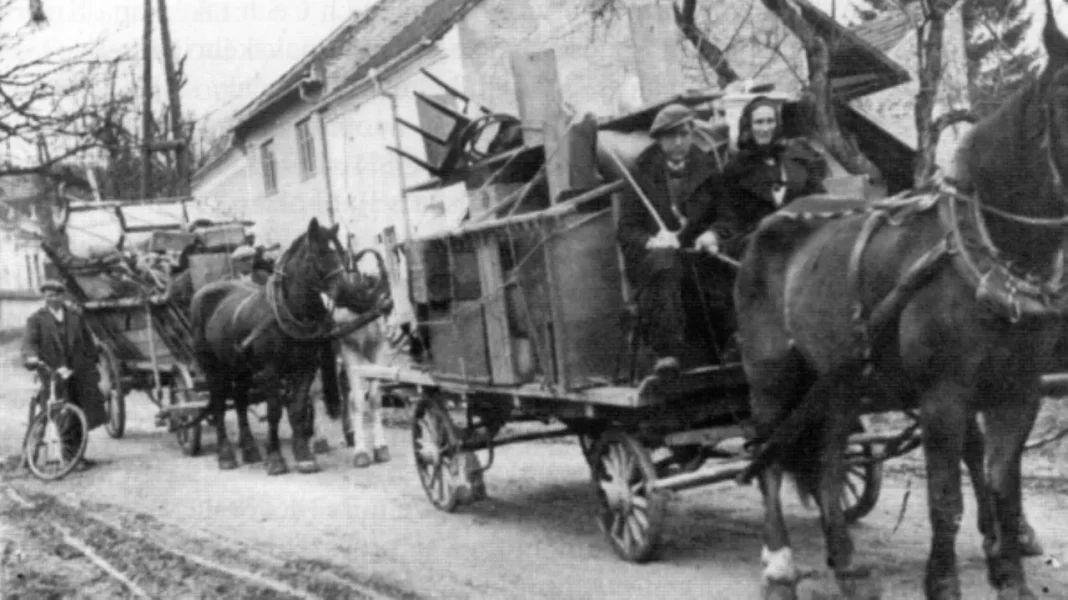

As communities evolve and cities expand, the reality of relocating for progress takes its toll on residents. For some, the move feels like being expelled from a familiar nest, a sentiment echoed by many from a rural Czech village forced to relocate.
The Village’s Displacement
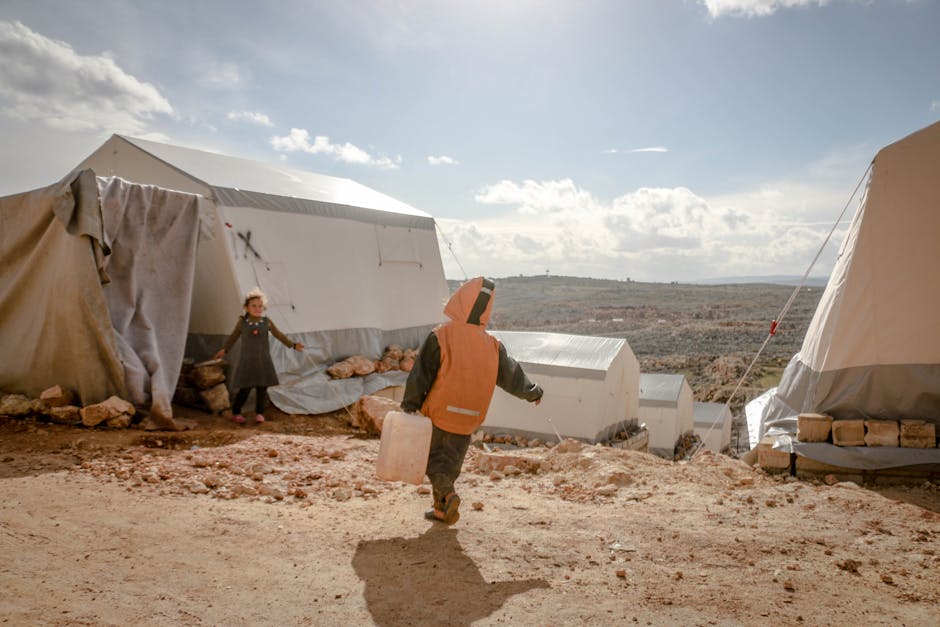
The relocation of an entire village is never an easy task. For the residents of the village in question, the need for urban development led to their displacement. This small community was driven by modernization efforts to relocate, making room for new infrastructure and expansion.
Residents, many of whom had spent generations in the village, faced a compulsion to move. This relocation was necessary to accommodate growing demands for space in a rapidly urbanizing region, a situation that many communities in Czechia have confronted as the country modernizes.
The decision to relocate sparked mixed emotions. Some viewed it as an opportunity for greater resources and better facilities, while others felt an irreplaceable loss of their familiar environment and community bonds.
Emotional Impact on Residents

For many, leaving the village wasn’t just about changing their physical location; it was a deep emotional upheaval. The village was more than homes; it was a repository of memories, relationships, and a distinct way of life.
The feeling of being uprooted from a community that had shaped their identity left many residents feeling like “birds expelled from the nest.” The emotional weight of leaving behind family shrines, local traditions, and the comforting routines of village life created a profound sense of disorientation.
Residents had to reconcile their attachment to the past with the necessity of embracing an unknown future. This transition, while promising progress, required an adjustment to a new reality—one without the intimate landscape that they once called home.
Resettlement Challenges

The challenge of resettling extended beyond the emotional. Practical aspects such as sourcing new employment, adapting to different schools, and integrating into new social environments posed significant hurdles.
For some, the move included opportunities like better infrastructure and improved services, contrasting sharply with the more limited offerings in rural locales. However, the transition required resilience and resourcefulness as they adapted to a faster-paced lifestyle.
Community support networks played a crucial role in easing the transition, providing a semblance of the tight-knit bonds that defined their village life. This helped many find a sense of belonging in their new homes, albeit gradually.
Looking to the Future

Despite initial resistance, many displaced residents are finding ways to adapt and thrive in their new environments. They are building new connections, nurturing a blend of old traditions with new experiences, and forging paths that honor their heritage while embracing modernity.
Support initiatives from local government and social organizations have been instrumental in aiding this transition, offering programs and resources tailored to help displaced residents integrate smoothly.
The story of this village is a testament to human resilience and adaptability, embodying a journey of transformation that acknowledges loss while heralding new beginnings.
In conclusion, the relocation of these villagers illustrates the complex interplay between progress and tradition. While the challenge of change is undeniable, it also reveals the enduring spirit of community and the hopeful pursuit of new possibilities.