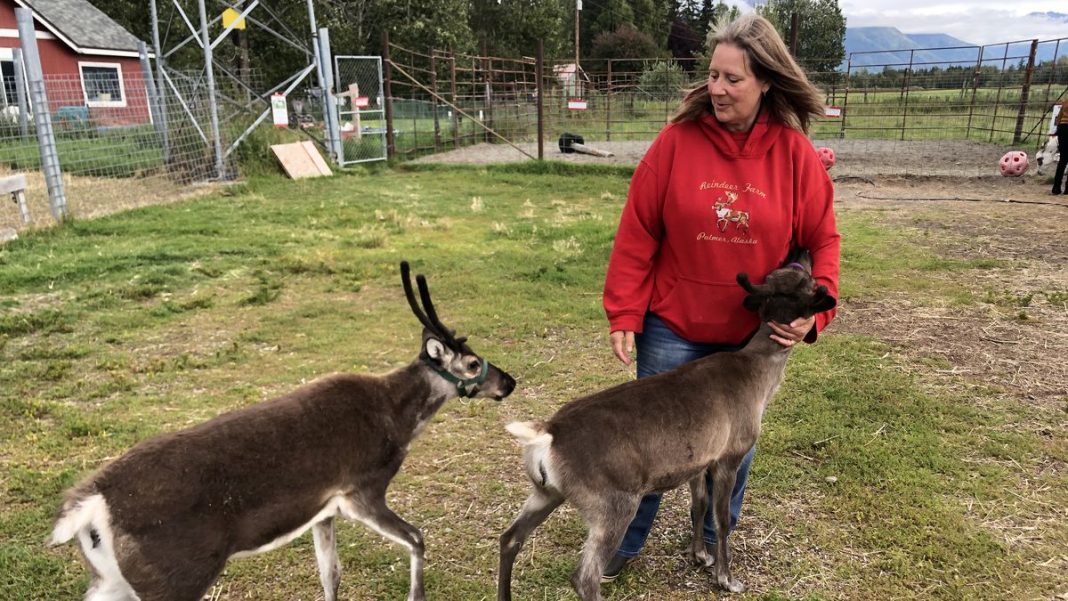

In a region well-known for its hunting culture, a local farmer has taken a compassionate approach by rescuing wildlife, offering a striking contrast to the prevailing practices. His efforts have not only provided refuge to animals but have also sparked discussions on conservation and coexistence.
A Safe Haven for Wildlife
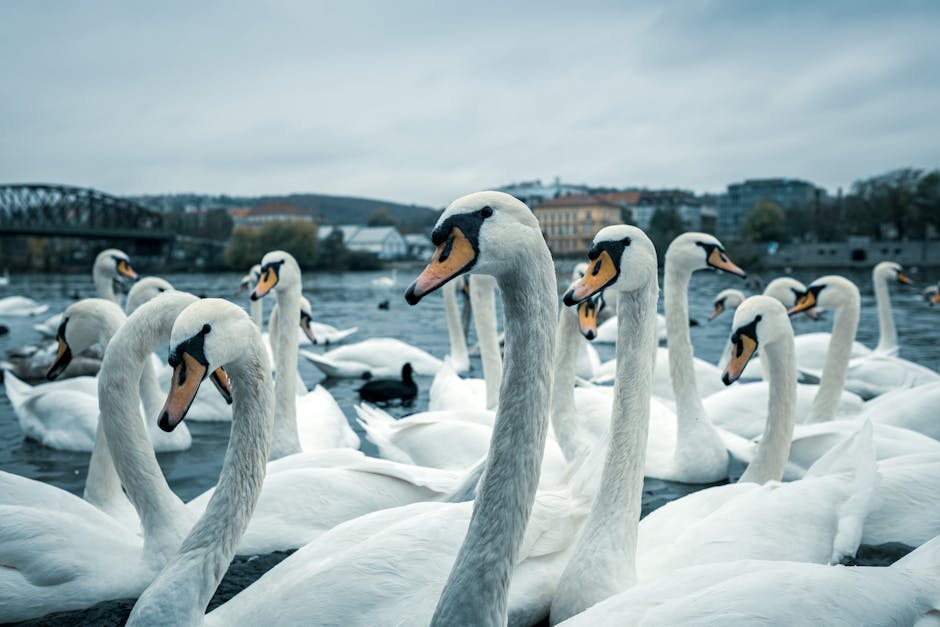
The farmer, who remains unnamed to protect the location of his sanctuary, has dedicated his land to providing a safe haven for various species of wildlife. Unlike the surrounding areas where hunting is a common activity, his property serves as a refuge where animals can thrive without the threat of hunters. This significant transformation of land usage has already begun to attract a variety of animals, including rare and endangered species.
Creating this sanctuary involved transforming previously cultivated land into a wildlife-friendly environment. The farmer has planted native vegetation to support local ecosystems, providing both food and shelter. These efforts demonstrate the profound impact individual actions can have on biodiversity and ecological stability.
The Challenges of Conservation

Converting farmland into a wildlife sanctuary is not without its challenges. The farmer faces difficulties ranging from financial constraints to opposition from neighboring landowners accustomed to commercial hunting. However, his determination is driven by a genuine commitment to preserving nature and protecting vulnerable species.
Financial barriers are particularly significant, as the cost of maintaining such a sanctuary can be substantial. Despite these challenges, the farmer remains steadfast in his mission, often relying on personal resources and support from like-minded conservationists to sustain his efforts.
Impact on Local Community

The sanctuary has started to impact the local community by raising awareness about the importance of wildlife conservation. It has opened up opportunities for educational activities and has become a focal point for discussions on sustainable living and land management.
Visitors are frequently educated on the benefits of nurturing biodiversity and the ecological importance of each species. The farm has also sparked interest in eco-tourism, attracting nature enthusiasts eager to learn and contribute to conservation efforts.
Looking to the Future

Looking ahead, the farmer envisions expanding his sanctuary and introducing more comprehensive conservation programs. He hopes to collaborate with environmental organizations to secure additional funding and resources, thereby enhancing the sanctuary’s infrastructure and capacity.
His efforts have not only provided immediate relief for local wildlife but also present a blueprint for other landowners interested in participating in conservation. The farmer’s work underscores the potential for harmonious coexistence between human activities and nature, inspiring a new approach to land stewardship.
In conclusion, this farmer’s sanctuary stands as a beacon of hope and a testament to the power of individual action in wildlife conservation. By turning his land into a refuge, he challenges the norms of his region and paves the way for a more sustainable future.
Source: Official [entity name] website.