
Prague’s Invalidovna Complex stands as a testament to the rich history and architectural grandeur of the city. As an important cultural landmark, it continues to captivate historians, tourists, and locals alike with its storied past and promising future.
The Historical Significance of Invalidovna

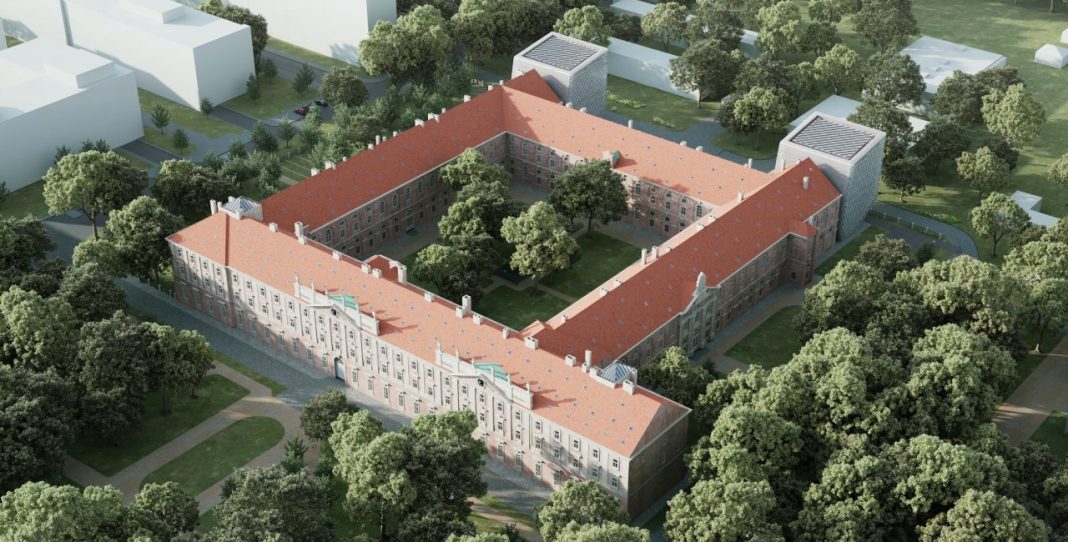
Built between 1731 and 1737, Prague’s Invalidovna was originally designed by architect Kilián Ignác Dientzenhofer. It served as a home for war veterans who were unable to care for themselves, a mission reflected in its name. The complex drew inspiration from Les Invalides in Paris and was part of a broader European trend to provide care for wounded soldiers. Today, it remains an enduring symbol of humanitarian efforts in historical contexts.
For many years, Invalidovna stood as a key institution within Prague and has been featured in numerous historical texts and studies. Its design showcases Baroque architectural styles, characterized by bold structures, intricate ornamentation, and harmonious balance, making it a point of interest for both historians and architectural enthusiasts.
The Evolution of Invalidovna

Over the centuries, the role of Invalidovna has evolved considerably. While its original function as a veterans’ care home dwindled, the complex took on new life, hosting various institutions and serving different community needs. This adaptability contributed significantly to its preservation and relevance through the ages.
In more recent decades, Invalidovna has been repurposed for cultural events and exhibitions, enhancing its status as a vibrant cultural hub within Prague. Such transformations have allowed it to stay connected with both its historical essence and contemporary societal roles.
Current Restoration and Preservation Efforts

The Invalidovna Complex is currently undergoing significant restoration efforts aimed at preserving its grandeur and preparing it for future generations. These initiatives are vital to maintaining its structural integrity while ensuring compliance with modern safety and accessibility standards.
Conservationists and city planners work tirelessly to retain the original architectural features of the complex, respecting its historical significance while integrating modern conveniences. This balance is crucial in preserving the identity of Invalidovna and safeguarding its legacy.
The Future of Invalidovna: A Cultural Nexus

Looking ahead, there are plans to further develop Invalidovna into a major cultural and community center. The vision includes transforming parts of the complex into exhibition spaces, event venues, and interactive museums that highlight Prague’s rich history and cultural diversity.
These developments aim to bolster Prague’s tourism and cultural sectors, offering new opportunities for community engagement and international collaborations. As Prague continues to grow as a global cultural capital, Invalidovna is poised to play a central role in this transformation.
The Invalidovna Complex, with its remarkable historical legacy and strategic modern adaptations, promises to remain a captivating and integral part of Prague’s cultural landscape for years to come.