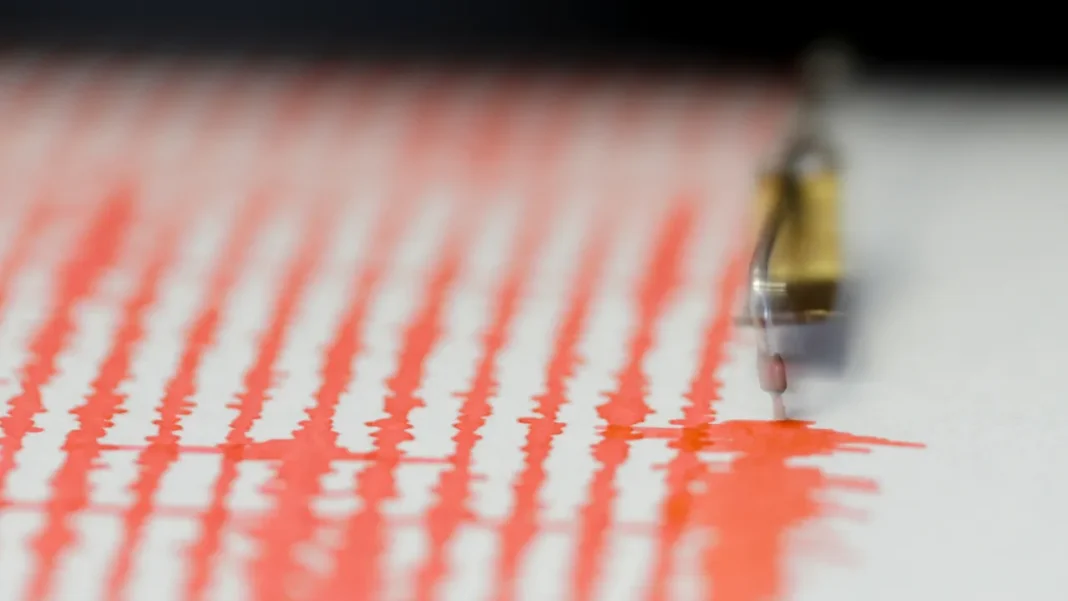
Residents of Chebsko and Sokolovsko were startled by a mild earthquake registering a magnitude of 3.0, causing windows to rattle and nerves to fray. While no significant damage has been reported, the tremor has sparked conversations about regional seismic activity.
Details of the Tremor

The earthquake struck in the early hours, with an epicenter located near Chebsko, close to the German border. Residents reported hearing a low rumble followed by noticeable shaking for several seconds. Many took to social media to express their surprise and concern, although thankfully, there have been no immediate reports of injuries or substantial damage.
Seismic experts confirmed the shallow depth of the earthquake, which contributed to its noticeable impact despite the moderate magnitude. This region, although not prone to frequent large earthquakes, does experience minor tremors occasionally, attributed to tectonic movements along fault lines.
Response from Authorities

Local emergency services were quick to address public concerns, assuring residents that there was no significant risk from aftershocks. Officials urged the public to remain calm while staying informed through verified channels to avoid misinformation. Emergency protocols were not activated, given the low severity of the event.
Authorities also emphasized the importance of earthquake preparedness, providing guidelines on how residents can secure their homes against future seismic events, no matter how minor.
Impact on the Community

The earthquake served as a reminder of the geological activity beneath the region, prompting discussions on building safety standards. Local government plans to review existing regulations to ensure infrastructure resilience against potential future tremors.
Schools and businesses resumed as usual, albeit with some planning brief emergency drills for preparedness. The event underscored the need for robust community awareness regarding natural phenomena.
Understanding Regional Seismic Activity

Chebsko and Sokolovsko lie in a seismically active area, part of the broader European seismic zone. Experts from geological institutes have often monitored the region to better understand the tectonic dynamics.
Studies suggest that while significant earthquakes are rare, the likelihood of minor tremors remains due to ongoing tectonic stress. This informs future infrastructure planning and public safety measures.
Public Reactions and Sentiments
Social media buzzed with first-hand accounts from residents experiencing their first tremor, while long-time locals shared past experiences, fostering a sense of shared resilience. The event prompted discussions on social media about natural disaster preparedness at home.
While the earthquake caused temporary unease, it also revitalized community bonds, reminding residents of the power of nature and the importance of preparedness.
Source: Official Czech Geological Survey website.