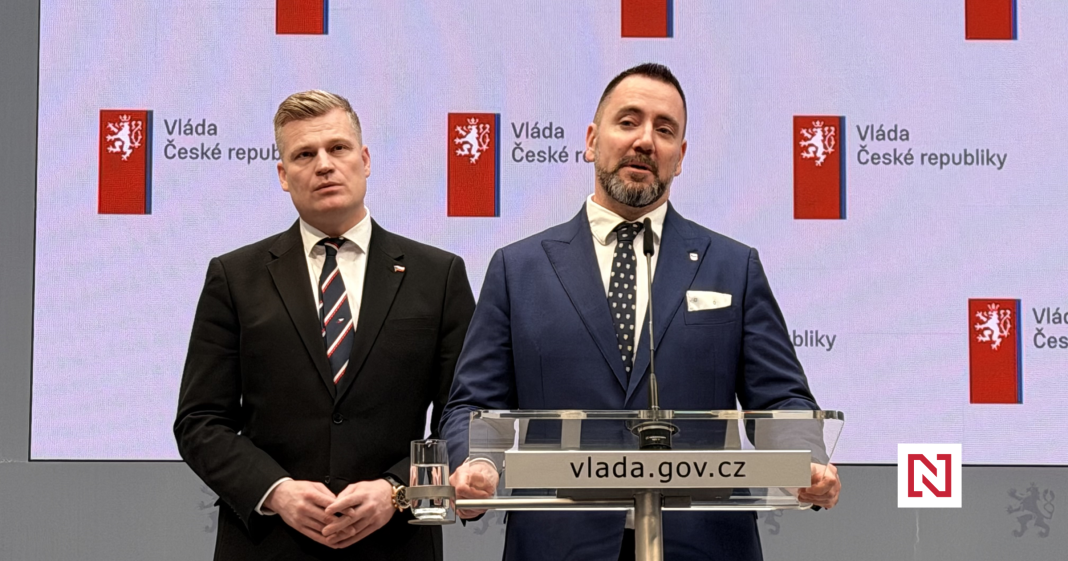

The increasing attention of drivers to Igor signals significant changes in the driving landscape. Understanding this shift can inform drivers about its implications for their journeys.
Who is Igor and Why the Focus?

Igor appears to represent a significant development in the driving community. Whether it refers to a new navigation system, a prominent figure in the transport sector, or an innovative technology, the focus on Igor suggests an influence on how drivers plan and execute their journeys. This shift can be attributed to increased efficiency, safety, or cost-effectiveness that Igor brings to the table.
For many in the industry, adopting Igor might mean adapting to new technologies or strategies that could redefine conventional driving methods. This transition marks a potential turning point in modern driving practices.
Impact on Daily Commutes

With drivers shifting their attention to Igor, the daily commute could undergo noticeable changes. If Igor is a new navigation system, it may offer real-time updates, improving route selection and reducing travel time. Alternatively, if Igor represents an industry leader or policy change, drivers might face new regulations or driving conditions affecting their routes and schedules.
For many urban and suburban drivers, these changes could manifest in less congested roads and more predictable travel times, making commuting a less stressful experience.
Adapting to New Technologies

If Igor embodies a technological advancement, drivers may need to familiarize themselves with new tools and interfaces. This could involve learning new apps or integrating smart technology into vehicles, which might enhance driving safety and convenience.
Training and adaptability will be crucial for drivers as they incorporate these innovations into their daily routines. This means staying updated with the latest developments and being open to new ways of managing driving logistics.
Future Implications for the Transport Sector
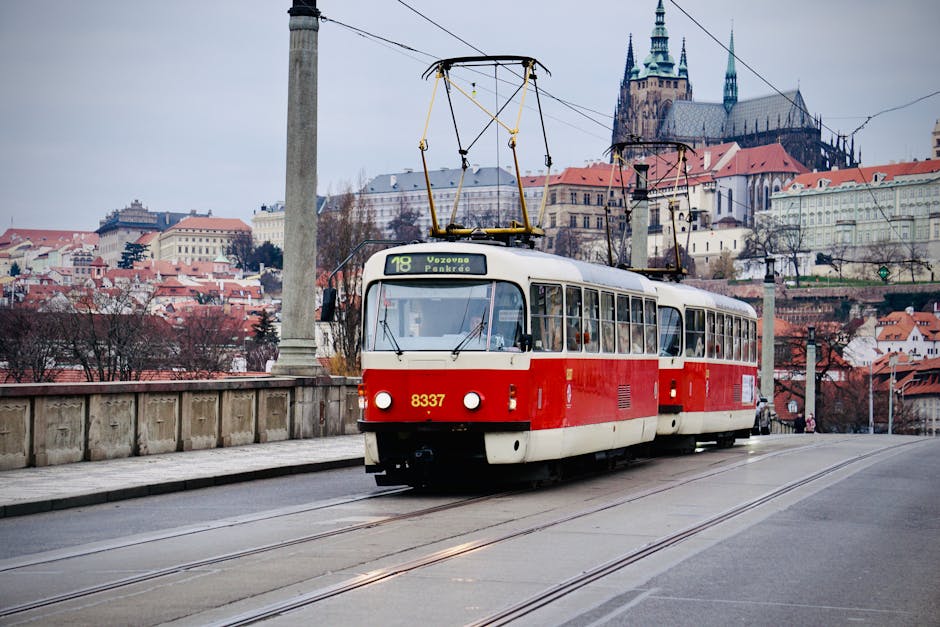
The focus on Igor could herald a broader transformation within the transport industry. This might involve increased digitalization, shifts in policy, or the advent of new mobility solutions. Long-term, this focus may significantly impact infrastructure planning and environmental policies.
Understanding and participating in this shift could position drivers and stakeholders to better adapt to potential changes in transportation dynamics and regulations.
In conclusion, the shift in focus to Igor represents a pivotal development in the transport sector. Drivers should stay informed and adaptable to make the most of the opportunities presented by this change.