

Heart failure is often perceived as a chronic condition that gradually worsens over time. However, recent insights from the medical community suggest that its prognosis can be more severe than many types of cancer. Understanding the intricacies of heart failure is crucial for patients and healthcare providers alike.
Understanding Heart Failure

Heart failure occurs when the heart is unable to pump blood effectively, leading to a cascade of health issues. Unlike other cardiac diseases, heart failure is a progressive condition that can severely impact the quality of life. It is often caused by various underlying health issues, such as coronary artery disease, hypertension, or previous heart attacks.
Despite advances in medical treatments, managing heart failure remains challenging. Patients commonly experience symptoms like shortness of breath, fatigue, and fluid retention. As the condition progresses, these symptoms intensify, necessitating more aggressive treatment plans.
Comparing Prognosis with Cancer

While cancer diagnoses often evoke a sense of urgency, heart failure can be equally, if not more, dire. Studies indicate that the life expectancy of heart failure patients can be shorter than those diagnosed with some cancers. The unpredictability of heart failure exacerbations and complications contributes to its grim prognosis.
Moreover, heart failure often leads to frequent hospitalizations and a decreased quality of life. Patients may become unable to perform daily activities, significantly affecting mental health. Effective management hence requires a comprehensive approach, blending medical treatment with lifestyle modifications.
Advancements in Treatment

In recent years, significant advancements have been made in the treatment of heart failure. New medications, such as angiotensin receptor-neprilysin inhibitors and SGLT2 inhibitors, offer hope by improving survival rates and reducing hospitalizations. These drugs work by addressing various aspects of heart failure pathology, offering a multifaceted approach to management.
Additionally, the use of implantable devices such as pacemakers and ventricular assist devices has proven beneficial. These technologies help optimize heart function, making a substantial difference in patient outcomes when medical therapies alone are insufficient.
Importance of Early Detection and Lifestyle Changes
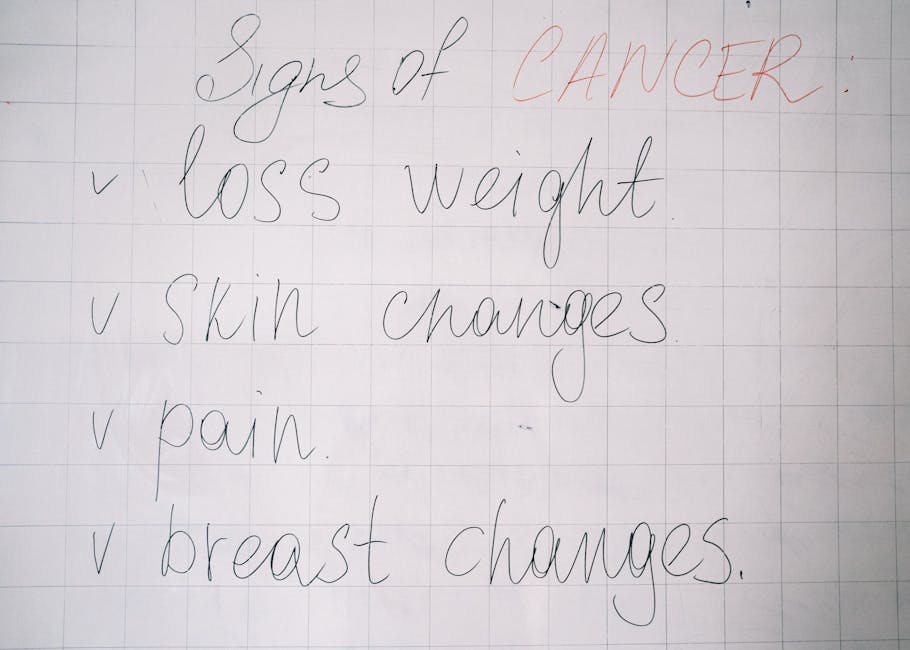
Early detection of heart failure is critical. Regular check-ups and screenings can identify risk factors and symptoms before they become severe. Physicians often recommend lifestyle changes such as dietary modifications, regular exercise, and smoking cessation as foundational steps in managing this condition.
Patient education and proactive health management can help delay the progression of heart failure. Understanding the importance of adhering to medication regimens and continuous monitoring can empower patients to take control of their health.
The grim prognosis of heart failure compared to some cancers underscores the need for awareness, early detection, and comprehensive management strategies. With ongoing research and treatment advancements, there is hope for better outcomes and improved quality of life for those affected.