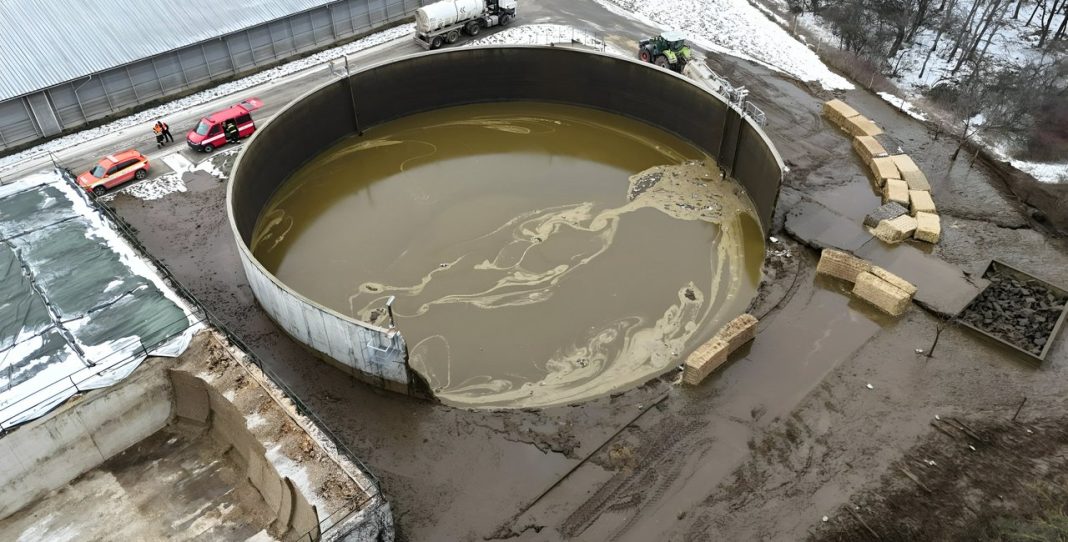

The Czech Republic is facing an environmental crisis as a massive manure leak threatens the biodiversity and water supply in one of its national parks. Local authorities are racing against time to mitigate the effects of the spill, which could have severe ecological and economic repercussions.
The Scale of the Manure Leak
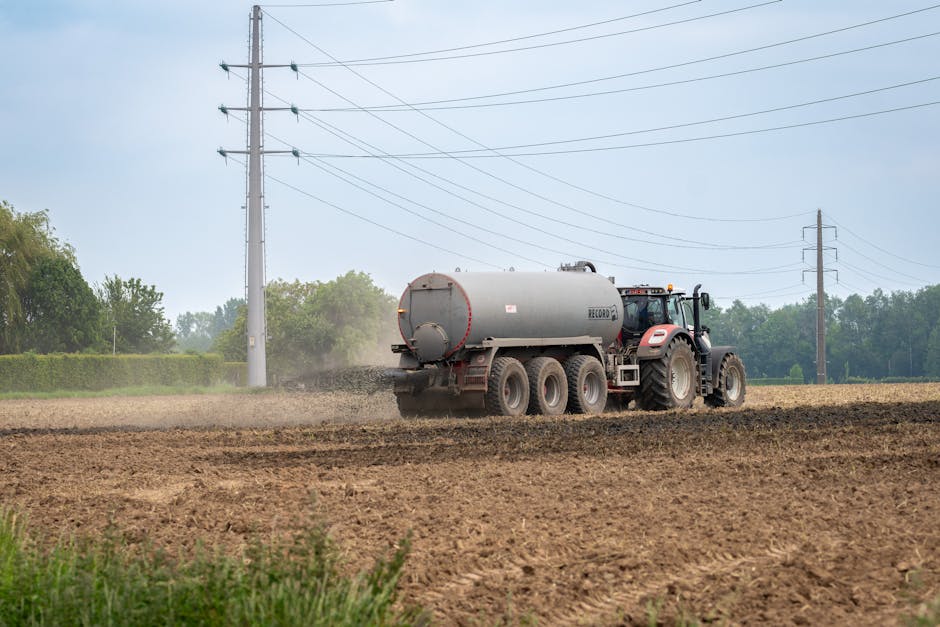
The leakage, which occurred due to a containment failure at a nearby agricultural facility, has resulted in thousands of liters of manure seeping into the waterways feeding into the national park. This park is known for its diverse ecosystems, and the influx of nutrients from the manure can cause significant harm. The excess nutrients lead to algal blooms, which deplete oxygen levels in water and endanger aquatic life.
Environmental experts have raised concerns over the potential long-term damage if the nutrient overload persists. The authorities have implemented immediate measures to stop the leakage and are working on strategies to clean the affected areas promptly. Despite these efforts, there is fear that the damage may be irreversible if not addressed swiftly.
Impacts on Local Wildlife

The manure spill’s effects extend far beyond waterways, threatening the rich biodiversity within the national park. Species that are already vulnerable may face increased risks due to habitat disruption and depleted water quality. Migratory birds, amphibians, and fish populations are particularly at risk, as their survival largely depends on clean water resources.
Park officials and environmentalists are conducting thorough assessments to identify the most threatened species and devise action plans to protect them. Conservation programs are being prioritized to ensure the park’s ecosystems can recover and sustain the diverse wildlife it harbors.
Water Supply Concerns for Nearby Communities

The manure leak has raised alarm over the safety of water supplies for communities near the national park. The contamination has the potential to affect drinking water quality, posing health risks to residents. Local governments are closely monitoring water quality levels and providing updates to ensure public safety.
Temporary water treatment measures have been put in place to prevent the spread of contaminants into residential water systems. State authorities are collaborating with environmental agencies to establish long-term solutions that secure water safety and prevent similar incidents in the future.
Response and Future Prevention

The incident has prompted calls for stricter regulations and improved infrastructure at agricultural facilities to prevent such environmental disasters. Environmental groups are advocating for comprehensive risk assessments and better spill management protocols to safeguard natural habitats and human populations.
The Czech government is considering policy reforms that involve tighter controls on waste management practices within the agriculture sector. Public awareness campaigns are also underway to emphasize the importance of sustainable practices and environmental responsibility.
While immediate actions focus on managing the current crisis, there is a growing consensus on the need for long-term strategies to enhance environmental resilience. This event serves as a stark reminder of the delicate balance between industrial practices and ecological preservation.
Source: Official Czech Ministry of Environment website.