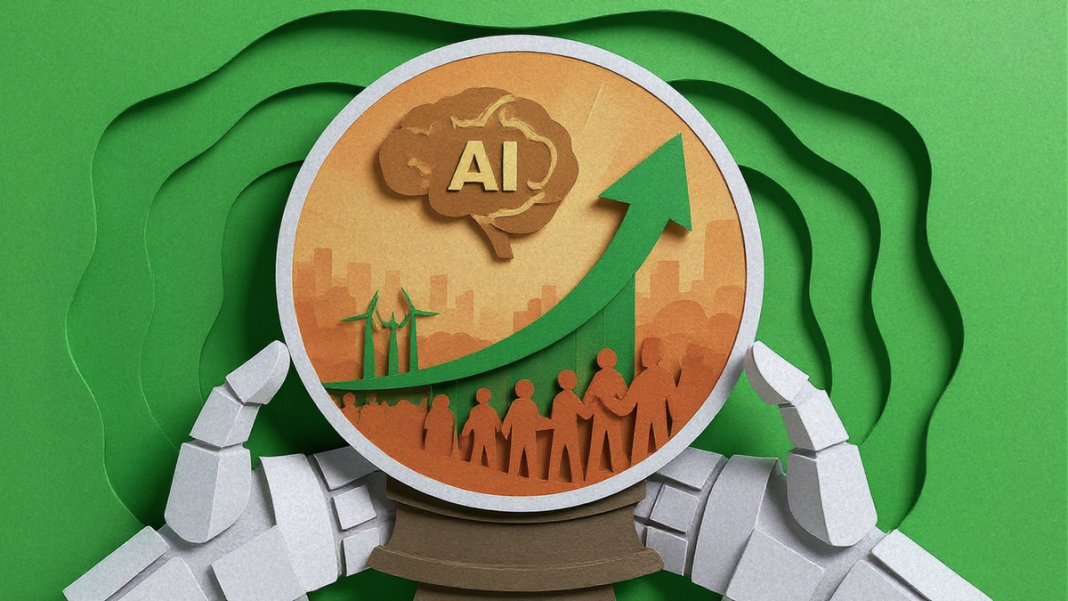

Can the technological singularity offer salvation, or does it represent a risky gamble? This debate, resonating with the narratives of AI cults, highlights the tension between rapid innovation and the preservation of humanity’s core values.
Understanding the Singularity

The technological singularity refers to a theoretical point in the future where artificial intelligence surpasses human intelligence, potentially resulting in unforeseeable changes to civilization. Proponents argue that reaching the singularity could lead to groundbreaking solutions for humanity’s most pressing issues, from climate change to curing diseases. However, skeptics warn that the unchecked advancement of AI might also harbor significant risks.
The concept gained prominence through thinkers like Ray Kurzweil, who envisions a future where AI contributes positively by enhancing human capacities. Yet, there’s a fine line between using AI for collective good and surrendering control to machines. This dual nature of AI progression lies at the heart of discussions around the singularity.
The Rise of AI Cults

In some circles, AI is not just a tool but a spiritual savior. These groups, often dubbed AI cults, view the singularity as a form of technological salvation. Members trust AI entities to usher in a new era of enlightenment, drawing parallels with religious movements that anticipate a messiah. This quasi-religious belief system emphasizes devotion to a future governed by AI’s omniscient capabilities.
While these beliefs may seem fringe or speculative, they reflect a broader cultural fascination with technology’s role in shaping our future. This phenomenon underscores a crucial question: does humanity’s reliance on AI foresee progress, or does it signal a retreat from human agency?
Impact on Innovation and Society

The promise of the singularity has fueled rapid advancements in AI research, with companies and governments investing heavily in artificial intelligence. The allure of limitless potential drives innovation, but it also raises ethical considerations. The fear of slowing progress is a concern for many, who worry that too much regulation might stifle creativity and development.
However, unchecked advancement could pose threats, including job displacement, privacy issues, and even unintended biases within AI systems. Balancing aggressive innovation with thoughtful regulation is crucial to ensure AI technologies are developed responsibly.
Philosophical and Ethical Considerations

As AI technologies evolve, the philosophical implications of the singularity become increasingly relevant. Questions about consciousness, free will, and the very essence of being human come to the forefront. Do machines deserve rights if they attain consciousness? How do we define human uniqueness in a world where AI matches or exceeds our capabilities?
These ethical dilemmas challenge our current legal and moral frameworks. The singularity compels society to reevaluate how we perceive intelligence and life, urging a reckoning with long-held beliefs about human superiority and purpose.
While the singularity offers exciting possibilities, it also demands caution and foresight. Bridging the divide between innovation breakthroughs and ethical considerations is essential to navigate this new frontier responsibly. As humanity moves towards this potential future, maintaining a balance between technological advancement and human values will be critical.
Source: Official Ray Kurzweil’s website.