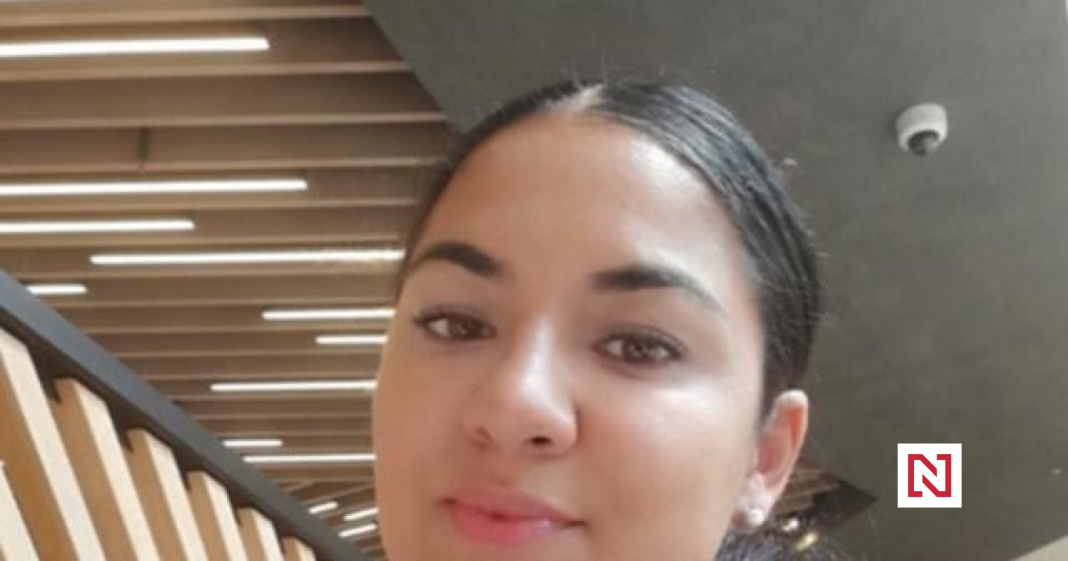

In the heart of Prague, a dedicated special educator is transforming perceptions about Roma communities and their relationship with education. Through innovative methods and a commitment to inclusivity, she’s demonstrating that educational success transcends cultural stereotypes.
Challenges Facing Roma Students
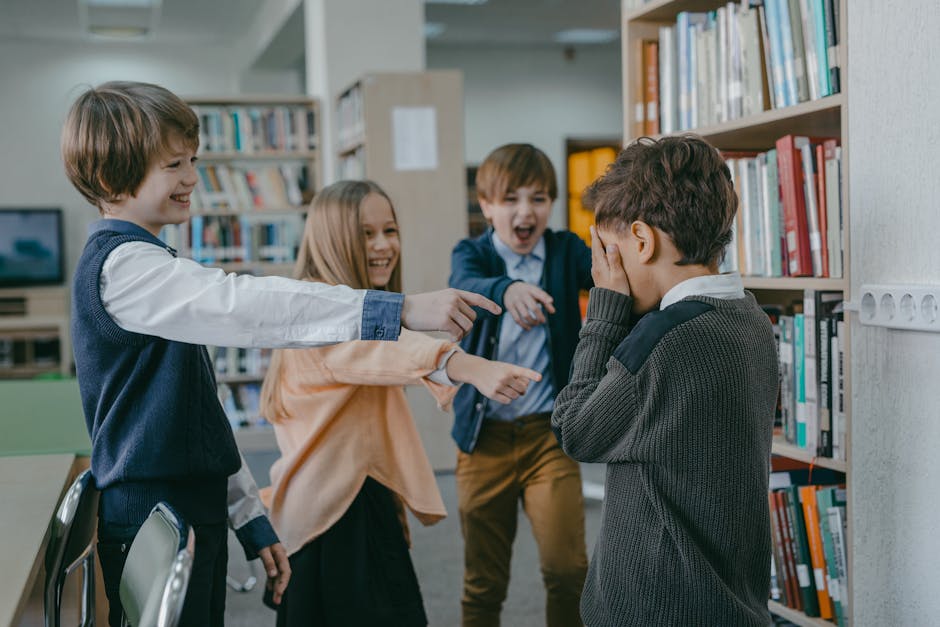
The Roma community has long faced systemic barriers in education. Discrimination, socioeconomic challenges, and linguistic differences are prevalent obstacles. Historically, these factors have marginalized Roma students, leading to lower enrollment rates and poor academic performance in mainstream schools. This educator, however, is proving that with the right support, Roma children can excel.
She acknowledges the unique challenges that Roma students face and advocates for a curriculum that respects and incorporates their cultural heritage. By doing so, she not only fosters a more engaging learning environment but also builds trust between students, their families, and the educational system.
Collaborations with local schools and NGOs are crucial to her strategy. These partnerships enable a more comprehensive support system, providing resources that help bridge the gap between cycles of poverty and educational attainment.
Innovative Teaching Techniques

One of the cornerstones of this educator’s approach is personalized learning. Recognizing the diverse capabilities and backgrounds of her students, she employs tailored teaching techniques that cater to individual learning styles. This includes interactive lessons that encourage participation, critical thinking, and collaboration among students.
Moreover, she integrates technology in her classes, using digital tools to create an inclusive environment where Roma students can thrive alongside their peers. This approach not only enhances engagement but also equips students with essential skills for the digital age.
Beyond the classroom, extracurricular activities are designed to build confidence and leadership skills. By exposing students to a variety of experiences, they become more resilient and prepared to face societal challenges.
Community Engagement and Support

The success of her programs hinges on active community engagement. Understanding that education involves the wider community, she regularly organizes workshops and seminars for parents and caretakers. These initiatives aim to dismantle prejudices while emphasizing the value of education.
Her efforts have fostered a sense of belonging and cooperation among the Roma families. This supportive network is critical in sustaining the educational progress of Roma students, as it nurtures a holistic growth environment.
The dialogues sparked by her initiatives also serve to educate the broader community about the Roma culture and challenges, promoting inclusivity and understanding at multiple societal levels.
Future Prospects and Wider Implications

The positive impact of her work extends far beyond individual success stories. It challenges policymakers to reconsider and redesign educational frameworks that currently fail minority communities. The teaching techniques and community measures she employs could potentially serve as a blueprint for similar initiatives across Europe.
Her dedication is paving the way for a generation of Roma individuals who are confident and equipped with the tools to pursue higher education and professional careers. By breaking down stereotypes and fostering acceptance, she is helping to create a more equitable society.
This educator’s story is a beacon of hope and inspiration, illustrating that with perseverance and innovative practices, education can become a powerful catalyst for change within marginalized communities.
In conclusion, the achievements of this special educator in Prague underscore the transformative power of inclusive education. Her work not only benefits Roma students but also enriches the cultural and social fabric of society at large.