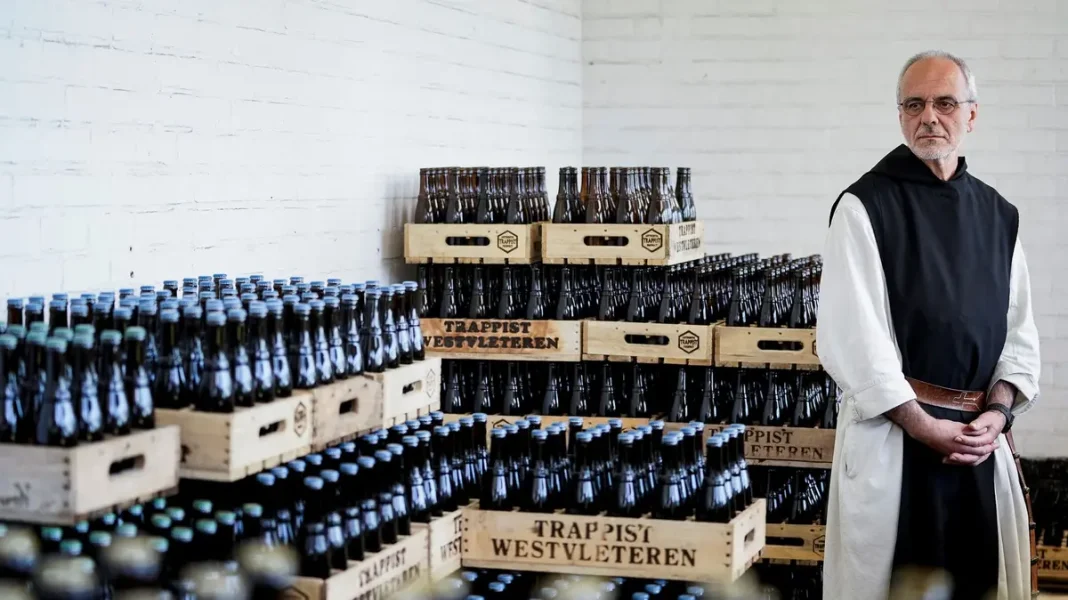

Belgian monks have been brewing beer for centuries, creating a rich tradition that combines spirituality and craft. However, this ancient practice is now facing challenges that threaten its continued existence.
Historical Roots of Monastic Brewing

The tradition of beer brewing by monks in Belgium dates back to the Middle Ages. Monasteries were key centers of brewing expertise, both for sustenance and commercial trade. The monks perfected their recipes, developing distinctive styles that remain popular to this day.
These monastic brews, known for their exceptional quality and unique flavors, were considered a divine art form. Monks viewed brewing as part of their spiritual duty, a way to support their community and provide hospitality to travelers.
However, over the centuries, the number of monastic breweries has dwindled. Although a few remain, they struggle to maintain their independence in a world that increasingly favors commercial mass-produced beers.
Challenges Facing Modern Monastic Breweries

The number of monks choosing the cloistered life has been declining, leading to a lack of new members to continue the brewing legacy. This demographic shift is one of the primary threats to the future of monastic brewing.
Moreover, economic pressures and competition from large brewing companies have made it difficult for the remaining monastic brewers to compete. The emphasis on profit margins and mass production has overshadowed the traditional artisanal methods preferred by the monks.
Efforts to preserve the tradition include modernization of equipment and marketing to appeal to a broader audience while maintaining the high standards and unique characteristics that define monastic beers.
The Brewing Process and Its Significance

The brewing process in these monasteries is steeped in tradition and meticulous craftsmanship. Monks follow age-old recipes, often refined over generations, using natural ingredients and time-tested methods.
Each monastery tends to produce its own unique beer, reflecting the resources available locally and the specific heritage of the order. This diversity has contributed to the rich tapestry of Belgian beer culture, with Trappist beers being among the most revered.
The significance of these traditional brews extends beyond the beverage itself; it represents a commitment to maintaining a cultural and spiritual legacy that has persisted despite numerous obstacles through the ages.
Efforts to Preserve the Tradition

Several initiatives have been implemented to ensure the survival of monastic brewing. These include partnerships with secular breweries, creating collaborative beers that help support the monastery’s financial health.
Erfgoedcel Kempens Karakter, a Flemish organization dedicated to preserving cultural heritage, has been instrumental in documenting and promoting the traditional brewing practices of Belgian monasteries. This has helped raise awareness and appreciation for these unique beers.
Additionally, tourism focused on these historic breweries offers visitors a glimpse into the monastic life and supports the continued operation of the breweries. Such efforts are vital in keeping the monastic brewing tradition alive for future generations.
In conclusion, the ancient art of monastic brewing in Belgium is under threat but not without hope. Through strategic partnerships, modernization, and cultural preservation initiatives, the enduring legacy of these brewing monks may yet persevere.
Source: Official Erfgoedcel Kempens Karakter website.