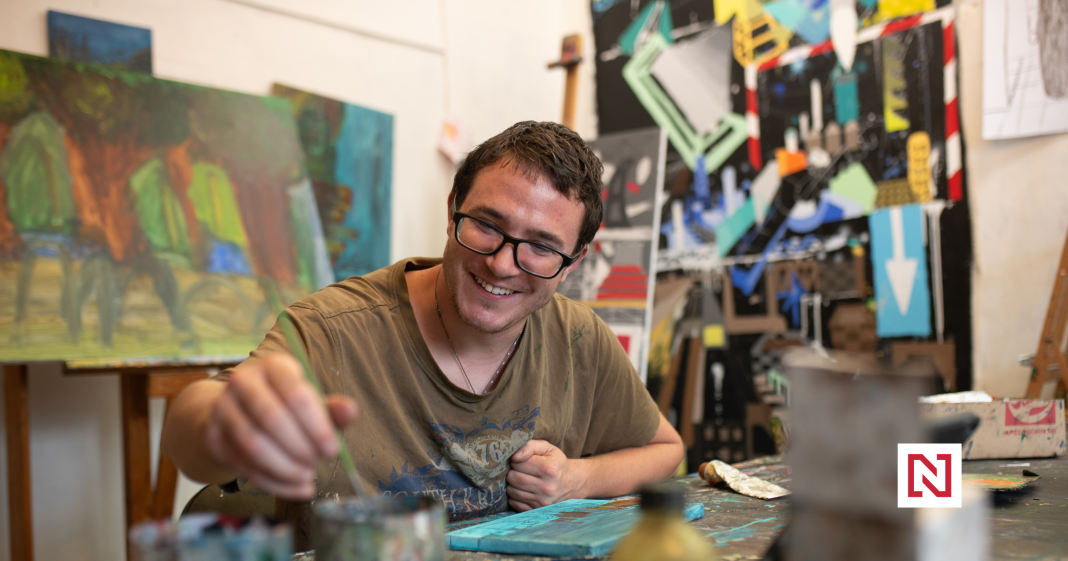

Art Brut, a movement celebrated for its raw and unpolished nature, transcends traditional methods and commercial motivations. This art form, rooted in necessity, often emerges from artists who create out of an inherent need, rather than for fame or financial gain.
The Essence of Art Brut

Art Brut, also known as “outsider art,” is characterized by its freedom from the conventional training and constraints that mainstream art embraces. The movement originated in the early 20th century, offering a voice to self-taught artists who prioritize expression over technique. Their works often reflect an untamed spirit and originality, distinguishing them from more polished and commercialized art forms.
Jean Dubuffet, a key figure in defining Art Brut, described it as art created outside the boundaries of official culture. This definition includes artworks from individuals with mental illness, psychical disabilities, or those marginalized by society. Dubuffet believed these raw works retain a purity and authenticity often lost in traditional art.
The emotional and personal narratives captured in Art Brut pieces provide a unique glimpse into the artist’s mind, offering audiences an unprecedented look at human experiences and emotions unfiltered by societal norms.
Art Brut in the Contemporary Scene

Despite its early origins, Art Brut continues to inspire contemporary artists who strive to create without the limitations of traditional training or the pressure of market demands. Many exhibits and museums around the world now highlight this genre, showcasing the powerful stories these artists tell through their work.
The increasing interest in Art Brut is partly due to a growing cultural appreciation for diverse perspectives and authenticity. Art enthusiasts and collectors alike are drawn to the visceral, often provocative pieces that challenge preconceived notions of what art should be.
In Prague, galleries have embraced this movement, hosting events and exhibitions to celebrate the mesmerizing appeal of Art Brut. These platforms not only provide exposure for the artists but also invite viewers to explore a broader definition of art.
Challenges and Cultural Impact

While Art Brut offers creators the freedom to express their most profound emotions, artists often face challenges in gaining recognition and support. The mainstream art market can overlook these unconventional pieces, resulting in financial hardships for many creators.
Nonetheless, institutions dedicated to preserving and promoting Art Brut have emerged, offering necessary support and opportunities for these artists to engage with wider audiences. Museums and art centers worldwide have established permanent collections and special exhibitions, ensuring these unique voices are heard.
The cultural impact of Art Brut is profound, as it encourages inclusivity and diversity within the art world. By valuing different modes of creativity, Art Brut challenges the hierarchy of traditional art forms and redefines cultural expressions.
The Future of Art Brut
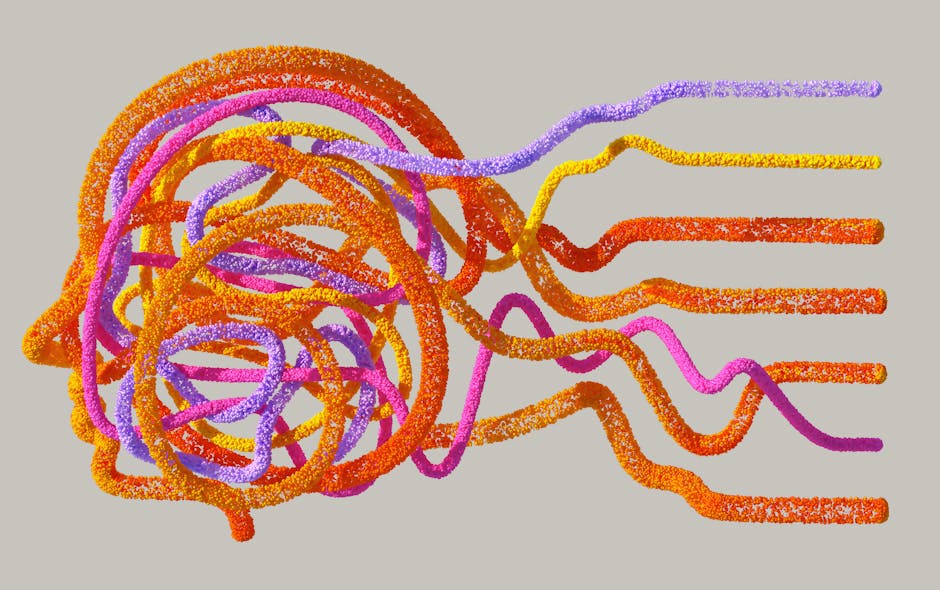
As society becomes increasingly open to non-traditional art forms, the future of Art Brut looks promising. The digital age has provided new avenues for artists to share their work, reaching global audiences without the need for gallery representation or formal exhibitions.
Collaborations between Art Brut artists and practitioners from other disciplines are also paving new pathways for creativity. These partnerships not only highlight the versatility and depth of Art Brut but also allow for the exchange of ideas and techniques across borders.
With continued support from art institutions and a growing appreciation from the public, Art Brut is poised to maintain its influence and appeal within the art world. The movement remains a testament to the power of creation driven by necessity and personal expression.
In conclusion, Art Brut stands as a vital and vibrant movement within the art world, challenging norms and celebrating the unrefined beauty of human creativity. Its impact is a reflection of the diverse, and often poignant, stories each artist brings to life.