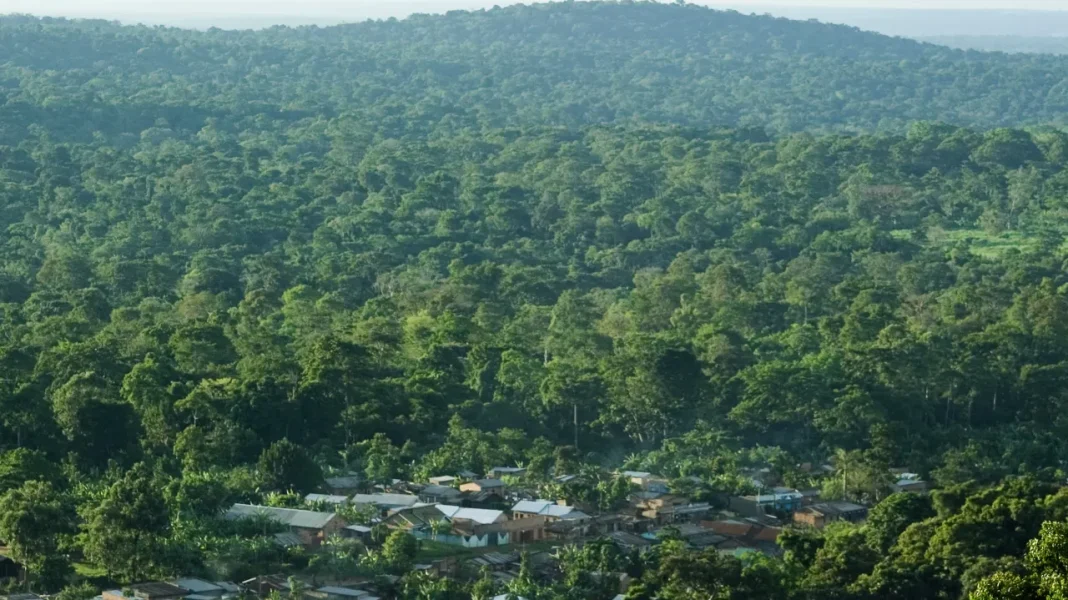

Recent research has revealed a concerning trend: African rainforests, once vital carbon sinks, are now releasing more carbon than they absorb. This shift has profound implications for global climate dynamics and necessitates urgent attention.
The Changing Role of African Rainforests

African rainforests have traditionally played a crucial role in balancing Earth’s carbon cycle. These lush ecosystems absorb carbon dioxide from the atmosphere, helping to mitigate the effects of climate change. However, studies indicate a dramatic change; they’re now emitting more carbon than they absorb. This phenomenon is attributed to several factors, including deforestation, forest degradation, and climate change-induced stress on these ecosystems.
Deforestation for agriculture and land development has significantly reduced the forest cover, leaving large swathes of land to become net carbon sources. Additionally, illegal logging and fire outbreaks further exacerbate the problem, releasing vast amounts of stored carbon back into the atmosphere.
Understanding the Causes Behind Carbon Emissions

The shift in African rainforests from carbon sinks to carbon sources is fueled by a combination of anthropogenic and natural causes. Human activities such as logging, agriculture expansion, and infrastructure development are primary drivers. These activities not only decrease forest cover but also weaken the resilience of these ecosystems.
Furthermore, climate change compounds these challenges. Rising temperatures and altered precipitation patterns contribute to increased tree mortality. As trees die and decompose, they release carbon, which previously would have been absorbed over centuries. This cycle accelerates with ongoing environmental changes.
Implications for Global Climate Efforts

The reversal of African rainforests’ role has significant implications for global climate goals. These ecosystems have been integral in absorbing nearly 20% of the world’s atmospheric carbon annually. Their diminished capacity means more carbon remains in the atmosphere, contributing to global warming.
This change also affects biodiversity and local communities who rely on forest resources. The loss of biodiversity can disrupt ecosystems, while communities face economic challenges as natural resources dwindle.
Strategies for Restoration and Mitigation

Addressing this crisis involves a multifaceted approach. Reforestation and afforestation projects are crucial. These efforts must be supported by strong policies that prevent illegal logging and promote sustainable land use practices. Local and international stakeholders need to collaborate to ensure these strategies are effectively implemented.
Additionally, supporting indigenous and local communities in conservation efforts can provide sustainable livelihoods while protecting the forests. Incorporating traditional knowledge and practices can enhance the resilience of forest ecosystems to withstand climate impacts.
The transition of African rainforests from carbon absorbers to emitters is a warning signal that must not be ignored. Immediate action is required to restore the balance and safeguard these vital ecosystems for future generations.