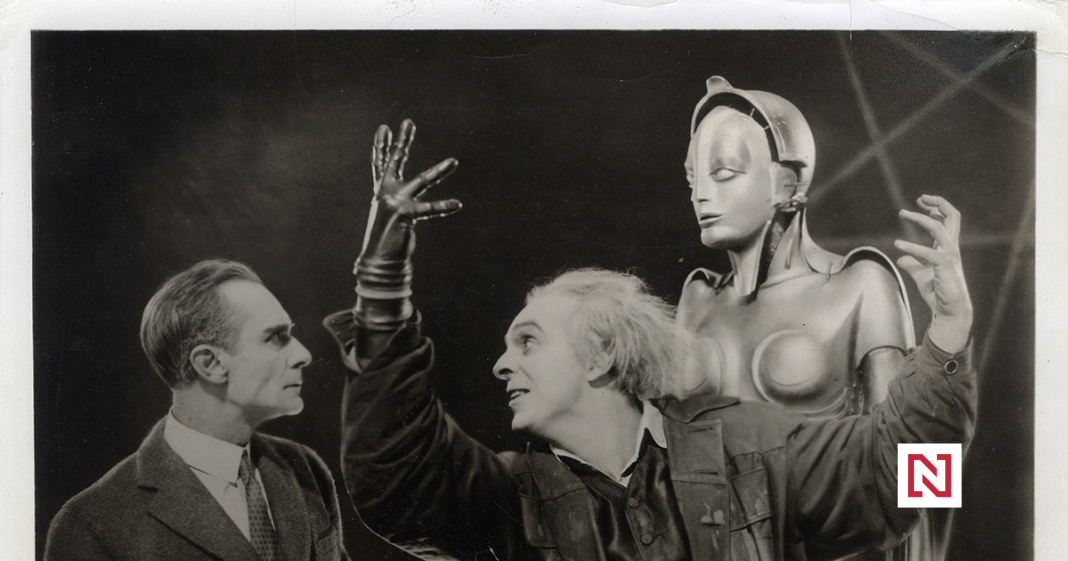

Fritz Lang’s 1927 film “Metropolis” initially fell short of audience expectations, but today, its portrayal of a dystopian future resonates eerily with modern concerns about artificial intelligence. While once seen as an overly ambitious depiction of societal struggle, the film’s narrative now serves as a potent allegory for the challenges posed by rapidly advancing AI technologies.
The Initial Reception of “Metropolis”

Upon its release, “Metropolis” was a commercial disappointment despite its groundbreaking visual effects and grandiose sets. Viewers found the film’s complex narrative challenging to follow, and its length was criticized. The film tells the story of a futuristic urban dystopia where a massive divide exists between the working class and the wealthy elite. Unfortunately, Lang’s ambitious project did not fully realize its potential in the eyes of early audiences and critics.
The film was edited multiple times following its release in an attempt to streamline its narrative, which resulted in the creation of several different versions. This editing process further complicated its reception, as important themes and plot elements were lost or altered. Despite these challenges, Lang’s vision planted the seeds for a renewed appreciation of “Metropolis” as time went on.
Redefining Dystopia in Light of AI

In recent years, “Metropolis” has been re-evaluated as a poignant critique of technology’s potential to increase social disparities. The film’s character Maria and her robotic counterpart serve as early representations of AI and how it can be used as a tool for control and manipulation. As modern AI continues to evolve, the ethical concerns depicted in “Metropolis” mirror current debates about its impact on labor markets, privacy, and autonomy.
Today, AI influences every aspect of modern life, from business to personal data privacy. Lang’s film foresaw a world where machines could redefine societal norms and displace human workers, an idea increasingly relevant as industries navigate automation and intelligent systems. This prophetic vision underscores the importance of ethical considerations in developing and deploying AI technologies.
Technological Ambitions and Their Consequences

The technological ambition seen in Lang’s “Metropolis” reflects an understanding of the double-edged sword that innovation can be. The towering skyscrapers and sprawling underground cities of the film symbolized not just progress but also the potential alienation and dehumanization technology might bring about.
In the context of AI, similar concerns arise regarding how technology might affect human relationships and interaction. While AI has the potential to vastly improve quality of life, it also brings about concerns over job displacement and the erosion of privacy. “Metropolis” serves as a cautionary tale, reminding modern audiences of the need to balance innovation with ethical responsibility.
Legacy and Continuing Influence

Fritz Lang’s influence extends beyond cinema, as “Metropolis” inspires discussions on future society and technology’s role within it. Its thematic elements profoundly impact science fiction and provoke thought on the implications of unchecked technological advancements. The film’s narrative structure and visual aesthetic have been echoed in countless works, reinforcing its enduring legacy.
Moreover, the message of “Metropolis” encourages today’s creators and thinkers to consider not only what technology can achieve but also what it might inadvertently alter. This ensures that the discourse surrounding AI remains multifaceted, incorporating ethical, social, and economic dimensions.
As AI technology continues to advance, “Metropolis” reminds us of the importance of reflection and action to ensure that the future it envisioned remains fictional. This classic film serves as an artistic benchmark for exploring the profound implications of technological progress in society.
Source: Official Fritz Lang website.