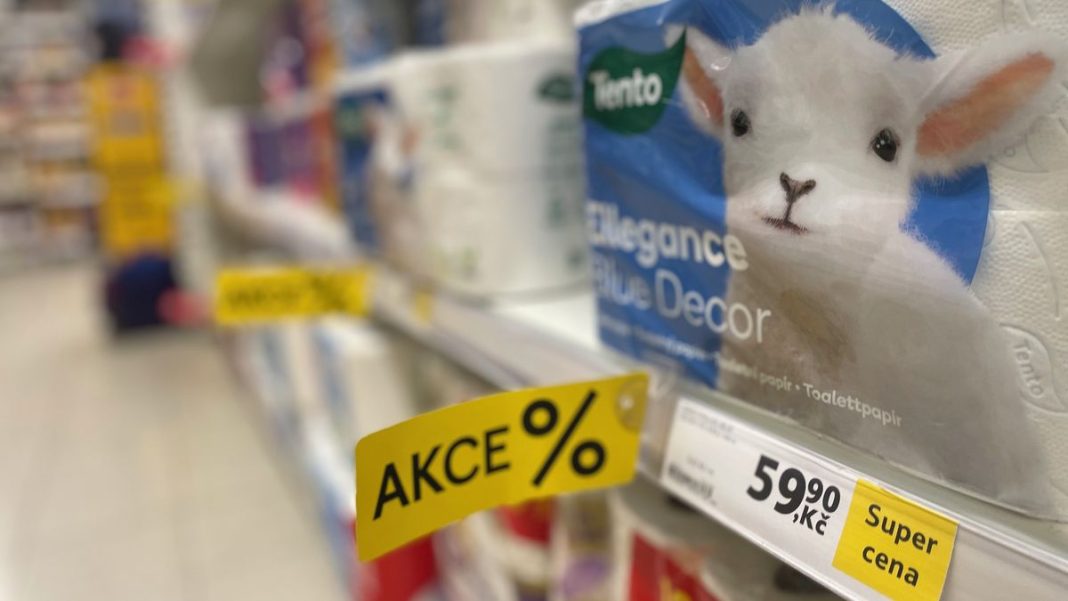

In recent years, shoppers in Prague and beyond have noticed a shift in supermarket advertising tactics. Instead of traditional discounts, stores are increasingly promoting so-called “super prices.” This trend raises questions about consumer transparency and whether these labels genuinely offer better deals.
The Rise of “Super Prices”

The term “super prices” has become a common fixture in supermarket advertisements. Unlike straightforward discounts, these prices are often presented without clear indications of the original prices, making it difficult for consumers to evaluate the extent of the savings. The flashy term is designed to capture attention and suggest a special offer, yet its true value compared to classic discounts is debatable.
Marketing experts believe that this trend is driven by psychological pricing strategies. By labeling something as “super,” retailers tap into consumer perceptions of value and urgency, encouraging impulse buying. However, the lack of transparency can lead to confusion and skepticism among consumers who are accustomed to seeing a percentage or amount directly deducted from the original price.
Consumer Perception and Skepticism

Consumers in Prague have mixed feelings about these marketing strategies. On the one hand, the allure of a “super price” can be enticing, drawing people to items they might not have otherwise considered. On the other hand, some shoppers express frustration at the lack of clear information, which can make them feel misled.
There is a growing demand for greater transparency in pricing. Some customers have begun to favor stores that maintain clear and honest discount practices, even if it means fewer flashy promotions. This trend is evident in the rise of consumer advocacy groups calling for standardized pricing regulations to ensure clear communication between retailers and customers.
Impact on Retailers and Competition

For supermarkets, the shift towards “super prices” is a tactical move in a highly competitive market. With numerous retailers vying for consumer attention, the onus is on them to find innovative ways to stand out. However, as more consumers become aware of these tactics, supermarkets may need to reassess their strategies to retain trust and loyalty.
Some retailers have responded by combining “super prices” with loyalty programs or exclusive offers for members. This approach allows them to provide genuine savings to customers while maintaining the appeal of their marketing terms. Nevertheless, the long-term effectiveness of such strategies remains to be seen as consumer awareness and preferences continue to evolve.
Looking to the Future

The future of supermarket pricing strategies is likely to be shaped by a balance between catchy marketing and transparency. As digital platforms and price comparison tools become more prevalent, consumers are empowered to make more informed decisions about where and how they shop.
Regulators might also play a role in addressing concerns around pricing transparency. Any potential legislation would need to address the fine line between creative advertising and consumer deception. Supermarkets, in turn, will need to navigate these changes carefully to maintain their competitive edge while ensuring customer trust.
Ultimately, while “super prices” might continue to be a feature in supermarket aisles, the demand for honest and transparent pricing is unlikely to wane. Businesses that can adapt to these consumer expectations may find themselves in a stronger position in the marketplace.