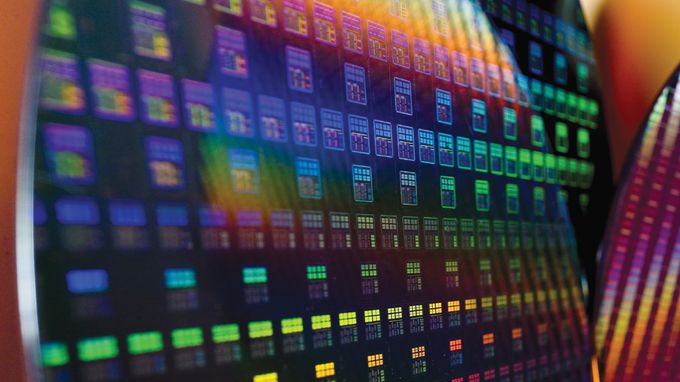

The United States and Taiwan have taken a significant step forward in trade relations by finalizing an agreement centered on the semiconductor sector. This move underscores the growing importance of technology industries within global trade dynamics.
Significance of the Trade Deal

This agreement marks a milestone in U.S.-Taiwan economic relations, demonstrating mutual commitment to strengthening supply chains for semiconductor technologies. Semiconductors are fundamental to numerous industries, from consumer electronics to automotive manufacturing, reinforcing the critical nature of this partnership. By securing this deal, both nations aim to enhance production capabilities and mitigate potential supply chain disruptions.
As global demand for semiconductors continues to rise, the agreement is anticipated to bolster market confidence and encourage investment. The collaboration between these two economies highlights their strategic priorities and shared interest in maintaining technological leadership and economic growth.
Impact on the Global Semiconductor Industry

The U.S. and Taiwan both play pivotal roles in the global semiconductor supply chain. Taiwan, home to some of the world’s leading semiconductor manufacturers, is a key player in meeting international demand. The United States, on the other hand, is a major consumer and innovator within the tech industry. This agreement ensures both extensive cooperation and sustained innovation.
Industry experts suggest that this trade deal will likely lead to reduced bottlenecks in semiconductor supply, offering a more stable market environment. It could also influence other tech and manufacturing hubs to reinforce their supply chain strategies, potentially leading to a ripple effect across the global tech landscape.
Regional and Economic Implications

The agreement is likely to have broader implications for regional alliances and economic strategies, especially in the Asia-Pacific region. It underscores Taiwan’s strategic importance, strengthening its economic ties not only with the United States but potentially with other allies concerned with technological advancement and security.
Economic analysts predict this agreement might encourage further bilateral and multilateral trade negotiations, fostering a more collaborative approach amidst geopolitical tensions. Moreover, it enhances Taiwan’s ability to assert its economic significance on the global stage.
Challenges and Opportunities

While the trade agreement presents lucrative opportunities, both parties face challenges in its execution. Ensuring the security of the semiconductor supply chain amidst global uncertainties remains a critical concern. Moreover, achieving the balance between competitiveness and cooperation will be crucial in avoiding market monopolies.
On the opportunity front, this deal opens avenues for joint research and development initiatives, promoting innovation in semiconductor technologies. By working together, the United States and Taiwan could lead efforts to address global tech challenges, such as advancing AI and 5G technology.
In summary, the U.S.-Taiwan trade agreement on semiconductors heralds a new chapter in international economic relations, reflecting a strategic alignment of interests. This landmark deal is set to impact the tech industry significantly, paving the way for enhanced cooperation and innovation in one of the world’s most vital sectors.
Source: Official U.S. Trade Representative website.