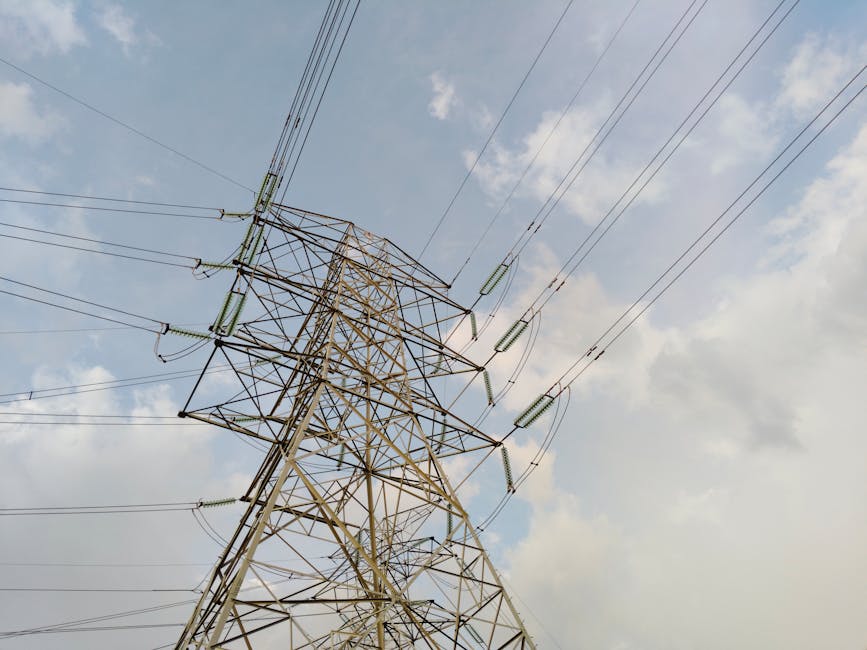

As cities grow and energy demands increase, shared electricity concepts are emerging as innovative solutions to create sustainable and efficient urban environments. The idea of community-driven power solutions has the potential to transform energy landscapes worldwide.
The Concept of Shared Electricity

Shared electricity refers to a system where individuals and businesses participate in generating, storing, and distributing electricity locally. This concept relies heavily on renewable resources like solar and wind power. By harnessing these resources collectively, communities can reduce dependency on traditional power grids and lower carbon footprints.
This approach is gaining traction in urban areas where space constraints and high energy costs pose significant challenges. Shared electricity allows communities to pool resources, ensuring efficient use and management of energy. This collaborative energy model can offer resilience, especially during power outages, by providing a decentralized energy backup.
Technological Advancements Enabling Community Power

The advancement of smart grid technologies has been pivotal in supporting the growth of shared electricity systems. These grids facilitate the integration of various power sources and allow for real-time monitoring of energy consumption and supply. By using IoT devices, communities can optimize energy use, leading to lower costs and enhanced reliability.
Battery storage solutions have also evolved, enabling more efficient storage and use of renewable energy. Shared battery systems can store energy generated during peak production periods and supply it during high-demand periods, ensuring a steady power supply. This technological synergy enhances the practicality and feasibility of shared electricity projects.
Economic and Environmental Benefits

The economic benefits of shared electricity are significant. By reducing grid dependency, communities can potentially lower electricity costs. Furthermore, participation in shared energy systems can generate financial returns through incentives and credits for renewable energy use, making it an attractive investment.
Environmentally, shared electricity promotes cleaner energy use, contributing to reduced greenhouse gas emissions. It encourages more sustainable urban living and aligns with global goals for reducing climate impact. Communities implementing shared electricity often see improved local air quality and a lower overall environmental footprint.
Challenges and Considerations

Despite its potential advantages, shared electricity systems face challenges such as regulatory hurdles and the need for substantial initial investments. Establishing a coordinated and fair pricing model that satisfies all participants is also crucial to ensure the system’s sustainability.
Additionally, ensuring data security and privacy in shared electricity networks is paramount. As these systems rely heavily on digital infrastructure, they must be protected against cyber threats to prevent disruptions and safeguard consumer information.
Shared electricity represents a promising step toward creating resilient and sustainable urban environments. By leveraging technological advancements and fostering community collaboration, cities can meet energy demands efficiently while minimizing environmental impact. This innovative approach not only addresses current energy challenges but also paves the way for future-ready urban living.