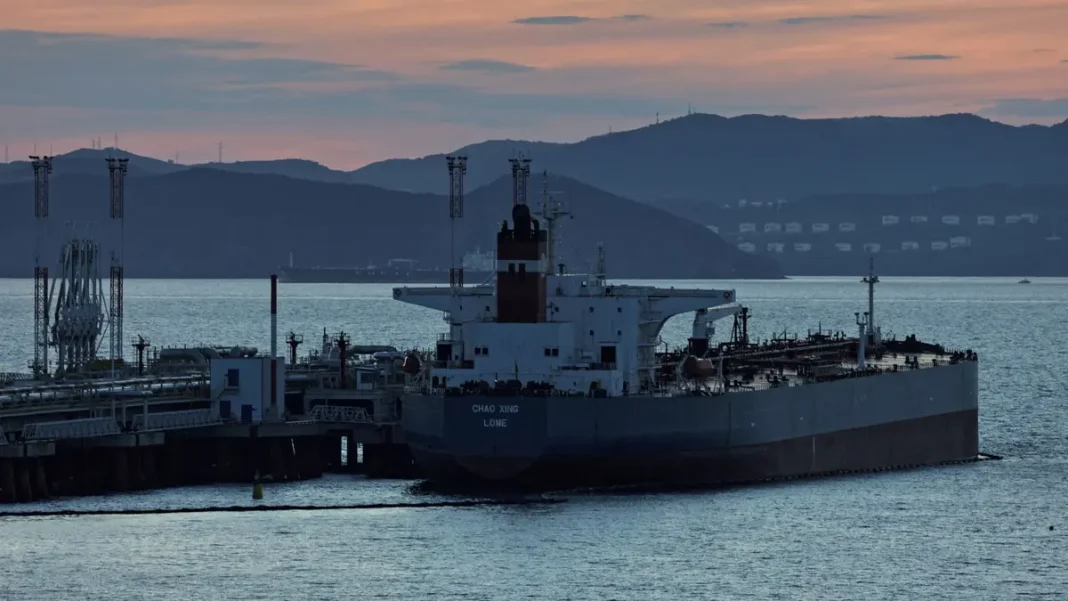

Russian oil tankers have been left adrift in Asian waters as demand from Indian buyers wanes. This shift in interest highlights changing dynamics in global oil markets as geopolitical tensions and economic factors influence trade routes and partnerships.
Declining Indian Interest in Russian Oil

India, once a substantial purchaser of Russian oil, has notably reduced its imports, affecting the movement and business of several Russian tankers. The reasons behind this decline include diversifying energy sources, fluctuating oil prices, and strategic economic policies aimed at enhancing energy security.
Additionally, international pressures and sanctions on Russian exports have made it increasingly challenging for traditional trade patterns to persist without disruptions. Consequently, India is exploring other suppliers, contributing to the congestion of Russian tankers in Asian waters.
Impact on Asian Waters

The presence of idle Russian tankers is not just a logistical issue but also an environmental concern. These vessels are often anchored for extended periods, raising potential risks, including pollution and maritime accidents. Regional maritime authorities are monitoring the situation closely to prevent environmental damage.
Moreover, the clogging of ports and shipping lanes by inactive tankers is disrupting normal maritime traffic, affecting regional trade and commerce. This situation necessitates a strategic response from both shipping companies and governments to mitigate the resulting economic and environmental challenges.
Global Oil Market Dynamics

The current drift of Russian oil tankers reflects broader shifts in the global oil markets. As countries reshuffle their energy policies in response to climate goals and international relations, traditional power balances are being redefined. Russia’s search for new markets is a direct consequence of these evolving dynamics.
The demand-supply equation in the oil industry is also under the influence of renewable energy investments and innovations, reducing reliance on fossil fuels. This trend is expected to continue, further influencing where and how oil trade is conducted globally.
Strategic Implications for Russia

For Russia, the reduction in demand from a key consumer like India represents a significant economic challenge. The country is compelled to pivot and identify new strategic partnerships to stabilize its oil export revenues. This includes negotiations with smaller, emerging economies or reinforcing trade agreements with existing allies.
Furthermore, the need for modernization in Russia’s oil export strategy is evident. Investing in infrastructure, improving tanker fleets, and enhancing diplomatic ties are crucial steps towards regaining a more stable footing in the global market.
In conclusion, the drift of Russian oil tankers in Asian waters underscores the intricacies of international trade amid changing geopolitical landscapes. As countries like India adjust their energy strategies, Russia must navigate these complexities to maintain its economic interests in the global oil industry.